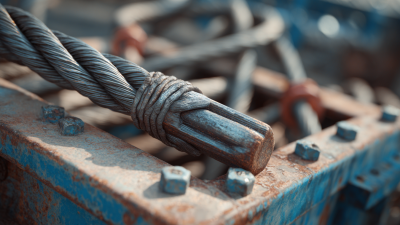
2025 Guide: How to Choose the Right Anchor Shackle for Maximum Load Capacity
When it comes to securing heavy loads in various applications, choosing the right equipment is crucial for safety and efficiency. One of the most essential components in this process is the anchor shackle. Understanding the significance of an anchor shackle is indispensable for anyone involved in lifting, rigging, or towing operations. In this comprehensive guide, we will explore the top ten factors to consider when selecting an anchor shackle to ensure you maximize load capacity and maintain safety standards.
Throughout this guide, we will provide insights into different materials, styles, and load ratings of anchor shackles, allowing you to make informed decisions tailored to your specific needs. From stainless steel options for corrosion resistance to the importance of proper sizing and locking mechanisms, each aspect plays a critical role in the overall performance of the anchor shackle. By the end of this article, you will be equipped with the knowledge required to choose anchor shackles that not only meet your loading requirements but also enhance the safety and reliability of your operations.
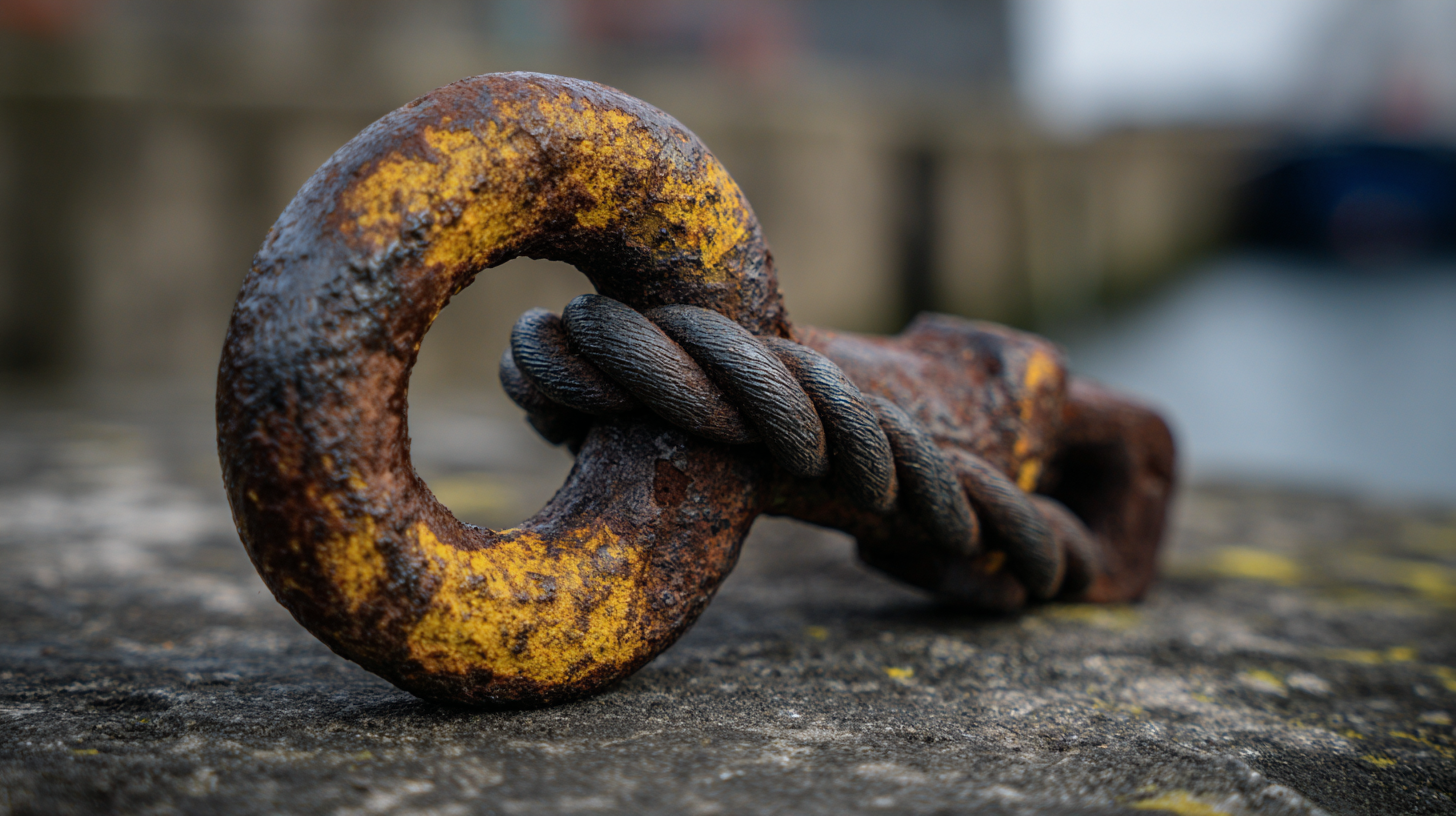
Understanding Load Capacity: What It Means for Anchor Shackles
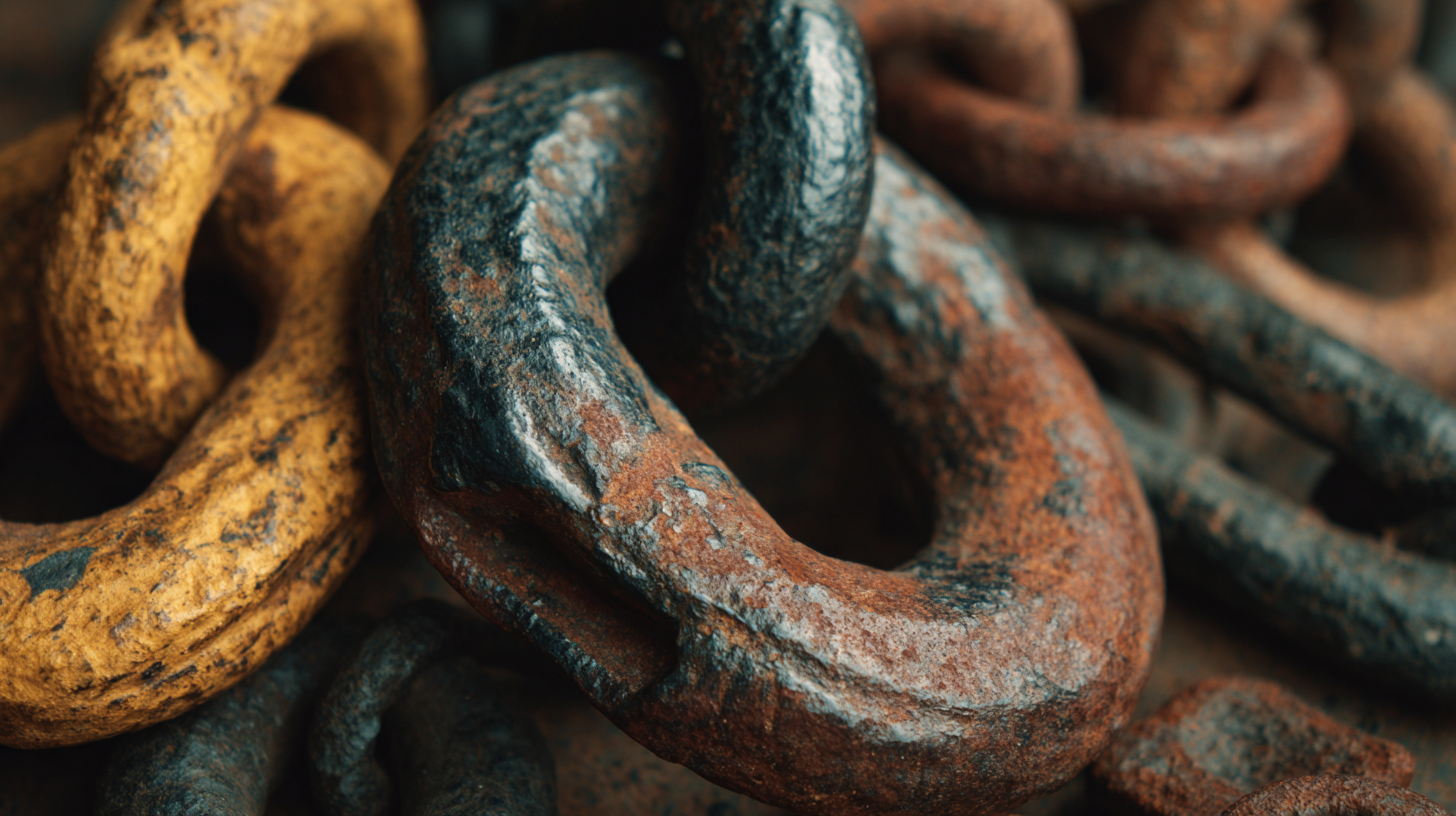 When selecting the right anchor shackle, understanding load capacity is crucial. Load capacity refers to the maximum weight an anchor shackle can safely handle without risking failure or deformation. According to industry standards, such as those set by the American National Standards Institute (ANSI), shackles should be selected based on their Working Load Limit (WLL), which often is calculated as a fraction of the shackle’s ultimate tensile strength. For instance, a shackle with a tensile strength of 20,000 lbs typically has a WLL of around 4,000 lbs, reflecting a safety factor of 5:1.
Tip: Always check the manufacturer's specifications for WLL and ensure that the shackle you select matches the working conditions and environment, such as potential corrosive influences.
Load capacity plays a vital role in applications ranging from marine anchoring to industrial lifting. The shackle material and design influence its durability and weight limit. Steel shackles are the most common due to their high strength-to-weight ratio, but when working with corrosive environments, stainless steel or galvanized options should be prioritized. A report from the International Organization for Standardization (ISO) indicates that nearly 30% of equipment failure incidents are attributable to improper selection of load-rated components.
Tip: Regularly inspect shackles for wear and deformation to maintain safety and performance levels.
Key Materials for Durable and Reliable Anchor Shackles
When selecting anchor shackles, one of the most critical aspects to consider is the material from which they are made. The durability and reliability of an anchor shackle are largely dependent on the material, which should withstand harsh marine environments and heavy loads. Common materials include stainless steel, carbon steel, and alloy steel. Stainless steel is renowned for its resistance to corrosion, making it ideal for saltwater applications. However, depending on the specific use, carbon steel might offer higher tensile strength, making it suitable for heavy lifting tasks but requiring protective coatings to combat rust.
In addition to corrosion resistance and tensile strength, the shackle’s material should also provide flexibility in design and function. For instance, alloy steel shackles combine strength with a lighter weight, offering advantages for applications where space and weight are critical factors. Additionally, users should consider the presence of certifications or standards that conform to industry regulations, ensuring that the shackles can handle their designated load capacities safely. By understanding the key properties of these materials, users can make informed choices that fit their operational needs, ensuring incredible performance and safety in their anchor systems.
Choosing the Right Size: Factors to Consider for Load Demands
When selecting the right anchor shackle, understanding the load demands is paramount. First and foremost, you need to assess the specific weights and forces that the shackle will encounter. Consider factors such as the type of load—whether it's static or dynamic—as this will influence the necessary capacity of the shackle. Always opt for a shackle that exceeds the expected load to maintain a safety margin, typically suggesting a working load limit (WLL) that is at least five times the maximum load.
In addition to weight, evaluate the environmental factors that may impact load capacity. Shackles are often subjected to harsh conditions, such as extreme temperatures, corrosive environments, or underwater use. Selecting a shackle made from suitable materials, like stainless steel or galvanised steel, can enhance durability. Furthermore, the size and shape of the shackle will also play a crucial role; a larger shackle can distribute force more effectively and reduce stress points, ultimately contributing to safer handling during load-bearing operations.
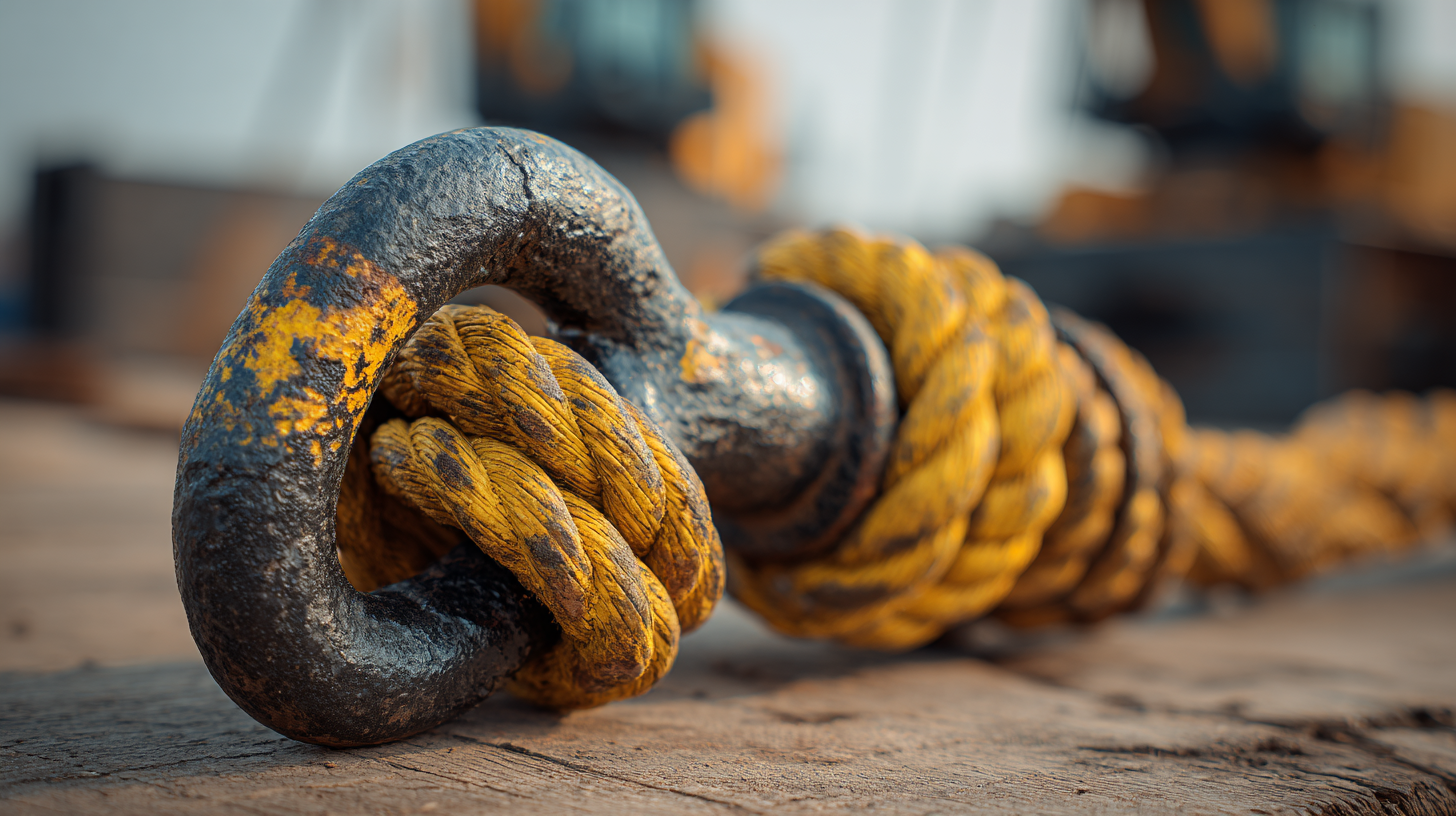
Top 5 Anchor Shackles of 2025: Features and Benefits Explained
When it comes to choosing the right anchor shackle for maximum load capacity in 2025, understanding the features and benefits of various options is essential. The top five anchor shackles on the market this year offer a range of innovations that cater to different needs. For instance, some shackles feature advanced materials that enhance strength without adding unnecessary weight, ideal for heavy-duty applications. Others are designed with quick-release mechanisms, making them user-friendly in critical situations.
Tip: When selecting an anchor shackle, always check for the manufacturer’s specifications regarding load limits and material quality. This ensures that you choose a product that meets safety standards and your specific requirements.
Another standout in 2025 is the introduction of shackles with corrosion-resistant coatings, which significantly extend the lifespan of the product in harsh environments. This is particularly important for marine applications where saltwater exposure is a concern. Additionally, some shackles now incorporate built-in locking mechanisms to prevent accidental openings, providing an extra layer of security during transport.
Tip: Consider the environment where the anchor shackle will be used; choosing the right coating can make a substantial difference in durability and performance.
Anchor Shackle Load Capacity Comparison (2025)
Installation and Maintenance Tips for Maximizing Load Capacity
When it comes to maximizing the load capacity of anchor shackles, proper installation is crucial. First and foremost, ensure that the shackle is compatible with the rigging gear you are using. Select shackles that are rated for the load you need to support, and conduct a visual inspection prior to installation. Pay attention to the pin orientation; it should align with the direction of the load to prevent bending and potential failure. Additionally, avoid over-tightening the shackle, as this can lead to strains and ultimately compromise its integrity.
Maintenance is equally important in ensuring the longevity and performance of your anchor shackle. Regularly inspect the shackles for any signs of wear, corrosion, or deformation. Clean the shackles after use, especially if they have been exposed to saltwater or harsh environments. Apply appropriate lubricants to the pin and threads to minimize friction and ease future use. Keeping a routine maintenance schedule will not only enhance the load capacity but also extend the lifespan of your anchoring equipment, ensuring safety in all operations.