Top 10 Benefits of Using Cable Support Nets for Safety?
In modern construction and safety practices, the significance of a Cable Support Net cannot be overstated. These innovative nets are designed to enhance safety in various environments. They can provide crucial support, especially in high-risk areas. The durable material of a Cable Support Net absorbs impacts and prevents falls effectively.
Using these nets can dramatically decrease accident rates. They act as a robust safety barrier, offering peace of mind to workers and managers alike. Imagine a construction site where workers might slip or drop tools. A well-placed Cable Support Net could catch these items, preventing injuries.
However, while the benefits are clear, there are aspects that need more attention. Regular inspections and maintenance are vital for optimal performance. Without proper care, even the best safety features can fail. It's essential to reflect on how we implement these nets and ensure their reliability. Safety should never be taken for granted, and a Cable Support Net is just one piece of a larger puzzle.
Benefits of Cable Support Nets in Construction Safety Management
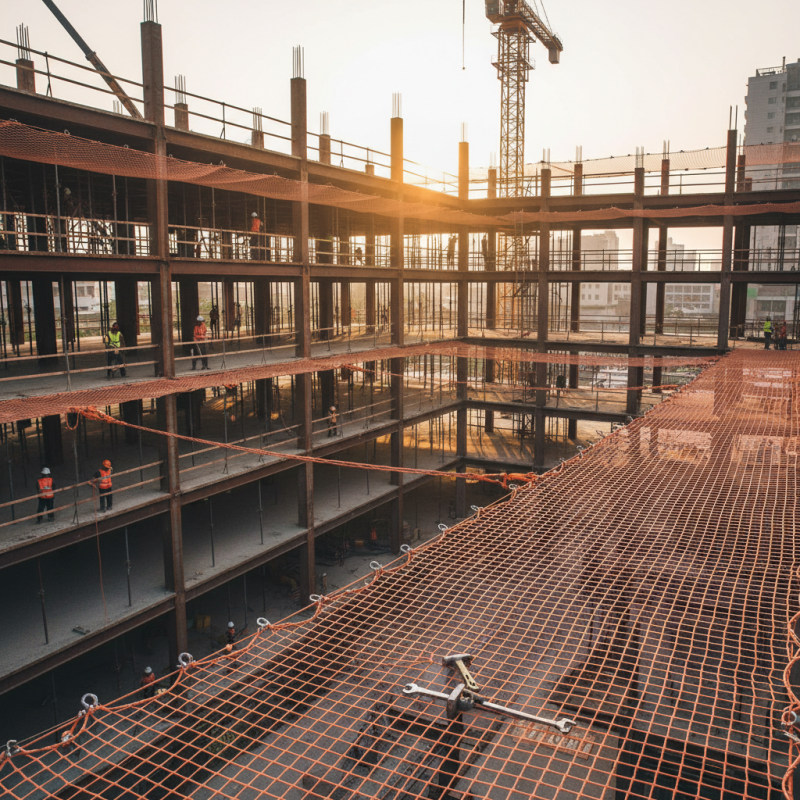
Cable support nets play a vital role in construction safety management.
They provide a reliable safety barrier, enabling workers to operate with more confidence. This helps to minimize fall-related injuries.
The nets are easy to install and can adapt to various site conditions.
When using cable support nets, it’s essential to check their integrity regularly.
Small tears or wear can undermine safety.
Ensure that the nets are correctly secured and tensioned.
Additionally, workers should be informed about the net’s limitations, knowing that it is not a replacement for proper safety gear.
Tips for using cable support nets include surveying the area before installation.
Look for potential hazards such as overhead power lines.
Proper maintenance is crucial for optimal performance.
Inspect the net after heavy use or adverse weather.
Continuous assessment will ensure the nets serve their purpose effectively.
Enhancing Worker Safety: Statistics on Fall Prevention with Cable Nets
Enhancing worker safety is crucial in high-risk industries. Falls account for nearly 35% of all workplace injuries, according to the Occupational Safety and Health Administration (OSHA). This statistic emphasizes the need for effective fall prevention solutions. Workers exposed to heights should have reliable systems in place to protect them.
Cable support nets provide a tangible solution. These nets absorb impact during falls, reducing injury severity. Studies have shown that using cable harness systems decreases fall-related incidents by up to 50%. This highlights the significance of investing in safety measures that not only protect workers but also enhance overall productivity.
Moreover, not all safety measures are foolproof. While cable nets show promise, they require regular inspection and maintenance. An overlooked tear or wear can lead to serious consequences. Workers must also be trained adequately on how to use these systems. Building a safety culture is essential, where every detail counts. Mistakes in setup or usage can negate the benefits of cable support nets.
Top 10 Benefits of Using Cable Support Nets for Safety
Cost-Efficiency: Analyzing the Economic Impact of Cable Support Nets
When it comes to safety in construction and industrial sites, cable support nets offer both protection and economic benefits. Their cost-efficiency is noticeable right from installation. Compared to traditional safety measures, cable support nets often require fewer resources and less time to set up. This not only reduces labor costs but also speeds up project timelines. A quicker installation process can help avoid delays that often cause budget overruns.
Maintenance costs are relatively low for cable support nets. Once in place, they require minimal upkeep while providing maximum protection. This aspect often goes unnoticed but is critical for long-term project planning. Yet, some projects overlook the need for regular inspections, which can lead to unforeseen expenses down the line. Another important point is that the durability of these nets plays a significant role in their overall cost-effectiveness. A well-made net can last many years, leading to savings on replacements.
However, it’s vital to consider the potential overspending on lower-quality materials for initial installations. This could result in higher costs later due to frequent replacements or accidents. In some cases, teams may underestimate the training required for proper installation. Investing time and resources initially can prevent wasted money and effort later. Overall, this balance of cost and safety is essential for any project manager to evaluate.
Durability and Longevity: Industry Standards for Cable Net Materials
Cable support nets are increasingly recognized for their durability and longevity. The materials used in these nets are designed to withstand harsh environmental conditions. For instance, high-quality cables resist corrosion and UV degradation. This ensures that they maintain their structural integrity over time.
However, not all cable nets are created equal. Some may fall short of industry standards, leading to questions about their effectiveness. Regular inspections are necessary to ensure that the nets function properly. Without these checks, wear and tear can go unnoticed, potentially compromising safety. Additionally, the installation process plays a significant role in durability. Poor installation can lead to early failure, highlighting the importance of skilled labor.
Choosing the right materials is crucial. While some options may seem cheaper initially, they could cost more in the long run due to frequent replacements. Investing in high-quality materials pays off, but it requires careful consideration. Reflecting on the decisions made during the selection process can prevent future frustrations. Balancing budget constraints with safety requirements is a challenge, yet it is vital for ensuring longevity.
Top 10 Benefits of Using Cable Support Nets for Safety
| Benefit |
Description |
Industry Standard Material |
Durability Rating (Years) |
Longevity Factors |
| Enhanced Safety |
Reduces the risk of accidents and injuries. |
Polyester |
10 |
UV resistance, low moisture absorption |
| Cost-Effective |
Reduces maintenance costs over time. |
Nylon |
12 |
Chemical resistance, lightweight |
| Versatility |
Applicable in various environments. |
Steel wire |
20 |
High tensile strength, corrosion-resistant |
| Ease of Installation |
Quick and straightforward setup process. |
Polypropylene |
8 |
Lightweight, high impact resistance |
| Visibility |
Allows for visibility in work areas. |
Mesh Netting |
15 |
Transparent design, high airflow |
| Load Distribution |
Evenly spreads weight and impact. |
Carbon Steel |
25 |
High strength, fatigue resistance |
| Weather Resistance |
Withstands various weather conditions. |
Synthetic Fibers |
10 |
Resistant to moisture damage |
| Regulatory Compliance |
Meets safety regulations and standards. |
ASTM Certified materials |
Varies |
Quality assurance processes |
| Aesthetic Appeal |
Enhances the look of safety installations. |
Colored Nylon |
12 |
Dye stability, variety of colors |
| Environmental Friendliness |
Some materials are recyclable. |
Biodegradable alternatives |
5 |
Sustainable sourcing practices |