What is the Best Bolt Type Shackle for Heavy Lifting?
When considering heavy lifting, selecting the best bolt type shackle is crucial. This component plays a vital role in ensuring safety and stability during operations. Bolt type shackles offer a higher degree of strength and reliability compared to other types. They are designed to handle heavy loads with ease, but their effectiveness relies on proper usage and maintenance.
Choosing the right size and load capacity is essential. Oversized shackles can lead to unnecessary weight, while undersized ones pose significant risks. Inspecting for wear and tear should be a routine practice. It’s important to focus on the material quality as well, since this will affect performance under stress.
Many users overlook these factors, leading to potential failures. Complacency can be detrimental. Relying solely on specifications is not enough; understanding each shackle's unique features can enhance safety. The complexity in usage highlights the need for deeper knowledge in selecting and maintaining bolt type shackles for heavy lifting applications.
Types of Bolt Shackle Designs Suitable for Heavy Lifting
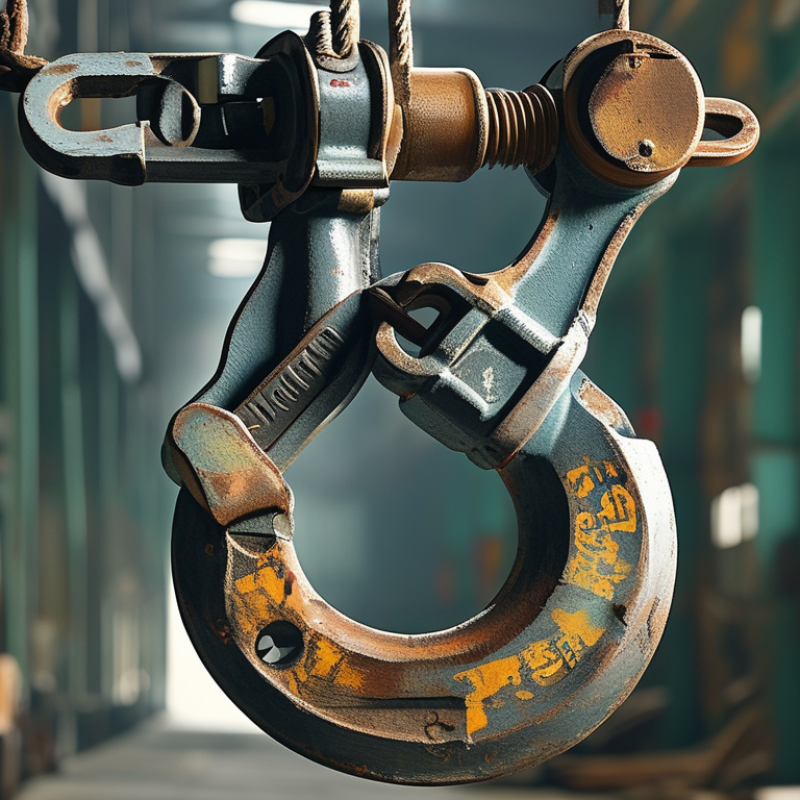
When selecting a bolt type shackle for heavy lifting, design variations play a critical role. There are various bolt shackle designs tailored for specific applications, each offering unique advantages. For instance, the screw pin shackle is commonly used due to its versatility and ease of use, but it may not be the best choice for high-stress environments. While many rely on the simple design, data shows that improper use can lead to a failure rate exceeding 25% in rigorous conditions.
Another design to consider is the safety shackle, which includes a locking mechanism. This feature enhances reliability, especially in dynamic lifting scenarios. A report from the Lifting Equipment Engineers Association (LEEA) indicates that shackle failures often stem from inadequate safety measures. The statistical data suggests a 40% reduction in incidents when using safety shackles versus traditional designs.
Moreover, the material composition of shackles affects their performance. High-strength steel offers excellent load capacity and resistance to wear, yet some users overlook signs of fatigue and corrosion. Regular inspection is vital, as nearly 30% of reported failures could have been prevented with better monitoring. Selecting the right bolt type shackle requires understanding these nuances, emphasizing the need for informed choices in heavy lifting operations.
Material Considerations for Heavy-Duty Bolt Shackles
When selecting bolt-type shackles for heavy lifting, material plays a crucial role. Commonly used materials include alloy steel and stainless steel. Alloy steel shackles offer high tensile strength, often exceeding 50 tons in capacity. Meanwhile, stainless steel options are preferred for their corrosion resistance. However, they may have lower load capacities.
According to industry reports, more than 70% of lifting failures can be traced back to inadequate gear material. Engineering studies reveal that poor material selection leads to fatigue failure under heavy loads. Users should be cautious, as not all shackles labeled "heavy-duty" meet the required standards.
Heat treatment is another aspect to consider. Properly heat-treated shackles maintain their strength and resistance to deformation. Industry standards suggest that a well-made shackle undergoes rigorous testing before use. This process ensures reliability, especially under excessive loads. While the choices may seem overwhelming, careful consideration of material and treatment can significantly improve safety in heavy lifting tasks.
Load Ratings and Their Importance in Heavy Lifting Applications
When it comes to heavy lifting, understanding load ratings is crucial. Load ratings indicate the maximum weight a piece of equipment can safely handle. For shackles, this rating ensures safety and efficiency in rigging operations. According to the American Society of Mechanical Engineers (ASME), proper load rating selection can prevent accidents. Loads exceeding rated capacities can lead to equipment failure.
Selecting the right bolt type shackle based on its load rating is essential. A common practice in many industries is to use shackles rated at least five times the anticipated load. For instance, if lifting a load of 10,000 pounds, a shackle with a rating of 50,000 pounds is ideal. However, some operators neglect this guideline, assuming higher ratings provide unnecessary cost.
Another consideration is the environment and conditions of use. Factors like corrosion, temperature, and shock loads can affect a shackle’s integrity. Research from the Occupational Safety and Health Administration (OSHA) highlights that improper assessments of these factors can lead to severe incidents. Regular inspections and maintenance are necessary to ensure that shackles maintain their load ratings over time. Following these practices increases safety and reliability in lifting operations, thus enhancing overall productivity.
What is the Best Bolt Type Shackle for Heavy Lifting? - Load Ratings and Their Importance in Heavy Lifting Applications
| Shackle Type |
Working Load Limit (WLL) |
Weight (lbs) |
Material |
Typical Applications |
| Bolt Type Shackle |
2,000 lbs |
0.75 |
Steel |
Light lifting, rigging |
| Heavy Duty Bolt Type Shackle |
5,000 lbs |
1.5 |
Stainless Steel |
Construction, mining |
| Ultra Heavy Duty Bolt Type Shackle |
10,000 lbs |
3.0 |
Alloy Steel |
Industrial lifting, offshore |
| Grade 8 Bolt Type Shackle |
15,000 lbs |
4.0 |
Carbon Steel |
Heavy machinery, transport |
Safety Features to Look for in Bolt Type Shackles
When selecting a bolt type shackle for heavy lifting, safety features are paramount. Look for shackles with a secure screw pin. This ensures that the load remains stable during transport. A well-designed locking mechanism enhances safety significantly. It reduces the risk of accidental release and protects the heavy loads being lifted.
Inspect the material used in the shackle. High-quality steel offers great durability and resistance to wear. Corrosion resistance is vital if the shackles will be exposed to harsh environments. Additionally, check for certification marks. These indicate compliance with safety standards, bolstering trust in the product's reliability.
Consider the load capacity and working load limit. Using a shackle beyond its limit is a common mistake. Always understand the specific demands of your lifting operations. An informed choice reflects experience and knowledge, offering a safer working environment. Look for user reviews as they provide insights into real-world performance. These reflections can guide your decision for safe and effective lifting solutions.
Best Practices for Using Bolt Type Shackles in Rigging Operations
Choosing the right bolt type shackle for heavy lifting is crucial.
Bolt type shackles provide enhanced security and stability. In rigging operations, proper usage is essential. Always visually inspect shackles before each lift. Look for wear, corrosion, or deformation. A damaged shackle can compromise the entire lifting operation.
Using a pin with the correct size is vital. An oversized or undersized pin can lead to failure. Ensure that the pin fits snugly, allowing for minimal movement. Also, consider the load limit. Never exceed the manufacturer's specifications. Doing so can put both workers and equipment at risk.
Maintaining shackles is just as important as selecting them. Clean them after each use to prevent rust. Store in a dry, secure location. Regular maintenance checks can help identify potential issues before they become serious.
Keep records of inspections and maintenance to ensure accountability. Proper care can extend the life of shackles and enhance safety.