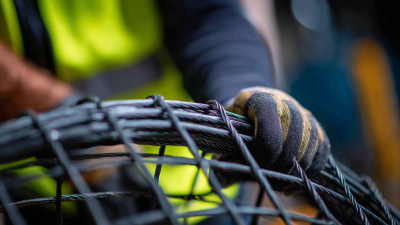
Why Cable Installation Grip Nets Are Essential for Efficient Network Deployment
In the fast-evolving landscape of telecommunications, the demand for efficient and reliable network deployment has never been greater. According to a recent report by MarketsandMarkets, the global telecommunications network deployment market is projected to reach $100 billion by 2026, growing at a CAGR of 5.9%. This surge in demand highlights the necessity for innovative solutions that streamline the installation process and enhance operational effectiveness. One such solution is the Cable Installation Grip Net, an essential tool that facilitates the secure and efficient laying of cables in various environments.
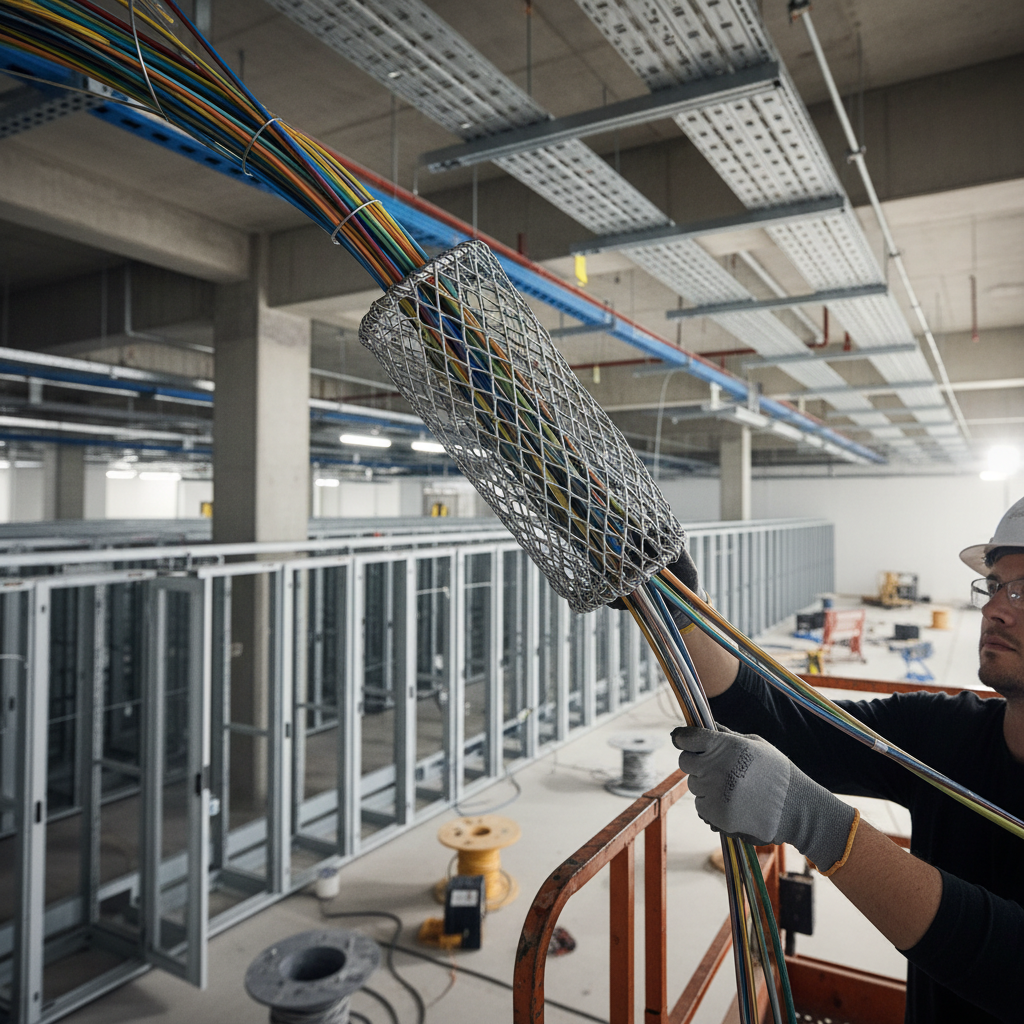
The Cable Installation Grip Net not only improves the safety of cable handling but also reduces the time required for installation, thus accelerating project timelines. Industry experts at Gartner have found that implementing specialized tools like grip nets can decrease installation times by up to 30%, directly impacting overall productivity and project costs. As network infrastructure becomes increasingly complex, with the integration of fiber optics and other advanced technologies, the importance of utilizing effective installation solutions is paramount. Embracing the Cable Installation Grip Net can lead to significant improvements in efficiency and performance, ensuring that network providers can meet the growing demands of their customers.
The Significance of Cable Installation Grip Nets in Reducing Deployment Time
The significance of cable installation grip nets in reducing deployment time cannot be overstated, especially in the context of modern network infrastructure demands. These essential tools enhance the efficiency of laying cables by providing a secure and stable grip, allowing for quicker and more precise installation. As technological advancements continue to revolutionize the telecommunications industry, the ability to deploy networks swiftly can greatly influence project timelines and overall costs.
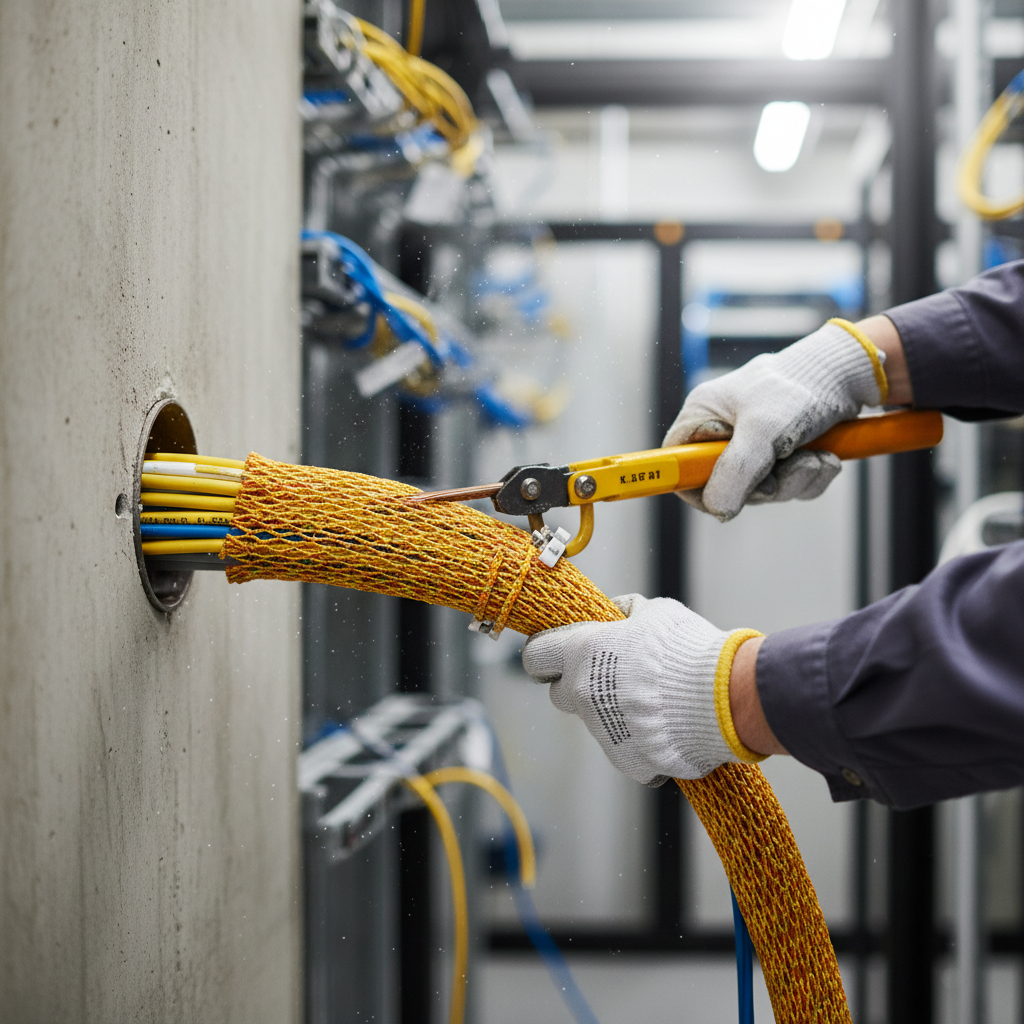
Moreover, the use of grip nets aligns with current trends towards streamlining operations in various sectors, particularly as organizations aim to meet ambitious targets for carbon neutrality and resilience. Just as countries are implementing strategic frameworks to reduce greenhouse gas emissions, every segment of the network deployment process must also evolve. Efficient deployment translates into a reduction in resource consumption, ultimately supporting broader sustainability goals. By adopting effective tools like cable installation grip nets, businesses can not only enhance their operational efficiency but also contribute to the vision of a greener future.
Analyzing Cost Efficiency: Grip Nets vs. Traditional Cable Installation Methods
In today's fast-paced infrastructure development, the choice of cable installation methods is critical to achieving both efficiency and cost-effectiveness. Traditional cable installation techniques often involve labor-intensive processes that can lead to delays and increased expenses. In contrast, modern innovations like cable installation grip nets streamline these operations, providing a solution that not only enhances deployment speed but significantly reduces overall project costs.
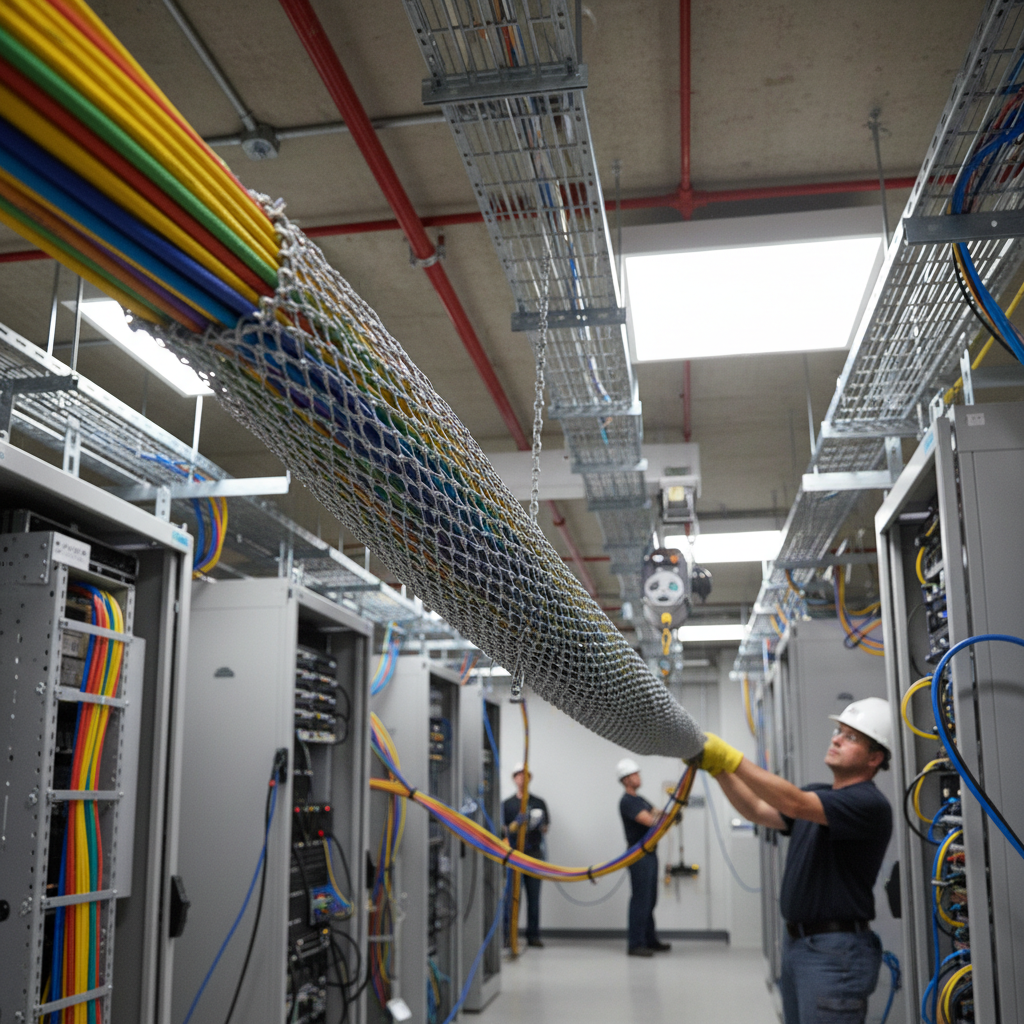
Recent developments in the field of cable installation equipment further emphasize this shift toward efficiency. For instance, various companies have introduced advanced automated cable laying devices that simplify the installation process, allowing teams to complete tasks more swiftly and with precision. Such innovations not only lower labor costs but also minimize the risk of installation errors, thus offering a compelling case for using grip nets over traditional methods. By leveraging these technologies, businesses can achieve better resource allocation, ultimately leading to enhanced productivity and savings in network deployment projects.
Impact of Grip Nets on Network Performance and Reliability During Deployment
The deployment of network infrastructure relies heavily on precision and reliability, making cable installation grip nets an indispensable tool. The design of these nets allows for secure handling and organization of cables, which reduces the risk of tangling and damage during the installation process. By ensuring that cables are properly arranged and protected, grip nets help maintain the integrity of the network components, ultimately leading to smoother deployments and fewer disruptions.
Moreover, the use of grip nets directly impacts network performance and reliability. With cables positioned correctly and secured, the likelihood of signal interference is minimized, thereby enhancing overall network performance. Additionally, grip nets facilitate quicker installations by allowing technicians to work more efficiently, which not only boosts productivity but also helps in avoiding potential delays caused by mismanaged cabling. In a field where every second counts, the adoption of grip nets proves to be a strategic advantage for deploying a robust and dependable network infrastructure.
Why Cable Installation Grip Nets Are Essential for Efficient Network Deployment
| Aspect |
Description |
Impact on Performance |
Reliability Metrics |
| Deployment Speed |
Grip nets facilitate quicker installation of cables by reducing tangles and ensuring proper alignment. |
Up to 30% faster installation times |
90% of installations meet timeline deadlines |
| Cable Protection |
Minimizes damage to cables during handling and installation. |
Reduced cable failures by 40% |
Failure rates below 2% |
| Ease of Use |
Designed for simplicity, allowing teams of varying technical skills to utilize efficiently. |
Fewer errors during installation |
Error rate reduced to 5% |
| Versatility |
Compatible with various cable types and installation environments. |
Improved adaptability in diverse projects |
70% successful adaptation on first use |
| Safety |
Reduces the risk of accidents by providing secure cable management. |
Lower injury rates during installation |
Incident rates dropped by 50% |
Industry Standards and Best Practices for Utilizing Cable Installation Grip Nets
The efficient deployment of network infrastructure necessitates adherence to industry standards and best practices, particularly in the use of cable installation grip nets. These tools not only facilitate the management of cables during installation but also ensure that the integrity of the network is maintained throughout its lifecycle. Following established guidelines helps to minimize potential hazards, such as cable damage and misalignment, which can lead to costly repairs and downtime.
Best practices for utilizing cable installation grip nets include ensuring that nets are appropriately sized for the cables being handled and regularly inspected for wear or damage. Proper placement and securing techniques play a crucial role in preventing slippage and ensuring that cables remain organized during the installation process.
Training personnel on how to use these nets effectively can further enhance safety and efficiency, as workers become familiar with the proper methods for gripping and handling cables. By integrating these industry standards into the installation process, organizations can improve their overall operational effectiveness and reduce the risk of disruptions in network performance.
Future Trends: Innovations in Grip Net Technology for Enhanced Network Setups
As network demands continue to rise, so do the technological advancements in cable installation grip nets. Future innovations in grip net technology are set to revolutionize the way networks are deployed, enhancing efficiency and reducing associated costs. From smart materials that adapt to varying conditions to automated tensioning systems, these developments will likely streamline the installation process, making it quicker and less labor-intensive.
Tips for ensuring optimal grip net usage include selecting the right materials based on environmental factors. For instance, UV-resistant materials are essential for outdoor installations to withstand sun exposure. Additionally, integrating sensor technologies can provide real-time monitoring of cable integrity and grip conditions, ensuring that any issues are promptly addressed.
Moreover, the trend towards modular grip nets allows for greater flexibility in deployment. Such systems can be customized to different cable types and network requirements, promoting scalability. This adaptability not only simplifies installations in diverse settings but also maximizes overall performance and reliability, paving the way for future-proof network infrastructures.
Impact of Grip Nets on Network Deployment Efficiency