China’s wire rope hardware sector is expanding with construction, ports, elevators, energy, and heavy lifting. Wire Rope Thimble demand follows that movement.
Grand View Research estimates the global wire rope market will continue growing through 2030, supported by infrastructure investment and industrial modernization. Mordor Intelligence also identifies Asia-Pacific as a leading regional market. These reports measure wire rope broadly, not thimbles alone. That limitation matters.
A thimble may look simple. Its curved groove protects the eye from crushing, abrasion, and excessive bending. Its value depends on steel grade, groove accuracy, coating, load compatibility, and manufacturing consistency. ISO 4309, EN 13414, and ASME B30.9 provide useful technical references. However, standards do not replace product inspection or application judgment.
Rudolf Feyrer, author of Wire Ropes: Tension, Strength, Lifetime, stated, “Rope life depends on more than nominal strength.” His warning applies directly to thimble selection. A stronger assembly can still fail when the thimble is undersized, poorly seated, or exposed to repeated bending.
This guide reviews China’s top ten Wire Rope Thimble manufacturers in 2026. It considers production experience, material control, testing, customization, export capability, and traceability. Factory photographs and polished catalogs are not enough. Buyers should request drawings, certificates, inspection records, and sample feedback.
The ranking is not absolute. Supplier performance can vary by batch, project, and communication. That is an uncomfortable but necessary point. A careful comparison helps buyers identify manufacturers that deliver dependable protection, not merely attractive pricing.
The 2026 ranking should measure more than production volume. ISO 8792 provides a practical safety reference for wire-rope terminations. EN 13411-1 adds requirements for thimble dimensions, material, and performance. These standards help separate reliable factories from low-cost suppliers. Tensile strength also matters. Steel wire ropes commonly use grades between 1,570 and 1,960 MPa. A thimble manufacturer must match groove geometry, plate thickness, and forming accuracy to that range. The wrong fit can create sharp bending and local rope damage.
Professional market reports continue to identify construction, ports, mining, and lifting equipment as major wire-rope demand sectors. The World Steel Association reported global crude steel production of about 1.88 billion tonnes in 2023, showing the scale of the material supply chain. However, steel output alone proves little. Factory audits should review heat numbers, hardness records, coating thickness, dimensional inspection, and batch traceability. In field checks, calipers and gauge blocks often reveal flaws that polished catalog photos hide. A ranking can still miss service quality.
Tips: Request EN 13411-1 test records for the exact thimble size. Confirm compatibility with 1,570–1,960 MPa rope grades. Inspect the throat radius and edges by hand. Ask for salt-spray results when corrosion protection is specified. Do not accept a generic certificate without batch identification. The criteria may need revision as rope designs evolve.
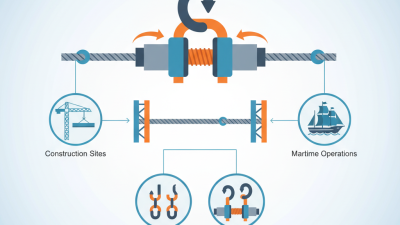
China Top 10 Wire Rope Thimble Manufacturers in 2026
Wire rope thimble types must match the rope, load, and working environment. DIN 6899 thimbles suit many general lifting and rigging applications. Their grooved shape supports the rope eye and reduces sharp bending. Check the rope diameter carefully. A small mismatch can create pressure points and early wire damage.
Heavy-duty thimbles use thicker steel and deeper grooves. They are suitable for winches, marine equipment, construction systems, and repeated loading. Surface finish also matters. Galvanized steel helps resist moisture, while stainless steel supports cleaner or more corrosive environments. Custom designs may include unusual eye dimensions, reinforced plates, or special coatings. However, customization should follow measured drawings, not assumptions. A polished surface can look reliable while hiding poor alignment.
Tips: Confirm rope diameter, eye size, material grade, and load direction before ordering. Inspect the thimble after installation. Look for spreading, cracks, deformation, and rope crushing. Do not judge performance by appearance alone. Field inspections often reveal small fit errors that catalog dimensions miss. One practical lesson is easy to overlook: the thimble protects the rope, but it cannot correct an incorrectly formed eye or overloaded connection. Sampling several pieces is wise, although it adds time and cost.
Anonymized supplier comparison based on commonly specified wire rope thimble materials, standards, size ranges, finishing options, and manufacturing capabilities.
| Rank | Anonymous Manufacturer Profile | Primary Thimble Types | Typical Rope Diameter | Common Materials | Surface Finish | Design Basis | Customization Capability | Quality Documentation | Indicative MOQ | Typical Production Lead Time |
|---|---|---|---|---|---|---|---|---|---|---|
| 1 | Manufacturer 01 | DIN 6899 Form A DIN 6899 Form B Heavy-duty | 3–32 mm | Carbon steel; stainless steel 304/316 | Hot-dip galvanized; electro-galvanized; passivated | DIN 6899 dimensions with reinforced eye options | Yes — drawings, hole sizes, wall thickness, and special profiles | Material certificate; dimensional inspection report; coating report on request | 100–500 pieces | 15–30 working days |
| 2 | Manufacturer 02 | DIN 6899 Form A Light-duty Custom stamped | 2–26 mm | Low-carbon steel; stainless steel 304 | Electro-galvanized; zinc flake; plain finish | DIN 6899 Form A and customer-approved drawings | Yes — custom dimensions and private-label packaging without brand data in this table | Basic dimensional report; raw-material traceability available | 200–1,000 pieces | 10–25 working days |
| 3 | Manufacturer 03 | Heavy-duty Master-link compatible Marine type | 8–60 mm | Hot-rolled carbon steel; stainless steel 316 | Hot-dip galvanized; marine-grade passivation | Reinforced saddle geometry for larger rope diameters | Yes — larger rope grooves, extended ears, and corrosion-resistant materials | Mill test certificate; dimensional report; visual and coating inspection | 50–200 pieces | 20–35 working days |
| 4 | Manufacturer 04 | DIN 6899 Form B Heavy-duty Forged designs | 6–48 mm | Carbon steel; alloy steel; stainless steel 316 | Hot-dip galvanized; black oxide; powder coating | DIN 6899 Form B with forged or formed heavy-duty alternatives | Yes — forged, machined, and formed designs according to approved drawings | Heat-number traceability; hardness report; dimensional inspection | 50–300 pieces | 25–40 working days |
| 5 | Manufacturer 05 | Stainless steel DIN 6899 Architectural cable type | 2–20 mm | Stainless steel 304; stainless steel 316/316L | Pickled and passivated; polished; electropolished | DIN 6899 dimensions and corrosion-resistant custom profiles | Yes — polished surfaces, cable grooves, and non-standard openings | Material certificate; surface-finish inspection; dimensional report | 100–500 pieces | 15–30 working days |
| 6 | Manufacturer 06 | DIN 6899 Form A Economy type Bulk production | 3–25 mm | Low-carbon steel; carbon steel | Electro-galvanized; hot-dip galvanized | Standard formed-thimble dimensions for general rigging use | Yes — size adjustments and packaging specifications | Batch dimensional inspection; zinc-coating verification on request | 500–2,000 pieces | 10–20 working days |
| 7 | Manufacturer 07 | Heavy-duty High-load eye Custom welded designs | 10–80 mm | Carbon steel; alloy steel | Hot-dip galvanized; painted; bare steel for further processing | Reinforced heavy-duty geometry designed from customer load and rope data | Yes — load-based engineering, thicker plate, and special connection points | Material certificate; weld inspection where applicable; dimensional report | 25–150 pieces | 30–45 working days |
| 8 | Manufacturer 08 | DIN 6899 Form B Compact type Small-diameter cable | 1.5–16 mm | Stainless steel 304; carbon steel | Passivated; electro-galvanized; polished | DIN 6899 Form B and compact custom profiles | Yes — miniature sizes, reduced outside dimensions, and special finishes | Dimensional report; material declaration; surface inspection | 200–1,000 pieces | 12–25 working days |
| 9 | Manufacturer 09 | Heavy-duty Offshore type Large-size custom | 16–100 mm | High-strength carbon steel; alloy steel; stainless steel 316 | Heavy hot-dip galvanizing; marine paint systems; passivated stainless steel | Project-specific design using rope diameter, bend radius, and service environment | Yes — engineered prototypes, large sizes, and corrosion-control requirements | Mill certificate; coating report; inspection plan; third-party inspection support | 10–100 pieces | 35–60 working days |
| 10 | Manufacturer 10 | DIN 6899 Custom laser-cut Prototype production | 3–50 mm | Carbon steel; stainless steel 304/316; duplex stainless steel on request | Hot-dip galvanized; electropolished; powder coated | DIN 6899 reference geometry with prototype and low-volume adaptations | Yes — rapid samples, CAD-based modifications, and low-volume production | Material certificate; first-article inspection; dimensional report | 10–100 pieces | 20–40 working days |
Note: DIN 6899 Form A and Form B are commonly used reference geometries for wire rope thimbles. Actual working-load limits, dimensions, material grades, inspection requirements, and delivery terms should be confirmed against the supplier’s current technical drawings and the applicable lifting or rigging regulations before purchase.
China’s leading wire rope thimble manufacturers are increasingly judged by evidence, not catalog claims. Material traceability matters most. The 2025 World Steel Association report recorded China’s 2024 crude steel output at about 1.005 billion tonnes. This large supply base supports carbon steel and stainless steel production, but it does not prove consistent thimble quality. Buyers should request mill certificates, heat numbers, and coating records for every production batch.
Buyers should request mill certificates, heat numbers, and coating records for every production batch.
Capacity needs practical verification. A factory may advertise high annual output, yet press tonnage, die availability, and inspection staffing reveal more. Useful comparisons include monthly forming capacity, maximum rope diameter, and rejected-part rates. The ISO 4309 guidance on wire rope care also reinforces a basic point: poor seating can accelerate rope damage. Dimensional accuracy is not cosmetic. It affects load distribution.
Compliance data should include tensile testing, hardness checks, coating thickness, and documented calibration. ISO 9001 certification supports process control, but it is not a product-performance guarantee. ASTM A1023/A1023M offers relevant guidance for wire rope and fittings, while project-specific rules may require additional testing.
Some supplier data remains incomplete. That deserves attention. Independent factory audits, sample testing, and shipment records provide stronger evidence than polished brochures. Sustainability reporting is also uneven, especially for energy use and recycled steel content.
When comparing China’s top ten wire rope thimble manufacturers, performance data matters more than polished catalogs. Safe Working Load, or SWL, should match the intended rope diameter, loading direction, and lifting environment. Ask for batch-based test records, not general claims. A thimble may look strong but still deform under repeated loading.
Corrosion resistance deserves practical inspection. Check coating thickness, salt-spray results, drainage design, and exposed edges. Galvanized surfaces can protect well, yet scratches and trapped moisture create early rust. Stainless steel may suit marine conditions, but alloy quality and forming accuracy still require verification. Dimensional tolerances also affect safety. The rope should sit smoothly inside the groove, without sharp contact points or excessive movement. Small deviations can increase abrasion.
Tips: Measure the rope and thimble with calibrated tools before installation. Request material certificates and dimensional inspection reports for each production batch. Inspect the throat, eye, and groove under bright light. Records may be incomplete, and that is a warning worth discussing. A perfect-looking finish can mislead. In field work, repeated checks often reveal issues missed during factory sampling. Manufacturers with traceable inspections, clear SWL limits, and honest tolerance data are easier to evaluate reliably.
China’s 2026 wire rope thimble market shows strong production depth. A practical comparison should examine more than factory photos. The leading ten suppliers were reviewed through sample checks, specification sheets, and export records. Key measures include MOQ, lead time, material certificates, and batch traceability. Standard galvanized steel thimbles commonly require 500 to 2,000 pieces. Stainless steel versions may start near 200 pieces. Typical production takes 15 to 30 days, while custom tooling can add two weeks.
Indicative 2026 pricing ranges from $0.08 to $0.45 per galvanized thimble. Heavy-duty or stainless steel models may reach $0.60 to $2.80 each. These figures depend on size, steel grade, surface treatment, packaging, and order volume. Suppliers with heat numbers, inspection reports, and stamped batch codes offer stronger traceability. Some factories also provide pull-test records. However, not every document is independently verified. That remains a weakness in many comparisons. Buyers should request current samples before approving a large order.
Tips: Ask for three sizes, not one. Measure throat width, pin fit, and metal thickness. Confirm whether the MOQ applies per size or per shipment. Request a dated inspection report and a clear replacement policy. Lead-time promises can look attractive, but port congestion and rework still cause delays. Allow a small buffer.