How to Choose the Best Stainless Steel Cord Grip for Your Project
Choosing the best Stainless Steel Cord Grip for your project can be a daunting task. The market is filled with options, all claiming to be the best. According to industry expert James Carter, "Selecting the right stainless steel cord grip can determine the success of your project." His words highlight the complexity involved in making the right choice.
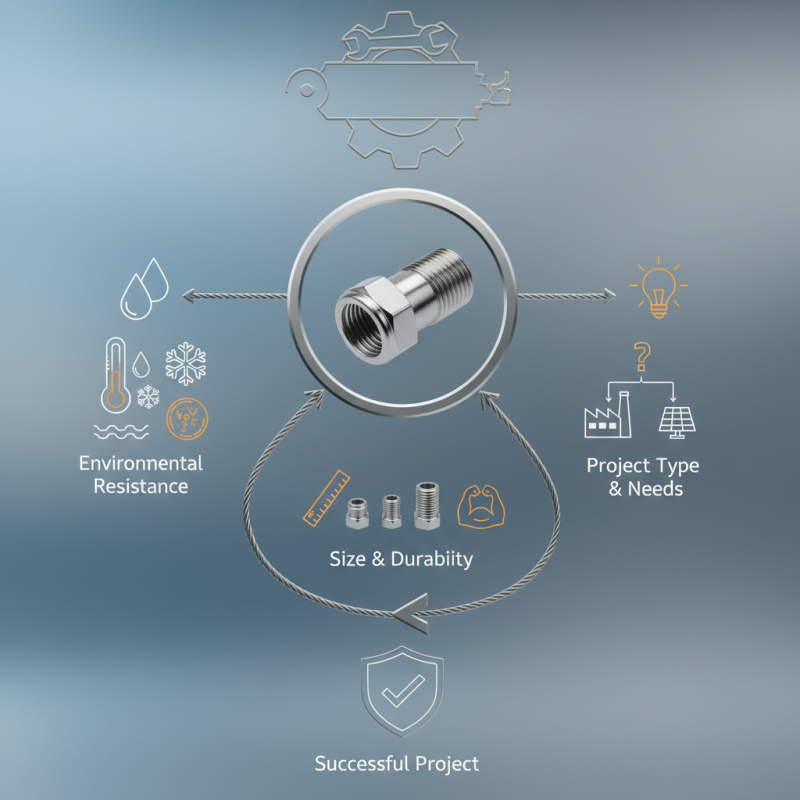
In this process, you must consider multiple factors. The size, durability, and environmental resistance of the Stainless Steel Cord Grip are crucial. An improper selection may lead to costly failures. Every project is unique, and what works for one may not work for another. This is where personal needs come into play.
It’s essential to think critically about your requirements. Are you working in a wet environment? Is corrosion a concern? If you overlook these factors, your chosen grip might not perform well. Taking the time to reflect on these details can save you from future headaches. Making a careful selection is not just important; it’s a necessity.
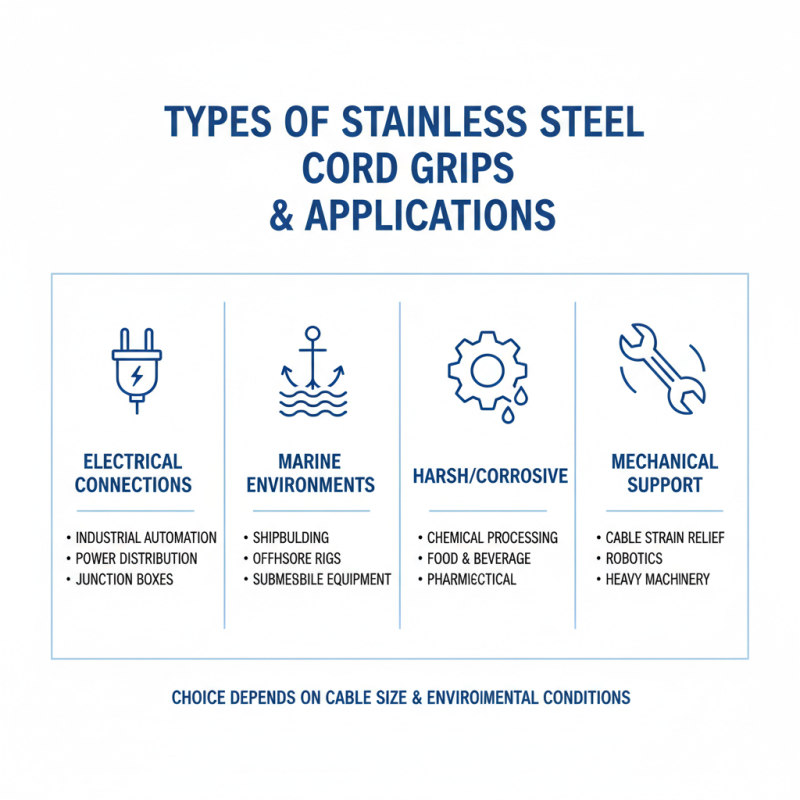
Types of Stainless Steel Cord Grips and Their Applications
When selecting a stainless steel cord grip, it's essential to understand the different types available. There are various designs, each tailored for specific applications. For example, some grips are suited for electrical connections, while others excel in marine environments. The choice often depends on factors like cable size and environmental conditions.
Another crucial aspect to consider is the installation complexity. Some cord grips are easier to install than others. If you're inexperienced, you might find some designs frustrating. Consider your skill level before making a decision. Think about the tools you have on hand too; they can significantly impact your project’s progress.
Lastly, pay attention to the material's corrosion resistance. Not all stainless steel is created equal. Marine-grade options may offer better durability in harsh conditions. This can save time and resources in the long run. However, constantly evaluating your options is necessary. It’s easy to overlook details, leading to mistakes down the line. Always reflect on the requirements of your specific project.
Key Factors to Consider When Choosing a Cord Grip
When choosing a stainless steel cord grip for your project, several key factors come into play. Material quality is crucial. Ensure the stainless steel is rust-resistant, especially if exposed to moisture. The design of the grip should allow for easy installation and secure attachment. Look for options that support the cable size you plan to use, as a mismatch can lead to issues.
Durability is another important aspect. A good cord grip should withstand wear and tear. Check for features like strain relief to prevent damage to the cable. Pay attention to the grip's rating. Some grips are rated for specific environments or temperatures, influencing their effectiveness.
It's easy to overlook small details, but these matter greatly. Consider the weight of the project and how much support the cord grip needs to provide. Keep in mind the aesthetic as well; sometimes, functionality conflicts with design. Reflect on your project's specific requirements to find the best fit. Don't rush—take your time to evaluate different options.
How to Choose the Best Stainless Steel Cord Grip for Your Project - Key Factors to Consider When Choosing a Cord Grip
| Key Factor |
Description |
Considerations |
| Material |
The type of stainless steel used in the cord grip. |
Look for corrosion-resistant materials like 304 or 316 stainless steel. |
| Size |
The diameter of the cable or cord it will accommodate. |
Ensure the grip can fit the specific thickness of your cord. |
| Load Capacity |
The maximum weight the cord grip can safely handle. |
Select a grip that exceeds your project’s weight requirements. |
| Ingress Protection Rating |
The rating of the cord grip against dust and moisture. |
Choose a grip with a higher IP rating for outdoor or wet environments. |
| Ease of Installation |
How simple it is to install the cord grip to your setup. |
Look for designs that require minimal tools and effort. |
| Price |
The cost of the cord grip. |
Balance quality with budget; avoid overly cheap options that may fail. |
Understanding Load Ratings and Size Specifications
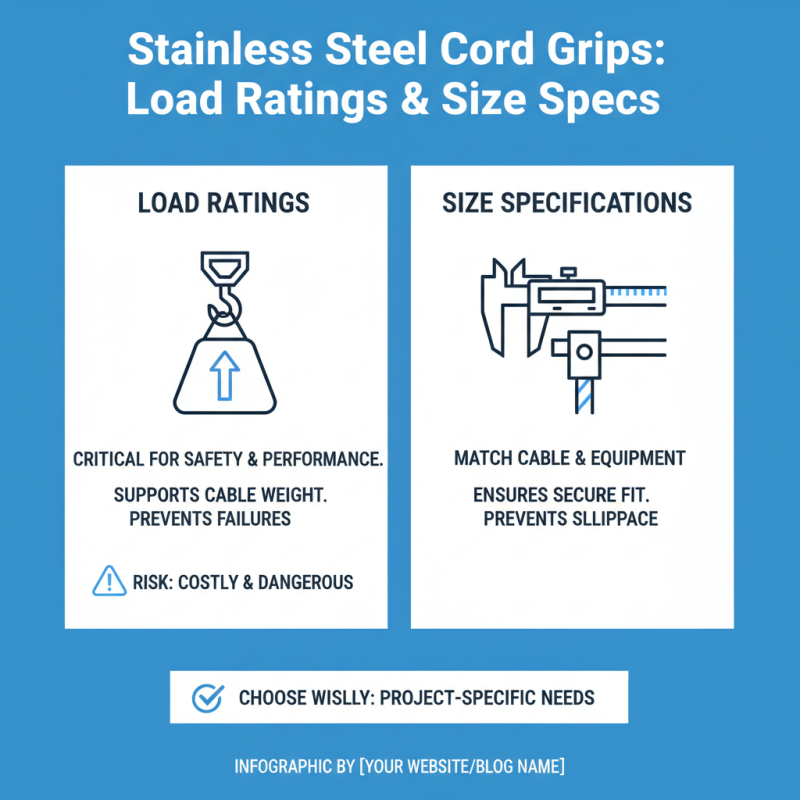
Choosing the right stainless steel cord grip involves understanding load ratings and size specifications. Each project has unique demands. You may overlook the load rating, thinking it’s just a minor detail. However, using a grip that cannot support your project's weight can lead to failures. This creates risks that can be costly and dangerous.
When selecting a grip, pay attention to size specifications. A grip too large will not hold securely, while one that’s too small may break. These mismatches happen often. It's easy to assume one size fits all, but this is not the case. Measure your cords accurately before making a choice. Remember that the grip needs to securely accommodate the cord's diameter.
Assessing your project's requirements is key. You might realize that the grip you initially chose isn't ideal. Feedback from past projects can help inform your decision. Don’t ignore the importance of testing the grip under load. Sometimes, what appears right doesn’t perform as expected. Always prioritize safety and reliability in your selection process.
Installation Tips for Stainless Steel Cord Grips
When installing stainless steel cord grips, precision is crucial. Aligning the grip with the wire ensures a secure connection. According to industry data, improper installation can lead to a failure rate of up to 15%. Key tools like a torque wrench can help achieve the right tightness. Regularly check connections for any signs of wear or fatigue.
Choosing the right cord grip size matters. A report by the National Electrical Manufacturers Association states that 70% of installation issues arise from incorrect sizing. Ensure the grip is neither too tight nor too loose. A loose fit can compromise safety. The material quality also influences performance. Properly grade stainless steel resists corrosion and enhances durability.
Installation can be tricky. Beginners might overlook small details, leading to major problems. Take time to read the instructions thoroughly. Adjustments may take longer, but they are worth it. Rushed work often leads to reinstallation. It’s important to recognize that even experienced installers can make mistakes. Always focus on maintaining industry standards to ensure the best outcomes.
Stainless Steel Cord Grip Selection Criteria
This chart illustrates the importance rating of various criteria when selecting a stainless steel cord grip for your project. The ratings range from 1 to 10, where a higher number indicates greater importance in the selection process.
Maintenance and Care for Longevity of Cord Grips
Proper maintenance is crucial for the longevity of stainless steel cord grips. Regular inspections can help identify wear and tear. Look for signs of rust or corrosion, even on stainless steel. Keeping the area around the cord grip clean is essential. Debris can accumulate and cause problems over time.
Lubrication is another key aspect of care. Using the right type of lubricant can prolong the life of cord grips. However, it’s important to avoid over-lubrication, which can attract dirt. Store cord grips in controlled environments to minimize exposure to harsh conditions.
Sometimes, despite careful maintenance, issues arise. Inspect the cord grips after severe weather or exposure to chemicals. Don't hesitate to replace a grip that's showing signs of stress. We tend to overlook the small components in projects, but in this case, the cord grip plays a vital role. Regular attention and proactive measures will ensure that the grips remain functional.