How to Choose the Right Wire Rope Shackle for Your Needs?
When choosing a Wire Rope Shackle, several factors come into play. The right shackle ensures safety and efficiency in lifting tasks. Wire rope rigging applications require careful consideration of load capacity, material, and design.
Select a shackle that matches your specific needs. For instance, galvanization can enhance corrosion resistance. However, not all environments require such features. Sometimes, a simple design could suffice, but does it truly meet your standards?
Also, pay attention to the working load limit (WLL). Choosing incorrectly can lead to failures. Reflect on your requirements before making a selection. A well-informed decision can save time, resources, and avoid accidents in the field.
Understanding the Different Types of Wire Rope Shackles
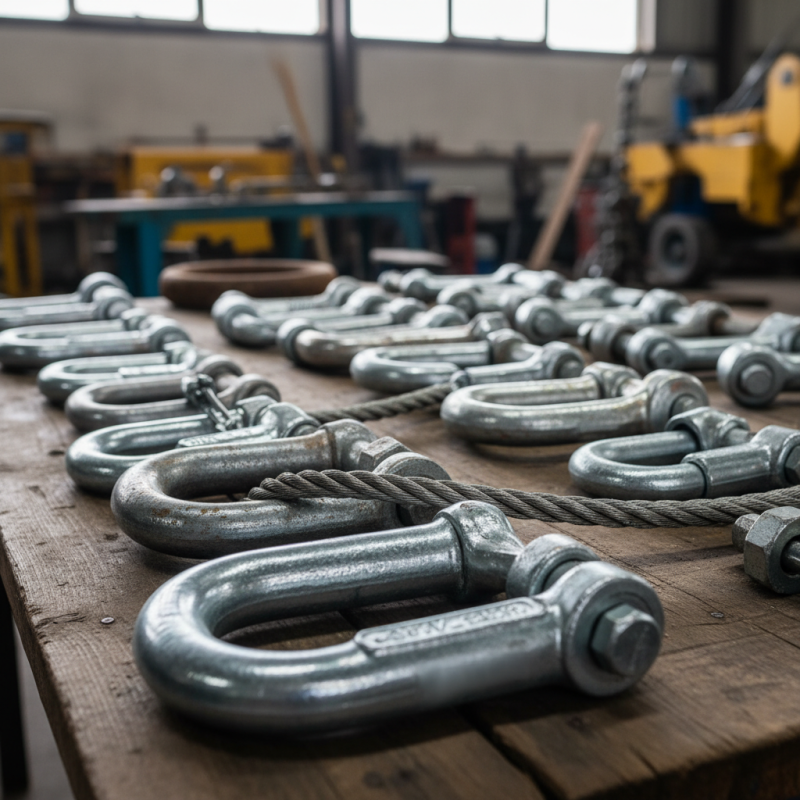
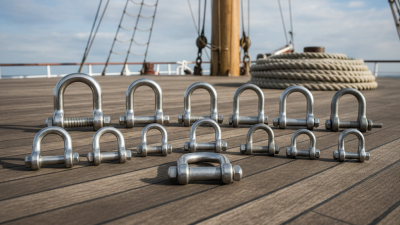
When choosing a wire rope shackle, understanding the different types can be crucial. Wire rope shackles come in several configurations, such as D-shackles and Bow shackles. The D-shackle is known for its strength and efficiency, making it a popular choice in industries like construction and marine operations. A report by the American Society of Mechanical Engineers indicates that D-shackles can handle loads varying from 5,000 to over 60,000 pounds, depending on their size.
Bow shackles, on the other hand, offer a wider working load limit. They provide more flexibility in the rigging setup. According to industry standards, this type is often preferred when multiple connections are needed. A survey revealed that 72% of rigging professionals recommended bow shackles for heavy lifting applications. Despite their advantages, both types require careful inspection and maintenance. Corrosion and wear can compromise their integrity, leading to potential safety hazards.
It's important to note that not all wire rope shackles are designed equally. Factors like material, working load limit, and connection types play an essential role. Many users overlook these details, which can lead to choosing an unsuitable shackle. In some cases, mismatched shackles have caused failures in lifting operations, emphasizing the need for thorough evaluation.
Wire Rope Shackle Types and Their Load Capacities
Factors to Consider When Selecting a Wire Rope Shackle
When selecting a wire rope shackle, several factors must be taken into account. The load capacity is crucial. Always check the manufacturer’s specifications. This ensures safety during heavy lifting. The size of the shackle also matters. A shackle that is too small may break under pressure. Conversely, an oversized shackle might be cumbersome to use.
Material plays a significant role in your choice. Stainless steel offers durability and corrosion resistance. However, it may come at a higher cost. Consider your environment too. Outdoor projects demand weather-resistant options. Additionally, pay attention to the shackle’s design. The pin type, whether screw or bolt, impacts ease of use. Some designs may allow for quick attachment and detachment, while others may require more effort.
It’s easy to overlook individual project needs. For example, a shackle used in a marine setting will face different challenges compared to industrial use. Regular assessments of the shackle’s performance may reveal wear and tear. Missing this could lead to dangerous situations. Reflect on these details before making a decision. They can be the difference between a successful lift and a potential hazard.
How to Choose the Right Wire Rope Shackle for Your Needs?
| Factor |
Description |
Recommendation |
| Load Capacity |
The maximum load the shackle can handle safely. |
Choose a shackle with a load capacity exceeding your maximum expected load. |
| Material |
The type of material used in the shackle affects strength and corrosion resistance. |
Consider stainless steel for harsh environments or galvanized steel for regular conditions. |
| Shackle Type |
Different designs (D, bow, etc.) serve varied applications. |
Select based on your rigging requirements - D shackles for direct loads, bow for multiple connections. |
| Pin Type |
The mechanism used to secure the shackle pin can impact safety. |
Check for screw pin or bolt type; screw pins are easier for quick connections. |
| Certification |
Certifications ensure the shackle meets industry standards. |
Opt for shackles with appropriate certification marks, like ASTM or CE. |
| Application |
Specific use cases may dictate the type and design of the shackle. |
Identify your application (lifting, towing) to select the correct shackle. |
Evaluating Load Capacity and Safety Ratings
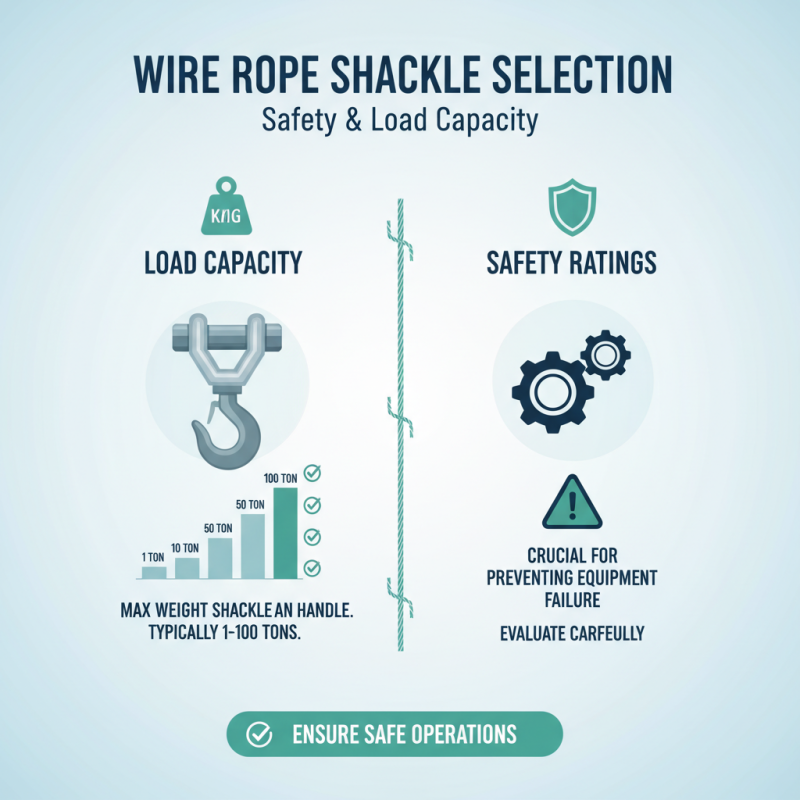
When selecting a wire rope shackle, evaluating load capacity and safety ratings is crucial. Load capacity measures the maximum weight a shackle can safely handle. Typically, shackles are rated from 1 to 100 tons. A thorough understanding of these ratings helps prevent equipment failure.
Safety ratings indicate the shackle's reliability. A shackle with a safety factor of at least five is ideal. This means the shackle can support five times its rated load. According to industry standards, a shackle's safety factor should never drop below four. Many users neglect these details, leading to potential risks.
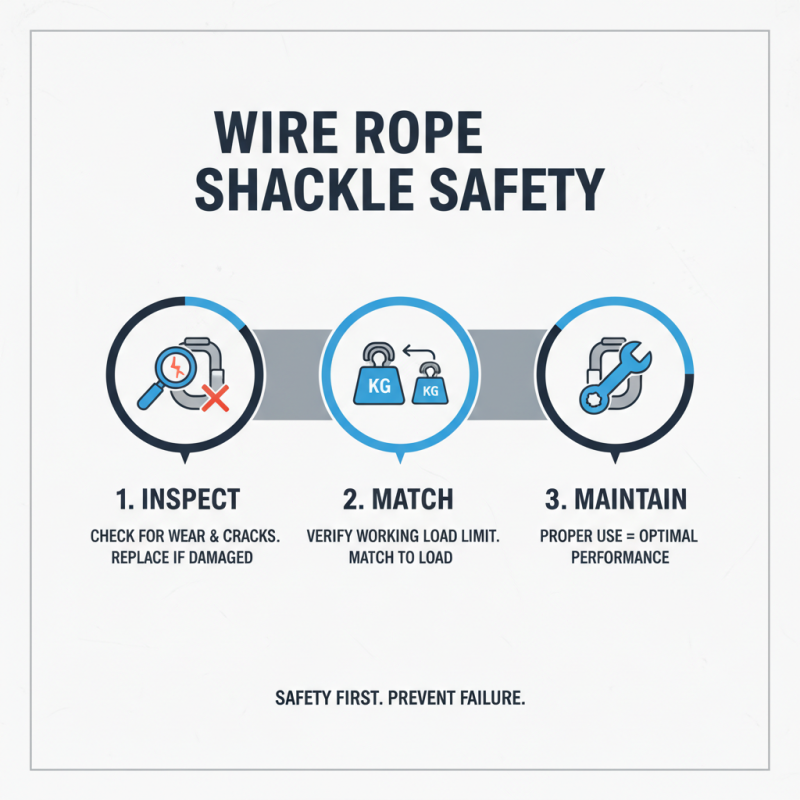
Be mindful that factors like wear and corrosion can weaken a shackle over time. Regular inspections are essential. Occasionally, users underestimate how environmental conditions affect load ratings. High temperatures or chemical exposure can reduce a shackle’s strength. Always consult relevant industry data when assessing shackles for specific loads. This informs better decision-making and enhances safety in operations.
Materials and Corrosion Resistance in Wire Rope Shackles
When selecting a wire rope shackle, material and corrosion resistance are crucial factors. Common materials include carbon steel, stainless steel, and aluminum.
Carbon steel offers durability but can rust without proper coating. Stainless steel, while more resistant to corrosion, is still vulnerable in harsh environments. Aluminum is lightweight but may not withstand heavy loads or abrasive conditions.
Tips: Always check the environment where the shackle will be used. A moist or saltwater area requires better corrosion resistance. Consider your load's weight too. Overloading can lead to unexpected failures.
Thinking of your specific needs can help refine your choice. Not every material suits every job. A shackle may work well in ideal conditions but fail when faced with real-world challenges. Take the time to assess the expected conditions. Analyze both short-term and long-term requirements. Understanding the potential for wear and tear can save you from costly mistakes later.