Choosing the best Bolt Type Shackle in 2026 starts with the lift, not the catalog. The right choice depends on the load’s weight, sling angle, connection geometry, and working environment. A bolt-type pin, secured with a nut and cotter pin, can help resist loosening when a connection may rotate or experience movement. But it does not make an unsuitable shackle safe.
The U.S. Bureau of Labor Statistics reported 5,283 fatal work injuries across all industries in its 2023 Census of Fatal Occupational Injuries. This figure is not specific to shackles, but it underscores why lifting decisions deserve careful checks. For selection details, ASME B30.26, Rigging Hardware, provides guidance on rigging hardware, while Crosby’s published rigging catalog lists working load limits and product dimensions. Use the applicable manufacturer’s data for the exact model; a similar-looking shackle may have a different rating.
Check the working load limit, pin fit, bow and pin dimensions, material, and identification markings. Confirm that the pin is fully seated and secured, and account for any side loading or multi-leg sling angle. Small details matter. Corrosion, impact damage, or a bent pin should trigger a closer inspection, not a guess. A manufacturer’s test certificate and traceable product markings add useful verification, though paperwork cannot replace a pre-use inspection. The honest answer is that no single model is best for every lift. A careful match between the shackle, rigging plan, and actual conditions is what makes a selection dependable.
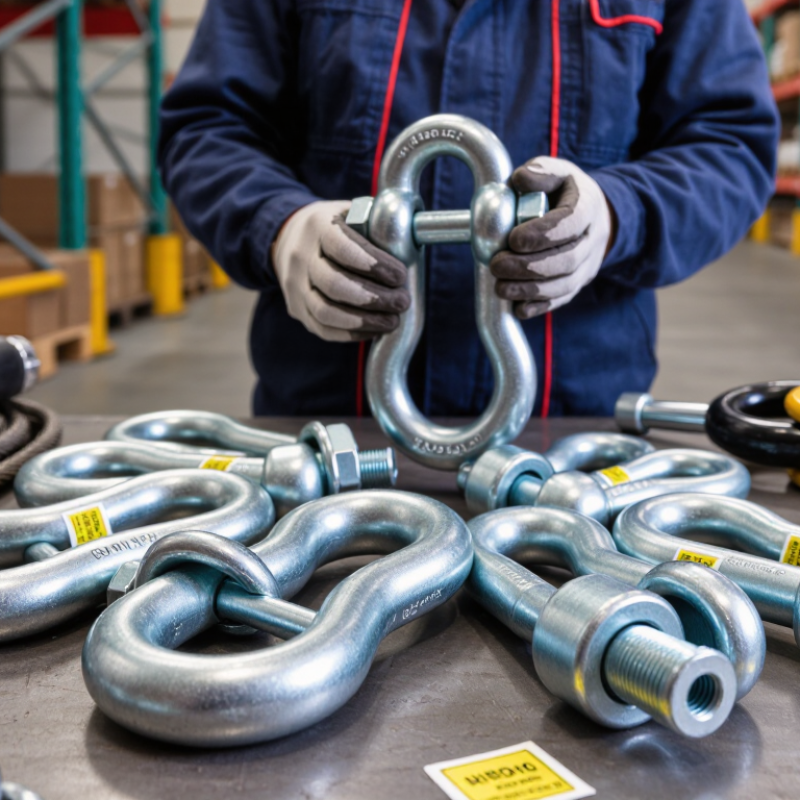
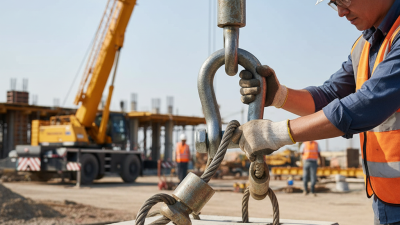
A bolt-type shackle is a U-shaped steel connector with a curved bow and a removable pin. The pin passes through the shackle’s ears and is secured with a nut and cotter. That extra retention helps prevent the pin from rotating loose during service. It does not make the shackle suitable for every lift. Load travels from a sling or chain into the bow, then through the pin to the connected hardware.
Keep the pull centered. Side loading can reduce capacity, even when the shackle appears undamaged.
Small part, serious consequences.
ASME B30.26 covers rigging hardware, including shackle inspection and use. Check the shackle’s working load limit marking, and match it to the intended load and connection. Inspect the bow, pin, threads, nut, and cotter for wear, distortion, cracks, or corrosion before use. A pin that looks secure can still be mismatched.
The UK Health and Safety Executive recorded 135 worker fatal injuries in Great Britain in 2022/23; that figure covers all work-related causes, not shackle incidents. It is a reminder that lifting hardware deserves careful checks.
If the marking is unreadable or parts do not fit correctly, stop and verify the specification rather than guessing.
How to Match Shackle Capacity to the Load and Lift
How to Choose the Best Bolt Type Shackle in 2026?
How to Match Shackle Capacity to the Load and Lift
Matching a bolt-type shackle to a lift starts with the total suspended weight, not just the object’s weight. Include slings, hooks, spreader beams, and other gear below the hook. Then compare that total with the shackle’s marked working load limit (WLL). A larger-looking shackle is not automatically stronger. Check its identification and manufacturer specifications.
The direction of pull matters. A straight, centered lift is different from a side-loaded connection, which may reduce capacity or be prohibited for that shackle. Sling angles can also increase the force on each connection. For example, a wide sling angle may place more tension on the shackle than a vertical arrangement. Account for movement, shock loading, and possible snagging; estimates can be imperfect, so a qualified lift planner should verify the setup.
Tips: Confirm the WLL, load direction, and pin arrangement before each lift. Use the correct bolt, nut, and cotter pin, and inspect for wear, cracks, bending, or damaged threads. If the load is uncertain, stop and reassess. A rushed lift is rarely worth it.
Which Materials and Ratings Suit Your Working Environment?
A bolt type shackle must match both the load and the conditions around it. For general lifting, forged alloy steel often offers high strength in a compact size. Galvanized steel can suit outdoor work where moisture and abrasion are common. In marine or washdown settings, stainless steel may resist corrosion, but its strength and resistance vary by grade. Salt is unforgiving. Check the product’s stated working load limit, material, and temperature range rather than judging by appearance.
Tips: Read the WLL marking on the shackle and compare it with the planned load. Allow for shock loading, side loading, and sling angles; these can reduce capacity. Keep the pin fully seated, and do not substitute a bolt or pin that merely fits. Fit matters.
Inspect the shackle before use for cracks, bent parts, heavy wear, or damaged threads. Match the bow and pin size to the connected fittings, so they sit naturally without forcing. For chemicals, extreme heat, or persistent salt exposure, confirm compatibility with the manufacturer’s technical data. A rating alone is not enough. I would still pause over any setup that relies on an uncertain load estimate; verify the load and the lifting arrangement before choosing a size.
How to Choose the Right Size and Bolt Configuration
Choose a bolt-type shackle by matching its working load limit (WLL) to the full rigging load, not just the object’s weight. Include the weight of slings and attachments, and account for sling angles, movement, and any off-axis pull. A shallow sling angle increases leg tension; a shackle should not be treated as a fix for poor alignment. Fit matters. Check that the pin diameter and bow width suit the connected hardware, with no forced contact or binding.
The U.S. Bureau of Labor Statistics reported 5,283 fatal work injuries in 2023; this figure covers all industries, not shackle incidents, but underscores why lifting checks matter. For equipment criteria, ASME B30.26-2020 covers rigging hardware, including shackle identification and inspection. Confirm the WLL marking is legible, and inspect the body, threads, nut, and cotter pin before use. A bolt-type configuration is useful for longer-term connections or setups where a screw pin could loosen. It does not make side loading acceptable. I would still pause over a nearly fitting pin; “close enough” is a poor measurement.
Tips: Compare the load direction with the shackle’s rated loading conditions. Use the correct pin and secure its nut and cotter pin. If the rating, fit, or load path is unclear, stop and consult a qualified rigging professional.
How to Check Certification, Compatibility, and Condition Before Use
How to Choose the Best Bolt Type Shackle in 2026?
How to Check Certification, Compatibility, and Condition Before Use
A bolt-type shackle is only as dependable as its identification and fit. Check that its body shows a readable working load limit (WLL), size, and grade, then match these details to traceable product documentation. Confirm which standard and edition the documentation cites; ASME B30.26 covers rigging hardware, including shackles. Do not treat a certificate as proof that a shackle suits every lift. The U.S. Bureau of Labor Statistics recorded 5,283 fatal work injuries in 2023 across all industries—not a shackle-specific figure, but a reminder that lifting controls matter.
Compatibility needs a physical check. The shackle bow should seat the sling or lifting eye without crowding, and the pin must pass through freely and be secured as specified. Compare the planned load direction with the manufacturer’s instructions; side loading can reduce allowable capacity. If the rigging geometry is unclear, pause and ask a qualified lifting professional. A quick guess is not a calculation.
Before use, inspect the body and pin for cracks, bending, heavy corrosion, worn threads, or mismatched parts. Check that the pin engages fully and does not bind. Remove questionable hardware from service until a competent person evaluates it. Even a neat checklist has limits: poor lighting or a rushed glance can hide damage, so inspect the contact points closely and record any concerns.
How to Choose the Best Bolt Type Shackle in 2026
Check certification, compatibility, and condition before use.
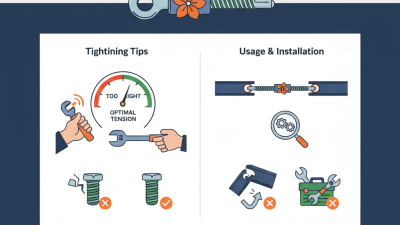
Use this checklist before each lift: confirm the shackle’s identification and working load limit (WLL) from its documentation and markings; verify the load, pin, and connection fit are compatible; and inspect the body, pin, threads, and retaining hardware. Do not use a damaged or unidentified shackle, exceed its WLL, or side-load it unless the manufacturer’s instructions specifically allow that configuration. Bar values count the checks listed for each category; they are not risk scores or regulatory thresholds.