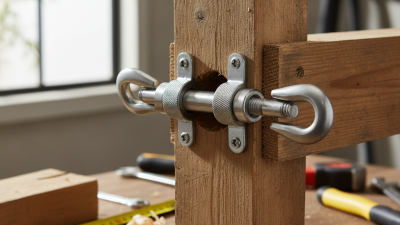
2026 How to Choose the Right Wire Rope Turnbuckle for Your Needs?
Choosing the right Wire Rope Turnbuckle is crucial for various applications, from rigging to construction. The global wire rope market is projected to reach $4.54 billion by 2026, indicating growing demand for effective tensioning systems. This underscores the importance of understanding the specifications and performance of wire rope turnbuckles, as they play a vital role in maintaining safety and efficiency.
Many industries rely on turnbuckles for load balancing and adjusting tension. However, the diverse range of products can be overwhelming. For instance, a study from the International Wire and Cable Symposium reported that improper selection of turnbuckles can lead to a 30% increase in failure rates under load. This highlights the need for careful evaluation based on material, design, and application.
The challenges in selecting the right Wire Rope Turnbuckle warrant attention. Users must reflect on their specific needs, including load capacity and environmental conditions. Each decision carries risks and benefits that must be weighed thoughtfully. Ultimately, investing time in understanding the available options ensures long-term reliability and safety in your projects.
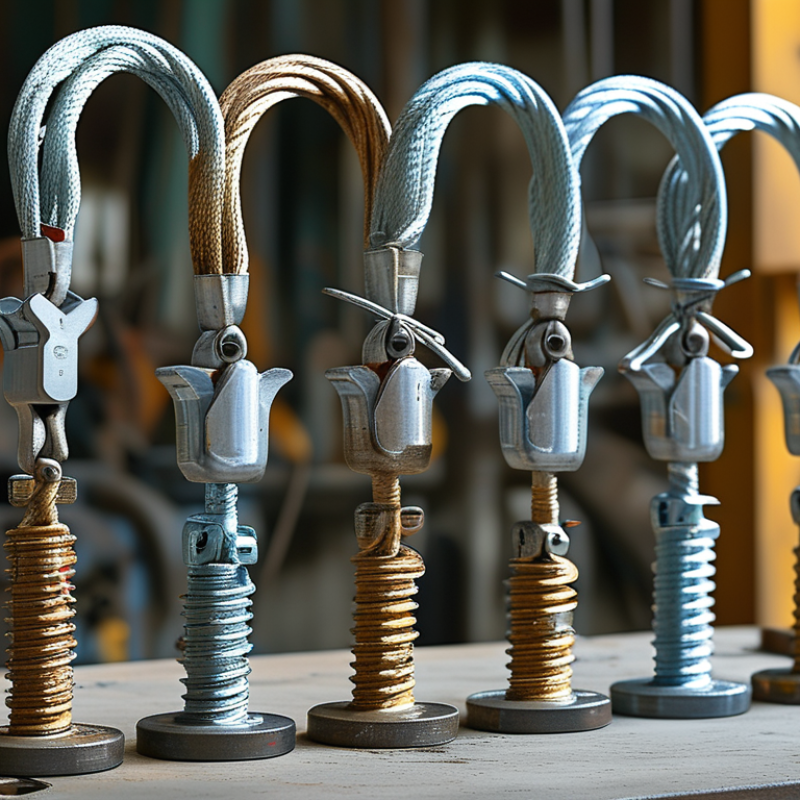
Understanding Wire Rope Turnbuckles: Types and Applications
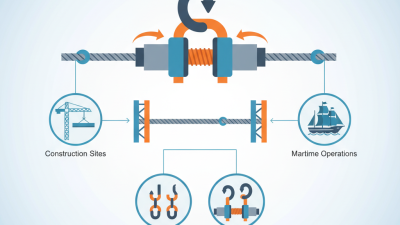
Wire rope turnbuckles play a crucial role in tensioning cable systems in various industries. They provide control and adjustment for wire ropes used in construction, marine, and transportation settings. Understanding the types and applications helps in selecting the right turnbuckle. There are three main types: open-body, closed-body, and jaw-type turnbuckles. Each type serves different purposes, catering to unique load requirements and installation conditions.
In construction, for example, open-body turnbuckles are popular for their ease of use. They allow for quick adjustments on job sites where precision is key. A report from the National Safety Council highlights that proper tension management can reduce accidents caused by equipment failure by up to 30%. Meanwhile, closed-body turnbuckles offer added safety for environments exposed to harsh conditions. They are less prone to damage and provide secure fastening, making them ideal for outdoor applications.
When selecting a turnbuckle, consider the required load capacity and environmental factors. A common issue is overestimating load limits. Many projects face backlash due to inadequate assessments. Hence, working closely with experts can provide valuable insights. An experienced eye can assess conditions and guide on the appropriate choice. This helps prevent mishaps and ensures safety in operations where cable tensioning is crucial.
Key Factors to Consider When Selecting a Turnbuckle
Choosing the right wire rope turnbuckle is crucial for ensuring safety and efficiency in lifting and securing applications. When selecting a turnbuckle, consider several key factors that impact performance.
Material is essential. Stainless steel is durable and resistant to corrosion, making it ideal for outdoor use. However, other materials like carbon steel can be cost-effective for indoor applications. Think about where you’ll use it. Corrosive environments demand tougher materials.
Another factor is the load capacity. Ensure the turnbuckle can handle the maximum load you'll apply. Overloading can lead to failures. Always err on the side of caution. Check the specifications provided by manufacturers.
Tips: Always inspect your turnbuckle regularly. Look for signs of wear or rust. Even minor damage can compromise safety. Don't forget to consider size and thread type. A tight fit ensures stability and efficiency.
In addition, the design should match your application. If you are in a dynamic environment, a turnbuckle with additional features may be necessary. Research is key; understanding your specific needs will guide your choice and prevent future mishaps.
Material Choices: Steel vs. Stainless Steel in Turnbuckles
When selecting a wire rope turnbuckle, material choice is crucial. Steel and stainless steel are commonly used options.
Steel turnbuckles are strong and cost-effective, making them suitable for general applications. However, they can rust in moist environments. A corrosion rate of up to 1.6 mm per year in maritime settings highlights this risk. Steel components demand regular maintenance to prevent failure.
On the other hand, stainless steel offers excellent corrosion resistance. It contains nickel and chromium, which enhance its durability. When exposed to harsh conditions, stainless steel maintains its integrity. Reports indicate that stainless steel has a much longer lifespan in corrosive environments. For example, it can last over 20 years in marine applications compared to just 5 years for mild steel.
Choosing between these two materials depends on your specific needs. For temporary or light-duty tasks, steel may suffice. A savvy approach should consider potential long-term costs versus initial savings. Careful evaluation ensures that function meets reliability and longevity.
Sizing Your Turnbuckle: A Guide to Load Capacity and Length
Choosing the right wire rope turnbuckle is crucial for load management. Sizing a turnbuckle involves understanding load capacity and length. Overloading can lead to structural failure. According to industry reports, the average load capacity of turnbuckles ranges from 1,200 to 12,000 pounds, depending on the material and design.
When sizing the turnbuckle, consider the application and load type. Static loads differ from dynamic ones. The length affects the adjustment capability. Too short can restrict movement; too long may cause instability. A common pitfall is underestimating safety factors. Experts recommend a safety margin of 5:1 for critical applications.
Tips: Always measure the load before purchasing. Consult with industry guidelines for specific applications. Double-check your calculations. Remember, prevention is better than failure. Ensure your turnbuckle fits within the specifications provided by the manufacturer.
Installation and Maintenance Tips for Optimal Performance
When installing wire rope turnbuckles, correct alignment is crucial. Misalignment can cause uneven tension, leading to premature wear. According to a recent industry report, improper installation accounts for nearly 30% of turnbuckle failures. Each connection point must be secure, ensuring that the load is evenly distributed. This requires careful attention during installation, including checking the angles and distances between components.
Routine maintenance is essential for optimal performance and longevity. Regular inspection is vital; look for signs of rust, corrosion, or deformation. The American Society of Mechanical Engineers recommends a bi-annual check-up for wire rope rigging systems. Keeping the turnbuckles lubricated can significantly enhance their lifespan. Failure to do so may shorten their operational capacity by up to 15%. Identifying wear early can prevent costly downtimes and accidents.
Using the right tools for maintenance is as important as the initial installation. Trust in quality instruments for tension checks. On occasion, users might underestimate the necessity of these practices, leading to operational risks. A commitment to maintaining your equipment fosters a safer and more efficient working environment.
Wire Rope Turnbuckle Selection: Performance Factors
This bar chart illustrates the key performance factors when selecting a wire rope turnbuckle. Each factor is rated on a scale from 0 to 100, representing its importance in ensuring optimal performance.