Essential Tips for Effective Cable Pulling Mesh Usage?
Cable Pulling Mesh is an essential tool in the world of electrical installations. It simplifies the process of pulling cables through conduits and tight spaces. However, effective usage requires some key techniques.
First, ensure you choose the right mesh. Different projects demand different mesh types. Using an unsuitable mesh can lead to inefficiencies. A mismatched choice often results in damage to cables. Make sure to assess the size and weight of the cables you’re working with.
Next, proper handling of the Cable Pulling Mesh is critical. Always check for wear and tear before use. A worn mesh can break under tension. In addition, securing the mesh correctly to the cables is vital. Loose connections can lead to unexpected troubles. Keep in mind that reflections on past experiences can lead to better practices. Emphasizing safety and attention to detail can enhance your results dramatically.
Essential Tips for Effective Cable Pulling Mesh Usage: An Overview
When using cable pulling mesh, understanding the right techniques is crucial. Proper preparation helps prevent damage to cables during the pulling process. Start by examining the cable’s length and weight. This allows for a better understanding of the tension required. Overestimating or underestimating can lead to issues later on.
It is essential to select a suitable mesh for the job. The mesh must be strong enough to bear the load. A weak mesh can tear, which leads to unnecessary delays. Check for wear and tear before each use. Even small damages can compromise its effectiveness.
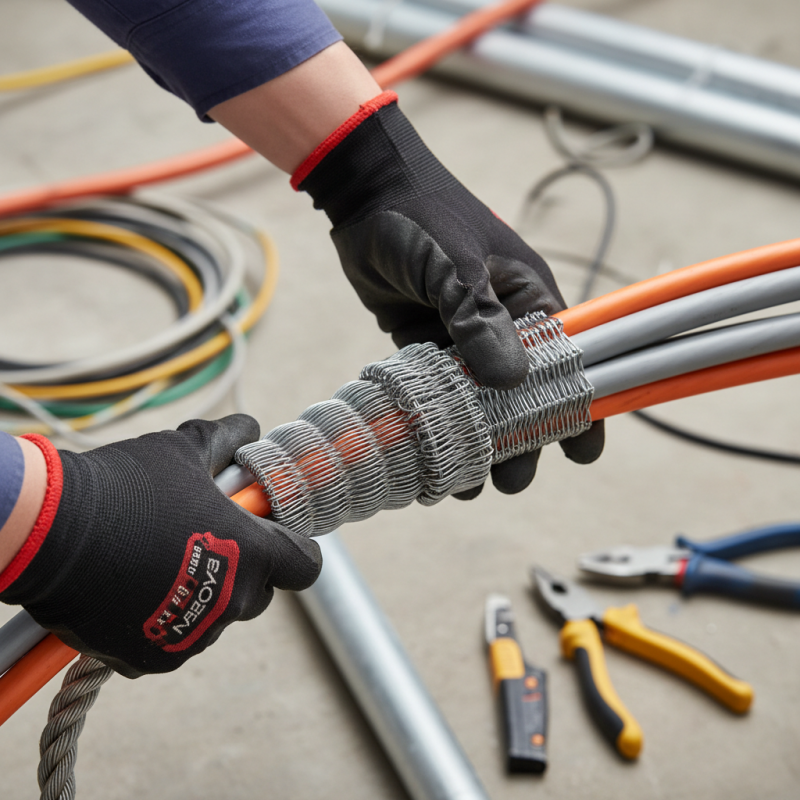
Proper installation of the mesh is also vital. When securing the mesh around the cables, ensure it fits snugly. Overlap any areas that show signs of weakness. If the mesh is not applied correctly, cables might slip. In some cases, the mesh can shift, causing potential hazards. Reflecting on these practices is important for improvement. Mistakes can happen, but learning from them can enhance future projects.
Essential Tips for Effective Cable Pulling Mesh Usage: An Overview
| Tip |
Description |
Benefits |
| Choose the Right Mesh |
Select a mesh that suits the cable type and environment. |
Improves cable safety and prevents damage. |
| Plan the Pull |
Outline the route and consider bends and angles. |
Reduces the risk of kinks and slows down the pulling process. |
| Use Lubricants |
Apply appropriate lubricants to facilitate the pull. |
Minimizes friction and makes pulling smoother. |
| Test the Mesh |
Ensure the mesh is intact and free from damages before use. |
Ensures reliability during operation and prevents failures. |
| Follow Safety Protocols |
Adhere to safety protocols to protect workers and equipment. |
Improves overall safety and reduces the risk of accidents. |
Understanding Different Types of Cable Pulling Mesh in the Market
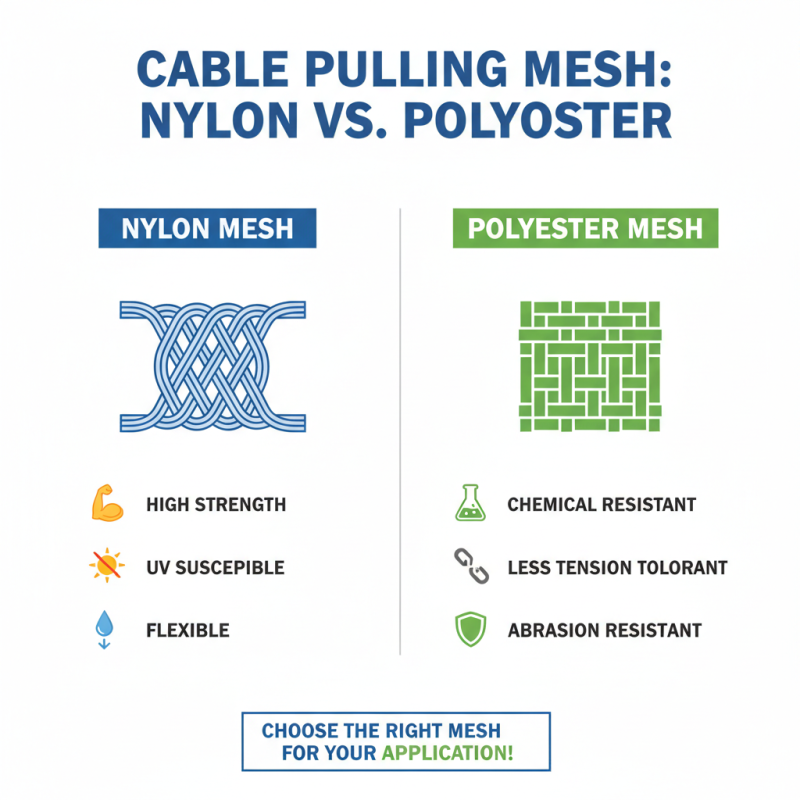
When considering cable pulling mesh, it's important to understand the different types available in the market. There are several materials used for these meshes, including nylon and polyester. Each material has unique benefits and drawbacks. For instance, nylon is strong but can be susceptible to UV damage. Polyester, on the other hand, is resistant to chemicals but may not hold up as well under extreme tension.
Cable pulling meshes come in various sizes and load ratings. Selecting the right size is crucial. A larger mesh might seem beneficial, but it could be unwieldy to manage. On the flip side, a smaller mesh may not handle demanding tasks effectively. Users often overlook load ratings, which can lead to mishaps during pulling operations.
Reflecting on personal experiences, one might find that trial and error is a practical learning method. Many users have faced issues by not choosing the correct type for their specific projects. It's easy to underestimate the importance of matching the mesh with task requirements. Those lessons often come with a price. Understanding these factors can significantly improve the efficiency of cable pulling tasks in the long run.
Key Factors Influencing Cable Pulling Efficiency and Safety
When it comes to cable pulling, several factors influence efficiency and safety.
First, the condition of the cable pulling mesh is crucial. Worn or damaged mesh can lead to cable snags.
Inspecting the mesh for any signs of wear is essential. Maintaining the mesh properly can prevent accidents on site.
Another important aspect is the technique employed during the pull. Proper alignment and tension can make a significant difference.
A well-aligned mesh reduces friction and potential damage. However, it's easy to overlook this step during urgent jobs.
Rushing can lead to mistakes, creating safety hazards.
Environmental conditions also play a role. Wet or icy surfaces can affect traction, increasing the risk of slips.
Workers should be mindful of their surroundings. Lighting is another factor; poor visibility often leads to miscalculations.
These elements are often underestimated. An effective approach considers all these factors to enhance safety and efficiency.
Best Practices for Installation and Maintenance of Cable Pulling Mesh
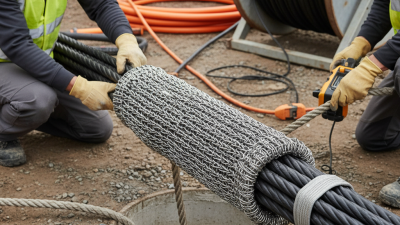
When installing cable pulling mesh, proper handling is crucial. Begin by inspecting the mesh for any damage. Small tears can lead to bigger issues down the line. Carefully unfold the mesh and avoid sharp objects nearby. The installation area should be clear of debris. This ensures smooth operation and prevents unnecessary delays.
Maintenance is equally important. Regularly check the mesh for any wear and tear. Clean it after each use to remove dirt and particles. If it becomes tangled, take your time to detangle it. Rushing may cause damage. Store the mesh in a dry, cool place. This can prolong its life and maintain effectiveness.
It's easy to overlook some steps. Sometimes, we might think fastening the mesh is enough. Yet, proper folding and storage are just as vital. Reflections on previous projects can highlight areas needing improvement. Learning from small mistakes paves the way for better practices in future installations. Aim for continuous improvement as a key principle.
Industry Standards and Compliance for Cable Pulling Mesh Use
When using cable pulling mesh, understanding industry standards is crucial. These standards ensure safety and efficiency in cable installations. Compliance with these guidelines helps prevent hazards during pulling processes. Using proper mesh materials can make a significant difference. Always check if the materials meet the required tensile strength.
During installations, personnel should be trained on best practices. It's not uncommon for teams to overlook proper grip techniques. This oversight can lead to injuries or equipment damage. Regular inspections of the mesh for wear and tear are essential. A small flaw can become a big problem during a pull.
Many professionals still struggle with knowing when to replace their mesh. Waiting too long can jeopardize the pulling process. Establishing a routine maintenance schedule may help mitigate risks. Awareness of compliance can make installations smoother and safer. A little reflection on these practices can lead to significant improvements.