Essential Tips for Choosing Cable Support Grips for Your Needs?
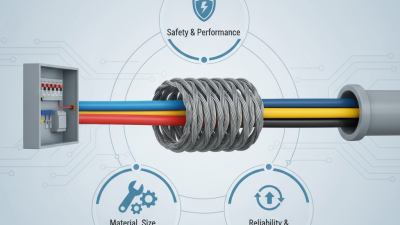
Choosing the right cable support grips is crucial for ensuring safety and efficiency in any electrical project. These grips provide essential support for cables, preventing wear and damage, which can lead to costly repairs or dangerous situations. With various designs and materials available, selecting the best fit for your needs may feel overwhelming.
Many factors influence your choice. The type of cables you use, their size, and the specific environment play significant roles. For instance, heavy-duty grips may be required for industrial settings, while lighter options might suffice for residential applications. It's essential to consider the load capacity of the grips. A mismatch could result in failure.
Cable support grips are not a one-size-fits-all solution. Reflecting on past experiences can help clarify your choices. Think about what worked previously and what didn’t. Experimenting with different grips can lead to better outcomes. Prioritizing quality and reliability will ensure that your cables remain secure and functional, ultimately benefiting your projects.
Understanding the Role of Cable Support Grips in Electrical Applications
Cable support grips play a crucial role in electrical applications, ensuring secure connections and minimizing strain on cables. The data from industry reports indicate that improper cable management can lead to significant failure rates, with cable strain identified as a primary factor in equipment malfunction. Support grips, when used correctly, can extend the lifespan of cables by 20-30%, making their selection a critical step in electrical installations.
In environments where cable systems endure constant movement or tension, the right grip offers stability. Experts suggest that evaluating the environmental conditions is essential. For example, outdoor installations might require grips resistant to UV light, while indoor applications may focus on ease of installation and maintenance. Despite the wealth of information available, many overlook the importance of material selection. Selecting the right material not only affects durability but also the grip’s performance under varying temperatures and humidity levels.
Cable support grips also enhance safety by reducing the risks associated with loose or damaged cables. A study from industry analysts revealed that nearly 40% of electrical failures stem from improper cable support. Yet, many projects still cut corners on this aspect, highlighting a need for improved awareness and training. Investing time in understanding these components could prevent costly downtimes and enhance overall system reliability.
Identifying Your Specific Requirements for Cable Support Grips
When selecting cable support grips, it is crucial to identify your specific needs upfront. Different environments require different grip types. For instance, outdoor setups may need UV-resistant materials, while indoor applications could prioritize aesthetics. Think about what is most important for your project.
Consider the type of cables you will use. Thicker cables may need heavier grips. Measure the diameter of the cables to ensure a proper fit. Additionally, think about the weight. Grips should support the weight of the cables without compromising safety. It’s easy to overlook this detail, yet it is essential for functionality and durability.
Reflecting on your working conditions is equally important. High-moisture areas need grips that withstand corrosion. Installation ease can also vary between products. Sometimes, the best option may not be the most expensive one. Reviewing various grips based on peer recommendations could offer better insight. Pay attention to user feedback and real-world applications to make an informed decision.
Evaluating Material Types and Their Impact on Performance
When selecting cable support grips, material choice significantly influences performance. Common materials include nylon, polyester, and steel. Each option has unique characteristics that affect grip strength and durability. For instance, nylon offers excellent flexibility and resistance to abrasion. However, it may not perform well in extreme temperatures, which can lead to premature failure.
Polyester, on the other hand, boasts high tensile strength. According to industry reports, polyester grips can endure up to 25% more load than nylon counterparts. This makes them a preferred choice for heavy-duty applications. Still, they may lack the elasticity found in nylon, resulting in less adaptability during installation.
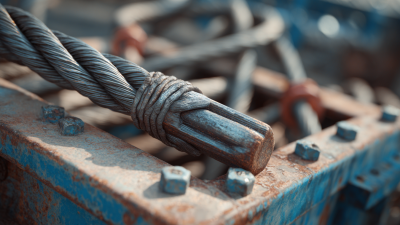
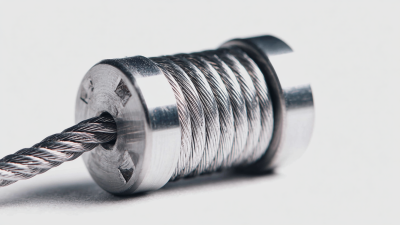
Steel grips are often viewed as the most robust option, providing the highest resistance to environmental factors. They are less prone to wear and tear, but their rigidity can make installation more challenging, sometimes leading to alignment issues. Understanding the trade-offs among these material types is vital for optimal performance. It's essential to consider specific environmental conditions and load requirements when making your selection.
Considering the Environmental Conditions for Optimal Grip Selection
When selecting cable support grips, understanding environmental conditions is crucial. Different materials behave distinctively under various circumstances. For instance, grips used in coastal areas must resist saltwater corrosion. According to a report by the Materials Research Society, nearly 30% of equipment failures stem from inadequate environmental considerations in design.
Temperature plays a significant role too. Extremes can cause materials to contract or expand, impacting grip reliability. Research by the International Electrotechnical Commission highlights that nearly 20% of failures occur due to temperature-related issues. Therefore, users need to understand the thermal ranges their grips will face regularly.
Tips for choosing the right grip include evaluating exposure conditions. Consider environments like high humidity or frequent vibrations. Engaging with professionals in the field can yield valuable insights. Remember, not all grips are created equal. Each specific scenario demands a tailored approach for optimal safety and performance.
Installation and Maintenance Best Practices for Cable Support Grips
When installing cable support grips, consideration is key. Proper installation not only ensures the safety of the cables but also enhances their lifespan. According to a report by the National Electrical Contractors Association, improper installation accounts for around 30% of cable failures. It is essential to follow manufacturer guidelines closely for the best results.
Use the correct tools and techniques during installation. A common mistake is not adequately tightening the grips. This can lead to slippage and potential damage to cables. Regular checks after installation can help identify any issues before they escalate. Many professionals recommend visual inspections every three to six months, particularly in environments subject to vibrations or extreme temperatures.
Maintenance is equally vital. Over time, grips can wear down due to environmental factors. The International Electrotechnical Commission states that 20% of grip failures occur due to environmental wear. Keeping a log of maintenance activities can be beneficial. This practice not only helps in tracking performance but also aids in anticipating replacements. Reflecting on past experiences can improve future installations and maintenance protocols.