Leave Your Message

China Top Split Cord Grip Manufacturer Supplier?

Choosing a China Top Split Cord Grip Manufacturer Supplier requires more than comparing prices on a product page. The right partner should understand cable entry points, strain relief, sealing, and long-term field performance. A quality Split Cord Grip keeps cables organized while helping protect enclosures from dust, moisture, vibration, and accidental pulling.

Look closely at the details.

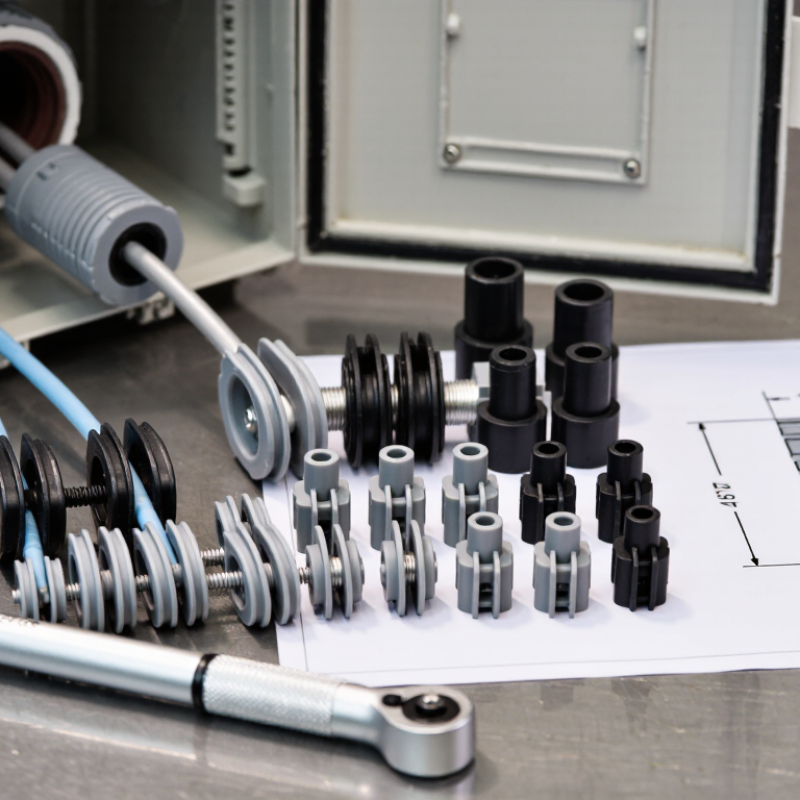
Experienced suppliers can explain material choices, including nylon, polyamide, or other engineering plastics. They should confirm cable diameter ranges, thread specifications, temperature limits, and available colors. Clear drawings matter. So do samples. A practical evaluation may include fitting the grip onto an actual enclosure, tightening it with a torque-controlled tool, and checking whether the cable remains secure after movement. These small checks often reveal more than attractive photographs.

Reliable manufacturers usually provide traceable production information, inspection records, and consistent packaging. Ask about mold control, batch testing, lead times, and replacement procedures. A supplier may claim strong quality control, but evidence should support that claim. No factory is perfect. Even an established exporter can experience material variation or communication gaps. That is why written specifications and sample approval remain essential. This guide examines how to identify capable Chinese manufacturers, compare their technical strengths, and reduce purchasing risks through practical verification. The goal is not to promote the loudest supplier. It is to find a dependable partner for safe, repeatable, and commercially sensible cable management solutions.
China Top Split Cord Grip Manufacturer Supplier?

What Is a Split Cord Grip and How Does It Work?

China Top Split Cord Grip Manufacturer Supplier?

A split cord grip is a cable entry device with a divided body. It allows installers to secure cables without removing plugs or fitted connectors. The grip usually combines a split sealing insert, compression cap, threaded body, and locknut. When tightened, the cap compresses the insert around the cable jacket. This creates strain relief and helps block dust, moisture, and vibration.

The mechanism is simple, but installation is not always forgiving. A correct grip matches the cable’s outside diameter, thread type, material, and required protection level. IEC 62444 provides guidance for cable glands, while IEC 60529 defines IP protection ratings. The installer should also check bending space near the enclosure. Too much force can flatten the cable.

Small details matter.

Grand View Research valued the global cable management market at about USD 23.27 billion in 2023. Its 2024 analysis also forecast continued growth through 2030, driven by industrial equipment, energy systems, and data infrastructure.

This trend increases demand for reliable split cord grips, especially where pre-terminated cables must remain intact. In field work, a visually tight seal can still leak when the insert is mismatched. That is an easy mistake.

Suppliers should provide dimensional drawings, material data, torque guidance, and test information before production approval. A manufacturer with inspection records and practical assembly experience offers more reliability than a low price alone.
Key Features and Applications of Split Cord Grips

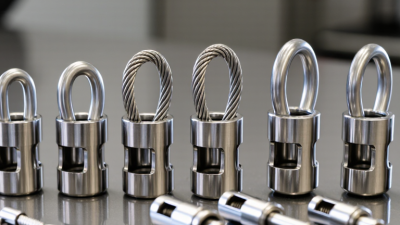
Split cord grips provide a practical way to route and protect pre-terminated cables. Their divided body opens around an existing connector, avoiding cable removal during installation or maintenance. This design saves time in control cabinets, junction boxes, machinery, and outdoor electrical enclosures.

A reliable split cord grip should match the cable’s outer diameter closely. Poor sizing may reduce strain relief or allow moisture and dust to enter. Look for durable materials, stable compression, smooth edges, and a secure locking nut. Many applications require resistance to oil, vibration, ultraviolet exposure, or changing temperatures. An appropriate IP rating also matters, especially for washdown areas and exposed equipment.

Installation should feel firm, not forced. The cable must sit evenly inside the sealing insert before tightening. Over-compression can damage insulation, while loose assembly may permit movement. This detail is easy to overlook. In practical projects, we have seen fitting errors caused by measuring the connector instead of the cable jacket. Product drawings, sample checks, and test reports support more dependable purchasing from a Chinese manufacturer or supplier. However, specifications alone are not enough. Actual performance depends on cable shape, enclosure thickness, and installation conditions. A grip that works well in a dry cabinet may perform poorly near vibration or rain. Careful testing remains necessary.

How Split Cord Grips Are Manufactured in China

China’s Top Split Cord Grip Manufacturer Supplier: How Split Cord Grips Are Manufactured in China

Manufacturing split cord grips in China begins with application review. Engineers check cable diameter, entry direction, thread size, and expected loading. These details guide the mold design and material selection. Common options include nylon, polyamide, and corrosion-resistant metal components. Each material responds differently to heat, moisture, vibration, and repeated bending.

The production team then creates precision molds for the grip body, sealing insert, and locking parts. CNC machining keeps dimensions consistent during mold preparation. Injection molding forms the main housing under controlled temperature and pressure. Operators inspect the surface for flash, cracks, incomplete filling, and uneven threads. Small defects matter. They can affect sealing performance later.

Assembly follows a controlled sequence. Workers fit the bushing, nut, and strain-relief parts according to measured specifications. Samples may undergo pull tests, thread checks, compression tests, and water-resistance evaluations. Quality records should identify the material batch, mold number, and inspection date. Reliable suppliers also provide drawings and test data before production approval. No factory gets every batch perfect. That is why process review remains necessary, even after years of experience. A capable manufacturer will discuss failed samples openly and adjust tooling, pressure, or assembly methods. Clear communication reduces costly revisions for overseas buyers.

How to Evaluate a Top Chinese Cord Grip Supplier

A top Chinese cord grip supplier should be evaluated through evidence, not polished catalog images. Grand View Research’s cable glands market analysis reports steady global growth, driven by industrial automation, renewable energy, and infrastructure upgrades. This demand makes supplier capacity important, but capacity alone proves little. Ask for factory audit records, production lead times, inspection plans, and recent batch traceability.

Request samples from the same production line used for bulk orders. Check thread accuracy, sealing compression, strain relief, and cable retention by hand and with measured force. IEC 62444 provides a useful reference for cable gland mechanical performance, while IEC 60529 supports ingress protection testing. A supplier claiming IP68 should provide test conditions, cable diameter, immersion time, and laboratory details. Vague certificates are warning signs.

Material selection also deserves close attention. Nylon cord grips should show documented temperature limits, UV resistance, and flame performance. Metal versions need clear information about corrosion protection and torque requirements. MarketsandMarkets identifies reliability, safety compliance, and customization as major purchasing factors in the cable glands sector. Compare these factors across at least three suppliers. A low price may hide thinner walls, inconsistent molds, or weak quality control. I have seen attractive samples fail when the locking nut was repeatedly tightened. One sample is not enough. Ask for samples from different lots. Review corrective-action records, even when the answers feel uncomfortable.

China Top Split Cord Grip Manufacturer Supplier? - How to Evaluate a Top Chinese Cord Grip Supplier
Evaluation Dimension Weight What to Check Practical Benchmark for a Strong Supplier Recommended Evidence Score
(1–5)
Product Range and Cable Compatibility 15% Confirm whether the supplier offers split cord grips for the required cable diameters, cable constructions, entry directions, and installation conditions. Published cable-diameter ranges, clear product drawings, metric and imperial dimensions where required, and options for common industrial cable types. Technical catalogue, dimensional drawings, cable compatibility chart, and pre-production sample. 1–5
Material and Corrosion Resistance 15% Evaluate the material used for the grip mesh, body, fittings, and strain-relief components according to the installation environment. Material grade is stated clearly; stainless-steel, galvanized, coated, or other options are available when required; material certificates can be provided for controlled projects. Material specification, supplier declaration, coating information, and inspection records. 1–5
Mechanical Performance 15% Check tensile strength, pull-out resistance, load distribution, bending relief, and stability after installation. Performance values are tested using defined cable sizes and installation methods, with test conditions and acceptance criteria documented. Tensile or pull-test reports, inspection procedure, product test samples, and installation instructions. 1–5
Dimensional Accuracy and Fit 10% Verify mesh length, eye dimensions, fitting size, cable-entry range, and tolerance control. Drawings include tolerances and revision control; sample dimensions match approved drawings; critical dimensions are inspected before shipment. Approved drawing, first-article inspection report, measurement records, and sample approval form. 1–5
Quality Management and Traceability 15% Assess incoming-material inspection, in-process control, final inspection, nonconformance handling, and batch traceability. A documented quality system is in place; production lots can be traced to raw materials and inspection records; corrective actions are recorded. Quality manual, process flow chart, control plan, inspection checklist, and corrective-action records. 1–5
Standards and Compliance Support 10% Determine whether the supplier can support the standards, market regulations, and project documentation required by the buyer. The supplier identifies applicable standards before quotation and provides relevant declarations, test reports, labeling information, and technical files when applicable. Compliance declaration, test documentation, packaging labels, and country-specific documentation checklist. 1–5
Customization Capability 10% Review the ability to modify mesh length, fitting dimensions, materials, packaging, labels, and installation accessories. Engineering review is available, custom drawings can be approved before production, and tooling or sample requirements are disclosed in advance. Customization workflow, engineering drawings, prototype sample, tooling quotation, and change-control procedure. 1–5
Production Capacity and Lead Time 10% Compare normal production lead time, peak-season capacity, minimum order quantity, and ability to maintain delivery schedules. Lead times are quoted in writing, capacity is supported by production planning, and shipment commitments include realistic inspection and packaging time. Capacity statement, production schedule, sample lead-time record, and order-progress reporting process. 1–5
Packaging and Export Readiness 5% Check protection against deformation, moisture, abrasion, and mixed-size errors during international transportation. Each size is identified, products are protected from tangling or crushing, cartons are suitable for the transport method, and export documents are prepared accurately. Packaging specification, carton photos, packing list, shipping marks, and sample export documents. 1–5
Communication and After-Sales Support 5% Evaluate response speed, technical communication, complaint handling, replacement policy, and support during installation or testing. Technical questions receive clear written answers, project records are maintained, complaints have defined response times, and corrective actions are documented. Quotation response, communication log, warranty terms, complaint procedure, and service-level commitments. 1–5
Total Evaluation Weight 100% — A supplier should be compared using the same cable sizes, materials, quantities, test conditions, delivery terms, and documentation requirements.
Scoring guide: 1 = insufficient evidence or high risk; 3 = acceptable with conditions; 5 = strong documented capability verified through samples, testing, and production records.

Ordering, Quality Control, and After-Sales Support

Selecting a China-based split cord grip supplier requires more than comparing unit prices. A 2024 Grand View Research report valued the global cable management market at about USD 23.57 billion in 2023. It also projects an 8.1% annual growth rate through 2030. This growth increases supplier pressure, but not every factory has equal process control.

During ordering, request a drawing, material declaration, thread specification, packing method, and inspection plan. Confirm cable diameter ranges with actual samples, not only catalog figures. A reliable supplier should provide incoming material records, torque-test results, dimensional reports, and batch traceability. For outdoor applications, ask for ingress testing aligned with IEC 60529. Small details matter. A misplaced sealing ring can weaken protection after installation.

Quality control should cover first-article approval, in-process checks, and final sampling. ANSI/ASQ Z1.4 offers a recognized framework for acceptance sampling, although one sampling plan may not fit every risk. I prefer 100% visual checks for seals and threads. They cost more, but prevent embarrassing field failures. After-sales support should include replacement parts, failure analysis, response targets, and documented corrective actions. A supplier that answers quickly but avoids root-cause evidence is not fully reliable. We once treated packaging damage as a logistics issue; later inspection showed weak carton dividers. That mistake changed our purchasing checklist. Ask for production photos, test records, and a clear escalation contact before approving the first shipment.