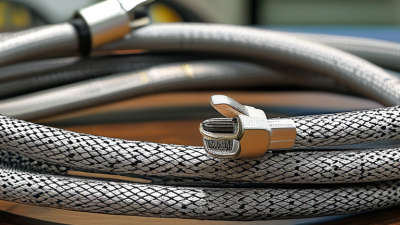
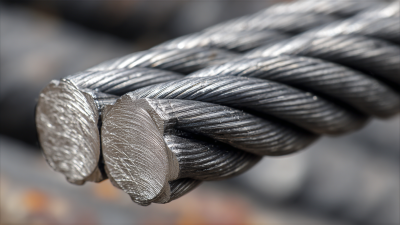
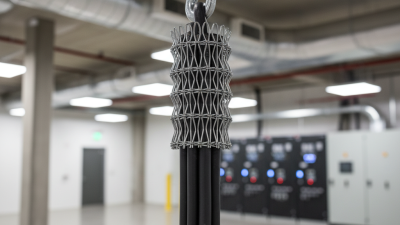
Top 5 Mesh Cord Grip Solutions for Global Buyers?
In today's global market, the demand for efficient and durable products has never been higher. Among these, the "Mesh Cord Grip" stands out as a crucial solution for various industries. These grips provide enhanced support and stability while minimizing slips or accidents. As buyers navigate through options, understanding the top solutions available becomes essential.
The nuances of selecting the right Mesh Cord Grip can be complex. Different scenarios require distinct features. For example, some grips excel in outdoor environments, while others are tailored for indoor applications. Buyers need to consider durability, material, and design specifics. These details play a vital role in ensuring optimal performance.
It's important to note that not all options may meet expectations. Some products might fail under extreme conditions. Additionally, reviews can vary widely. Therefore, researching multiple suppliers is critical for making informed choices. A thoughtful approach in evaluating Mesh Cord Grip solutions leads to better investment decisions in the long run.
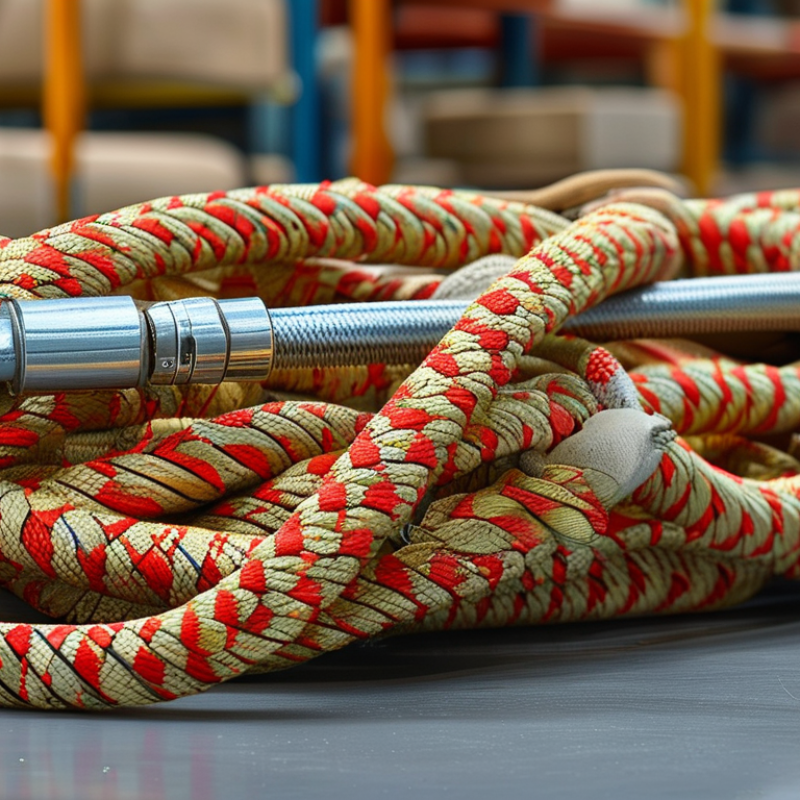
Top Mesh Cord Grip Solutions for Global Buyers
The demand for durable and reliable mesh cord grip solutions is on the rise. These tools are essential for securing electrical cables and ensuring safety in various industries. Buyers worldwide seek options that offer robust performance. Mesh cord grips are designed to withstand different environmental factors. They provide strain relief and prevent cables from bending excessively.
When evaluating solutions, consider material quality and design. A well-designed mesh cord grip aligns with cable size and usage needs. Customization can be important too. Buyers may prefer specific lengths or attachment features. Finding the right fit is crucial. Not all products behave the same under stress or temperature variations. Some may fray or degrade over time, leading to potential hazards.
Testing products before procurement is wise. Look for samples to evaluate performance. Consider user reviews and expert opinions while selecting. Establishing trust with suppliers can ease concerns. Not every solution will meet all needs perfectly, and exploring multiple options enhances decision-making. Each choice has pros and cons that must be weighed carefully.
Key Features to Consider in Mesh Cord Grip Solutions
When searching for mesh cord grip solutions, several critical features should be evaluated. Durability is paramount. Solutions made from high-quality materials withstand wear and tear. Buyers should also consider weather resistance. This ensures the cord grips perform well in various environments, from humid jungles to arid deserts.
Another essential factor is ease of installation. An effective grip solution should allow for quick and straightforward application. Complicated setups can lead to frustration and potential errors. Look for user-friendly designs that enhance efficiency.
Adjustability is also worth noting. A one-size-fits-all approach may not work for every application. Solutions offering customizable options will provide a better fit for various cord sizes. This adaptability helps to prevent slippage and ensures safety. Examining these characteristics allows buyers to make informed decisions in choosing the perfect mesh cord grip solutions.
Popular Materials Used in Mesh Cord Grip Manufacturing
The selection of materials in mesh cord grip manufacturing plays a crucial role in ensuring durability and functionality. Commonly used materials include nylon, polyester, and polypropylene, each offering unique benefits. Nylon, for example, boasts superior strength and abrasion resistance, making it a preferred choice for industrial applications. According to industry reports, nylon cords can withstand tensile forces exceeding 500 pounds per square inch, making them suitable for heavy-duty tasks.
Polyester is another popular option due to its excellent UV resistance and low moisture absorption. This makes polyester cords ideal for outdoor use, where exposure to the elements can compromise other materials. A recent market analysis indicated that polyester accounts for approximately 35% of the mesh cord grip material market share, highlighting its popularity among manufacturers. Meanwhile, polypropylene offers a lightweight alternative with good chemical resistance but may not match the tensile strength of nylon.
Despite these advantages, manufacturers must consider the environmental impact of these materials. Increasing awareness of sustainability has led to a demand for recycled options. Some companies begin to explore biodegradable materials that can perform adequately without burdening the planet. This evolution raises questions about long-term performance versus eco-friendliness, an area that deserves careful scrutiny as the industry progresses.
Top 5 Mesh Cord Grip Solutions for Global Buyers
| Material |
Durability |
Weight Capacity (kg) |
Temperature Resistance (°C) |
Applications |
| Polyester |
High |
25 |
-30 to 80 |
Outdoor Gear |
| Nylon |
Medium |
20 |
-40 to 90 |
Luggage |
| Polypropylene |
Low |
15 |
-10 to 70 |
Storage Bags |
| Cotton |
Medium |
10 |
-20 to 60 |
Wearable Items |
| Natural Rubber |
High |
18 |
-10 to 80 |
Sports Equipment |
Comparative Analysis of Leading Mesh Cord Grip Brands
The market for mesh cord grip solutions is growing rapidly, with a projected annual increase of 4.5% from 2023 to 2028, according to industry reports. This upsurge reflects the increasing demand for reliable cord management systems in various sectors, especially within electronics and electrical applications. Leading brands focus on materials that boost durability and flexibility in their products. Customers highly value features like tensile strength and resistance to environmental factors.
When analyzing available options, it’s crucial to consider user feedback. Many customers report issues with specific brands, citing reduced efficiency under extreme temperatures. Others mention the importance of ease of installation. Solutions that combine advanced material technology often outperform competitors. This is evident in the rising popularity of lightweight solutions that do not compromise strength.
Tips: Always review customer ratings before making a purchase. Certain products may appear ideal but could lack performance in real-world conditions. Testing mesh cord grips in various applications can reveal weaknesses. Look for independent reviews to gain insight into the actual reliability of these products.
Global Market Trends for Mesh Cord Grip Solutions
The global market for mesh cord grip solutions is experiencing notable growth, driven by diverse applications across various industries. A recent report suggests that the market is projected to reach $2.5 billion by 2025, with a compound annual growth rate (CAGR) of 7.2% from 2021 onwards. This growth reflects the rising demand for lightweight, durable, and flexible grip solutions that mesh cords provide in sectors like construction, automotive, and electronics.
Key trends indicate that manufacturers are focusing on enhancing product design for ergonomics and functionality. Buyers express a growing need for customized solutions that can adapt to specific applications. However, the market faces challenges. A lack of standardization in mesh cord specifications can confuse buyers. Additionally, varying regional regulations impact product availability and compliance, creating potential barriers.
Investments in research and development are crucial for staying competitive. Companies are increasingly exploring new materials and technologies to improve performance. According to industry analysts, there’s a pressing need for eco-friendly options as sustainability becomes a priority for global buyers. Balancing performance with environmental responsibilities could define future success in this market.