Top 10 Wire Rope End Fitting Types in China for Your Projects?
The selection of the right Wire Rope End Fitting is crucial for ensuring safety and efficiency in various projects. Industry expert James Chen, a seasoned engineer with over 20 years of experience, says, "Choosing the correct end fitting can make or break the integrity of your entire system." This underscores the importance of understanding different types of end fittings available in the market.
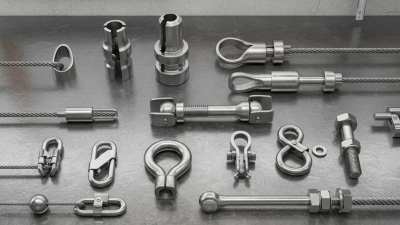
In China, many manufacturers offer a variety of wire rope end fittings tailored to specific applications. From eye bolts to swage fittings, each type has distinct characteristics and uses. Being knowledgeable about these options can significantly impact project outcomes. For example, using the wrong fitting can lead to failures in load-bearing applications, which often results in costly and dangerous situations.
Despite the advancements in technology, the market still has imperfections. Some suppliers may not guarantee the quality of their products. This disparity makes it vital for professionals to conduct thorough research on suppliers and choose wisely. The right Wire Rope End Fitting not only enhances performance but also ensures safety in demanding environments.
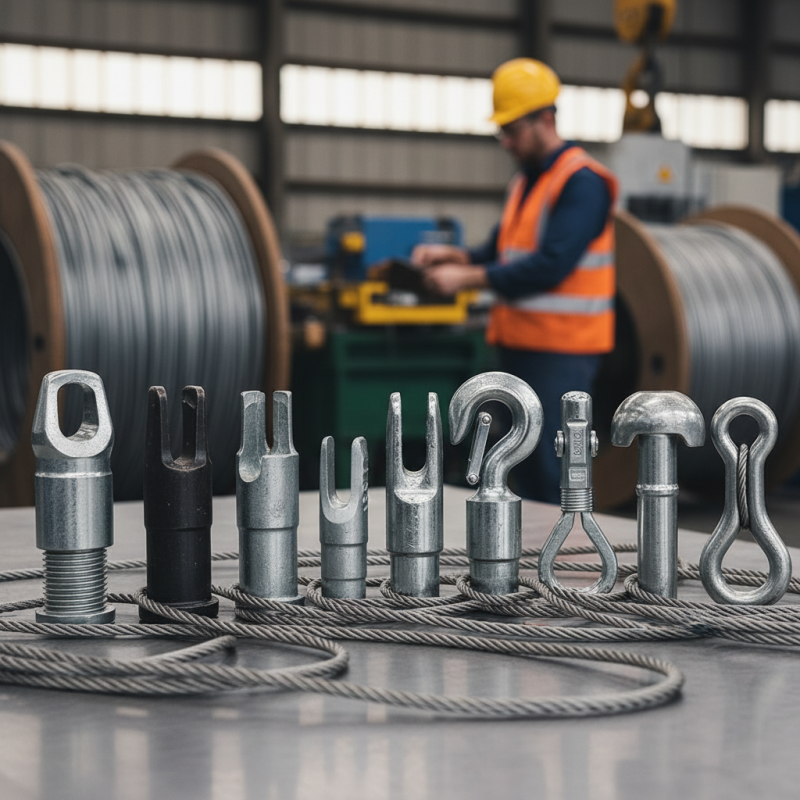
Types of Wire Rope End Fittings Commonly Used in China
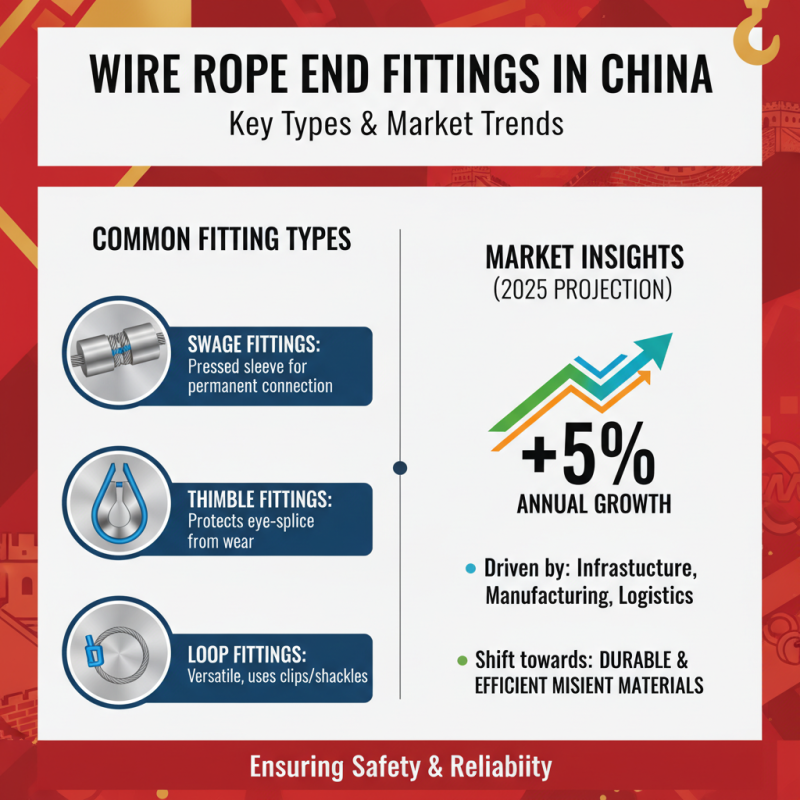
In China, wire rope end fittings play a critical role in various industries. They ensure safety and reliability in lifting and securing loads. The market has seen a surge in demand, with a projected growth rate of over 5% annually through 2025. This growth signals a shift towards more durable and efficient materials. Various types of fittings exist, including swage fittings, thimble fittings, and loop fittings.
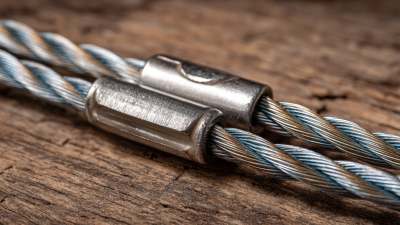
Swage fittings are commonly used for their strong and permanent connection. They are crucial in applications where safety is paramount. Thimble fittings, on the other hand, provide additional support and help maintain the wire's shape. The choice of fitting depends on load requirements and specific project needs. Despite advancements, improper installation remains a concern; it can lead to catastrophic failures.
The need for education in proper fitting selection is evident. Many projects still face issues due to a lack of knowledge. Professionals should consider detailed load calculations and material characteristics when selecting fittings. There are also ongoing discussions about the long-term performance of various materials, highlighting a gap in the current industry practices.
Material Composition and Durability of Wire Rope End Fittings
Wire rope end fittings play a crucial role in the performance and safety of lifting operations. The material composition of these fittings varies widely, impacting their durability and strength. Common materials include carbon steel, stainless steel, and alloy steel. Each material has unique properties, influencing its resistance to corrosion and wear.
Carbon steel fittings are often used for general applications. They provide good tensile strength but may rust in harsh environments.
Stainless steel, while more expensive, offers superior corrosion resistance. It is suitable for marine or chemical applications.
Alloy steel strikes a balance, providing both strength and toughness for heavy-duty uses.
Choosing the right fitting is critical for project success. Inspect materials for defects, as inconsistencies can compromise safety. Understanding the environment is vital. A fitting that works in one setting might fail in another. Always consider the load requirements and the environment when selecting wire rope end fittings.
Key Applications and Industries for Wire Rope End Fittings
Wire rope end fittings play a crucial role in numerous industries. They are essential in construction, marine, and industrial sectors. In construction, these fittings ensure safe lifting and securing of heavy loads. Their durability prevents accidents and enhances efficiency on job sites. In marine applications, they secure equipment and rigging, navigating harsh conditions, protecting assets at sea.
Agriculture also benefits from wire rope end fittings. They are used in farming equipment for lifting and towing. Their reliability is vital in transporting goods and managing daily tasks. In entertainment, these fittings support rigging systems in theaters and concerts. Their ability to withstand stress ensures safety for performers and audiences alike.
Despite their importance, improper selection of fittings can lead to problems. The wrong type may not handle the required loads, risking safety. It's crucial to choose fittings based on specific applications. Regular inspections are necessary to maintain performance. This may seem obvious, yet it is often overlooked. Understanding the unique demands of each project is key to successful implementation.
Installation Methods for Different Wire Rope End Fitting Types
When choosing wire rope end fittings for projects, understanding installation methods is crucial. There are several types of fittings available, each with unique installation requirements. For instance, wedge sockets require precise alignment for secure cable anchoring. A misalignment can compromise load capacity, leading to potential failures. The 2023 Wire Rope Association report indicates that proper installation can enhance safety by up to 30%.
Crimp fittings, another popular choice, offer ease of installation. A simple crimping tool can achieve a secure grip on the rope. However, it is vital to follow manufacturer guidelines for crimping times and pressure. Inadequate crimping can lead to slippage and reduced tensile strength. Research shows that premature wear in improperly fitted cables can reduce lifespan by 40%.
Another method is using turnbuckles, which provide adjustable tension. This flexibility is advantageous for dynamic loads. However, if not correctly tightened, they can lead to unexpected tension fluctuations. It's essential to conduct regular inspections to identify any signs of wear or loosening. An effective maintenance routine can significantly prolong the life of wire rope fittings and improve overall project safety.
Top 10 Wire Rope End Fitting Types in China for Your Projects
| Wire Rope End Fitting Type |
Material |
Load Capacity (tons) |
Installation Method |
Common Applications |
| Swage Socket |
Steel |
5 |
Swaging |
Construction |
| Wire Rope Clip |
Steel |
3 |
Bolting |
Hoisting |
| Eyelet |
Aluminum |
2 |
Screwing |
Marine |
| Thimble |
Stainless Steel |
4 |
Crimping |
Cable Management |
| Shackle |
Carbon Steel |
6 |
Connecting |
Rigging |
| Ring Terminal |
Copper |
3 |
Soldering |
Electrical |
| Ball Socket |
Plastic |
4 |
Clamping |
Suspension |
| Toggle Bolt |
Steel |
5 |
Screwing |
Mounting |
| Loop |
Steel |
4 |
Welding |
Bracing |
| Fork Connector |
Aluminum |
3 |
Quick Connect |
Utility |
Maintenance and Safety Practices for Wire Rope End Fittings
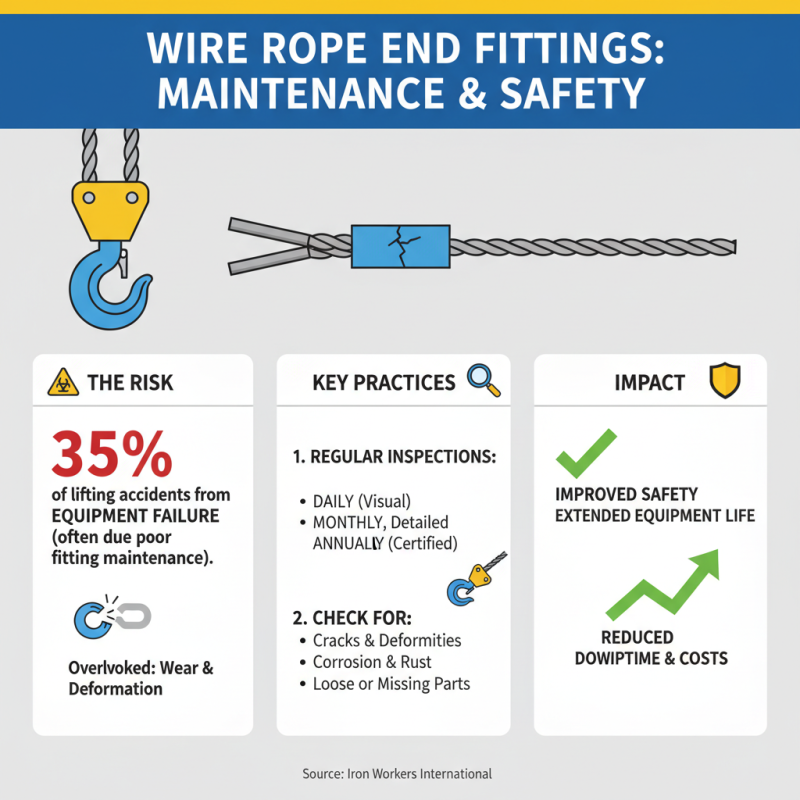
Wire rope end fittings play a crucial role in the overall safety and performance of lifting operations. According to the International Association of Bridge, Structural, Ornamental and Reinforcing Iron Workers, nearly 35% of accidents in lifting operations are attributed to equipment failure, much of which is related to improper maintenance of wire rope fittings. Regular inspections can identify wear and deformation, but many workers may overlook these crucial checks.
A comprehensive maintenance routine should include lubrication and cleaning. The Wire Rope Users Group emphasizes that 80% of wire rope failures can be avoided with proper care. Lubricants prevent rust and corrosion, prolonging the lifespan of fittings. Moreover, ensuring that fittings are installed correctly is essential; inappropriate angles or misplaced connections can lead to premature wear.
Training is equally important in ensuring safety practices. According to OSHA, well-trained personnel reduce workplace incidents by up to 50%. Staff should be educated on identifying issues with wire rope fittings. This includes understanding the different types of fittings and knowing when replacements are necessary. Regular drills and safety meetings can keep maintenance practices fresh in everyone’s mind. Recognizing that even small oversights can lead to significant safety risks is vital for projects involving wire rope end fittings.