Top 10 Wire Rope End Fitting Types for Your Next Project?
Choosing the right Wire Rope End Fitting is crucial for the success of any project involving cable systems. These fittings ensure the secure connection between the rope and the load it carries, influencing safety and performance. However, with numerous types available, making the right selection can be challenging. Understanding the properties and applications of each fitting type is essential for optimal results.
Wire Rope End Fittings come in various shapes and materials. Each type has unique strengths and weaknesses. For instance, some are better suited for heavy loads, while others are ideal for flexibility. Misjudging your project's requirements can lead to failures. It's vital to consider the specifics of your application, including weight limits and environmental conditions.
This guide explores the top 10 Wire Rope End Fitting types. It aims to provide clarity in your decision-making process. Each fitting will be discussed in detail, highlighting its best usage scenarios. By analyzing the advantages and limitations, you’ll be better equipped to make informed choices. Whether you're a seasoned professional or new to the field, knowledge of these fittings can greatly impact your next project.
Understanding Wire Rope End Fittings: An Overview
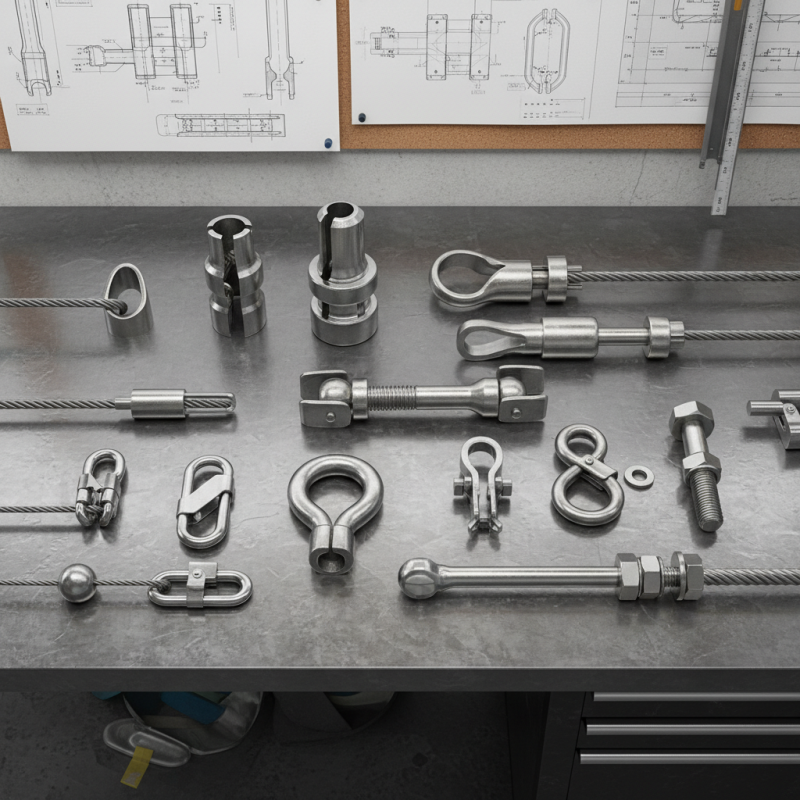
Wire rope end fittings are essential components for various lifting and rigging applications. They connect wire ropes to loads, ensuring safety and reliability. Different types of fittings suit different needs, and understanding these is crucial for successful projects.
Common types include swage fittings, screw pin shackles, and eye hooks. Each serves a unique purpose based on the load and environment. For instance, swage fittings provide a streamlined appearance, while screw pin shackles offer quick attachment and detachment. Misusing the wrong fitting can lead to accidents or project delays.
Choosing the right wire rope end fitting requires careful consideration. Factors such as load capacity, environmental conditions, and installation ease should be evaluated. Ensure that the fitting matches the wire rope diameter perfectly. Sometimes, a simple choice can make a significant difference. The right end fittings enhance safety, performance, and efficiency. But the complexity of options means project managers often overlook crucial details. Reflecting on your choices will lead to better results in future endeavors.
Top 10 Wire Rope End Fitting Types for Your Next Project
| Fitting Type |
Material |
Load Capacity (tons) |
Common Uses |
Advantages |
| Swage Fitting |
Steel |
5 |
Marine Applications |
Strong and durable |
| Wire Rope Clip |
Forged Steel |
4 |
Construction |
Easy to install |
| Thimble |
Plastic/Metal |
Varies |
Rigging |
Protects rope from wear |
| End Stop |
Stainless Steel |
3 |
Elevator Systems |
Prevents fraying |
| Loop Fitting |
Aluminum |
2 |
Tension Systems |
Lightweight |
| Screw Pin Shackle |
Steel |
6 |
Lifting |
Secure connection |
| Ball End Fitting |
Plastic |
1.5 |
Cables |
Flexible and versatile |
| Crimped Fittings |
Steel |
4.5 |
Industrial |
Strong and reliable |
| Wedge Socket |
Steel |
7 |
Wire Ropes |
High load capacity |
| Quick Link |
Steel |
3 |
Temporary Connections |
Quick and easy to use |
Common Types of Wire Rope End Fittings and Their Applications
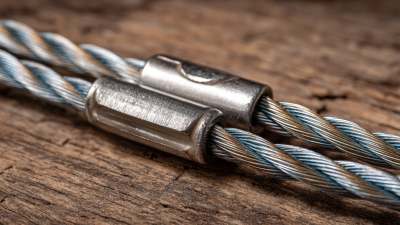
Wire rope end fittings are crucial for securing and connecting wire ropes in various applications. They come in several types, each with unique characteristics and uses. Common options include ferrules, swaged fittings, and thimbles. Ferrules are used to create loops at the end of wire ropes. They provide a secure grip. Swaged fittings are permanently attached and ensure a strong connection, making them suitable for heavy loads. Thimbles offer added support, especially in pulley systems.
Understanding the specific application is vital. Different projects require different fittings. For example, marine applications may benefit from corrosion-resistant materials. Construction projects often demand robust fittings that can withstand harsh conditions. Ensure the chosen fitting matches the load requirements of the project.
Tips: Always check the specifications before installation. Small miscalculations can lead to failures. Regular inspections ensure long-term performance. Consider consulting an expert for complex projects. They can provide insights into the proper fittings for your unique needs. Using the right resources boosts reliability and safety.
Factors to Consider When Selecting Wire Rope End Fittings
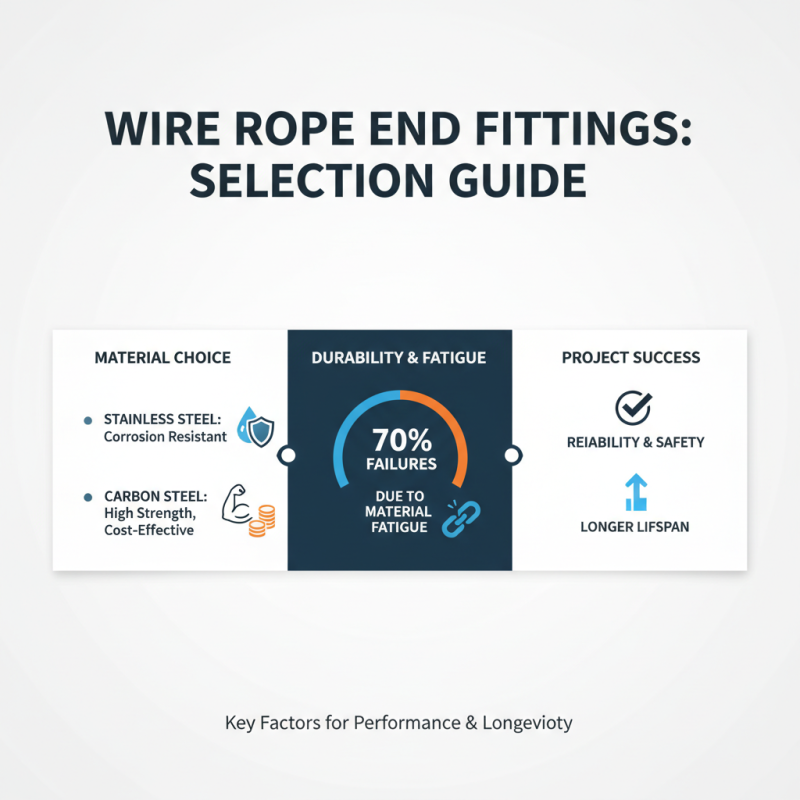
When selecting wire rope end fittings, several factors play a critical role in ensuring your project’s success. Material choice is paramount, as stainless steel is popular for its corrosion resistance. However, carbon steel fittings provide strength and are often more cost-effective. According to industry reports, over 70% of end fitting failures occur due to material fatigue, highlighting the importance of selecting durable materials.
Load capacity should align with your project's requirements. Many fittings have specific weight limits determined by their design. Using fittings below their rated capacity can lead to catastrophic failures. The American Society for Testing and Materials (ASTM) suggests that the working load limit should be calculated with at least a safety factor of five.
Tip: Evaluate your environment. Will your fittings face exposure to chemicals or extreme temperatures? These conditions can affect material integrity. Always inspect for visible wear or damage before installation.
Another consideration is the method of attachment. Some fittings require specialized tools or welding, while others allow for simple assembly. This can influence both time and cost during installation. Misalignment during assembly can also lead to significant issues down the line.
Tip: Always have a qualified professional review your connection points. Overlooking these details may result in increased maintenance costs and potential downtime.
Installation Techniques for Various Wire Rope End Fitting Types
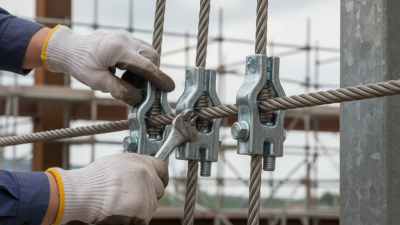
When working with wire rope end fittings, proper installation techniques are crucial for safety and performance. Different types of end fittings, such as swage fittings and terminal ends, require specific methods. For swaging, ensure you have the right tools. A swaging machine is essential for achieving a secure connection. Remember to check the alignment carefully to avoid any weak points.
Proper preparation of the wire rope is also vital. Inspect the rope for any fraying or damage before installing the fitting. A clean cut is necessary. It helps in achieving a snug fit. You may need to use a wire rope cutter designed for this task. Always wear safety gear when handling sharp tools or heavy materials.
Tips for installation include double-checking measurements before cutting. Even a small mistake can lead to major issues during use. Additionally, consider using a lubricant when inserting the fittings. It can help reduce friction and make the process smoother. Finally, take time to review installation guides specific to the fitting type you are using. Each has distinct requirements that affect performance and safety.
Maintenance Tips for Wire Rope End Fittings to Ensure Longevity
Wire rope end fittings are vital for many projects. Proper maintenance ensures they last longer and function effectively. Inspecting fittings regularly is critical. Look for signs of wear or corrosion. These issues can weaken the integrity of the ropes. If left unchecked, they could lead to failure during use.
Tips for maintaining wire rope end fittings include cleaning them frequently. Remove dirt and debris that can trap moisture. Lubricate the fittings to prevent rust. This simple step can extend their lifespan significantly. Ensure you keep records of inspections and maintenance activities. This practice helps in identifying patterns that may require attention.
Consider the environment where the fittings will be used. Harsh conditions can accelerate wear. You might need to conduct more frequent checks in such settings. Reflect on past experiences with your fittings. Understanding how they perform under stress can guide future maintenance. Don't overlook small issues; they can lead to bigger problems if ignored.