Top 10 Wire Rope End Fittings You Need to Know About?
Wire rope end fittings play a crucial role in various industries. These fittings are essential for securing wire ropes in lifting, rigging, and towing applications. Understanding the types available can help in making informed decisions.
There are numerous designs of wire rope end fittings. Each type has unique features and specific uses, which can be quite overwhelming. It is often a challenge to choose the right fitting for your needs. This requires balance between performance and safety standards.
Knowing the top wire rope end fittings is essential for safety and efficiency. In this article, we'll explore ten key fittings. We aim to provide insights into their strengths and weaknesses. This knowledge can guide you in selecting the most suitable options. Let’s dive into the details and discover the best choices available.
Overview of Wire Rope End Fittings and Their Applications
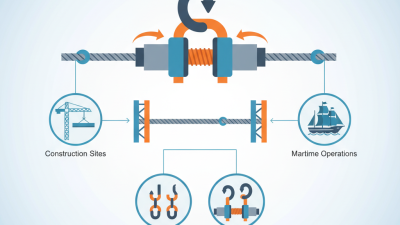
Wire rope end fittings play a crucial role in various industries. They connect wire ropes to machinery, equipment, or structures, providing essential strength and stability. Common applications include lifting, rigging, and suspension systems. Understanding different types of fittings can greatly improve safety and efficiency.
There are several wire rope end fittings available, each designed for specific tasks. For instance, thimbles help maintain the shape of the wire rope. Swaged fittings are used for a permanent connection. However, using the incorrect fitting can lead to failures. Regular inspections are vital to identify wear or damage, ensuring safe operation.
It's essential to consider the environment and the load conditions when selecting fittings. Extreme weather can affect the integrity of the fittings. Often overlooked, these factors contribute to the overall performance of the wire rope system. Misjudgments in fitting choice may lead to significant consequences. Always prioritize quality and suitability over convenience when selecting wire rope end fittings.
Common Types of Wire Rope End Fittings and Their Specifications
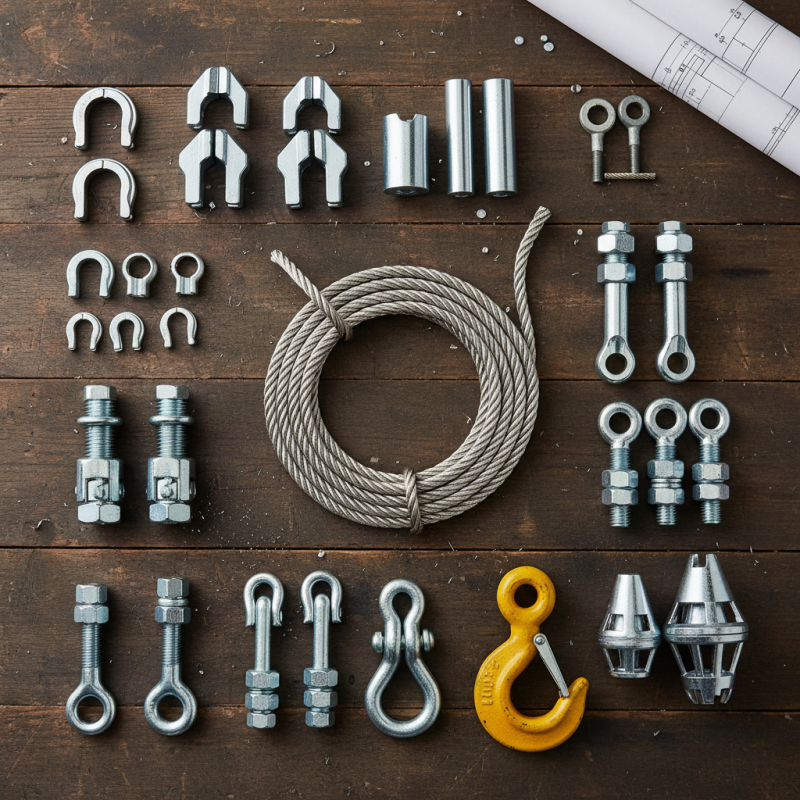
When it comes to wire rope end fittings, understanding their types and specifications is crucial for safety and functionality. There are several common types, including thimbles, clips, and swages. Each fitting has its own specifications that determine its strength and suitability for various applications. For instance, a thimble can improve the life of a wire rope by minimizing wear. According to industry reports, properly selected fittings can enhance load capacities by 20% or more.
Steel wire rope is often rated for specific tensile strengths. For example, a 1/4" wire rope can withstand loads ranging from 1,500 to 2,000 pounds. This variability highlights the need for careful selection of end fittings. Some may not hold up under extreme pressure, which could lead to failure. Research shows that improper fittings contribute to 30% of equipment failures in heavy lifting operations.
It’s important to consider the installation environment as well. Corrosive environments require different materials than those used in dry settings. Inspecting fittings regularly helps ensure safety. Many users overlook this aspect, leading to dangerous situations. Choosing the right wire rope end fitting is not just about strength; it involves foresight and responsibility in usage.
Material Composition and Strength Ratings of Wire Rope End Fittings
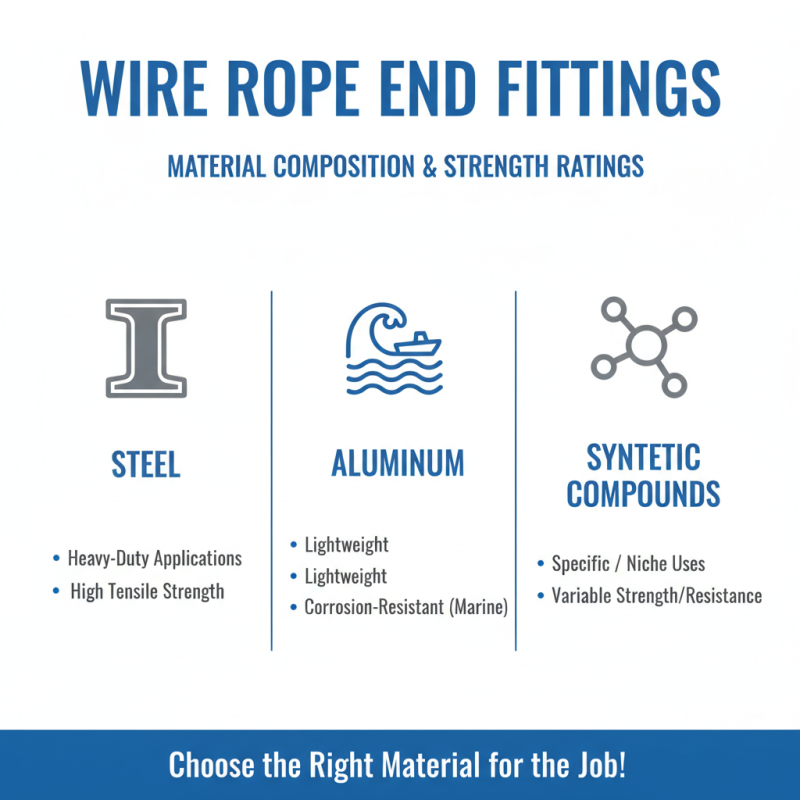
When selecting wire rope end fittings, the material composition plays a crucial role. Common materials include steel, aluminum, and synthetic compounds. Each material offers different strength ratings and corrosion resistance. Steel fittings are preferred for heavy-duty applications due to their high tensile strength. Aluminum fittings are lightweight and resist corrosion, ideal for marine environments.
Understanding strength ratings is essential. The working load limit (WLL) indicates the maximum safe load. It's important to choose fittings that exceed your expected load. Regular inspection is vital, as wear and tear can affect performance. Even high-quality fittings can fail without proper care.
Tips: Always verify the strength rating before purchase. Knowing the specifications helps in matching the right fitting to your wire rope. Keep an eye on maintenance; neglecting this can lead to failure. Regularly check for cracks or signs of damage.
Installation Methods and Best Practices for Wire Rope End Fittings
When dealing with wire rope end fittings, understanding installation methods is crucial. Proper installation ensures safety and longevity. Start by selecting the right type of fitting according to your application and load requirements. It's essential to check the compatibility of the wire rope with the fitting.
Tips: Always read the manufacturer’s instructions before installation. This can help you avoid costly mistakes. Use the correct tools for the job to ensure a secure connection. For instance, a swaging tool is vital for fittings that require compression.
Stay aware of common installation errors. Misalignment can lead to premature wear and failure. It is important to double-check all connections after installation. Regularly inspect fittings for signs of wear or damage. Look for frayed wires or loose fittings to prevent accidents. Over time, reflection on your past installations can reveal areas for improvement. This attention to detail enhances both effectiveness and safety.
Top 10 Wire Rope End Fittings You Need to Know About
Safety Standards and Regulatory Compliance for Wire Rope End Fittings
When it comes to wire rope end fittings, safety standards are crucial. These are not merely suggestions; they are mandatory. Compliance with these standards ensures that the fittings used in various applications, such as construction, shipping, and maintenance, provide the necessary safety and efficiency.
Regulatory bodies meticulously outline specifications for wire rope end fittings. These include tensile strength, durability, and resistance to environmental factors. For example, choosing fittings with corrosion-resistant coatings can significantly extend their lifespan. However, not all fittings meet these rigorous requirements. It’s essential to verify the specifications and test results from reputable sources. Always consult experts when selecting fittings to ensure they align with safety protocols.
Many projects overlook the importance of adequate testing. Relying solely on manufacturer claims can lead to oversights. Regular inspections and audits of wire rope systems are often neglected, leading to potential hazards. It is vital to create a culture of safety where every team member understands the implications of using subpar fittings. Each detail matters in the pursuit of safety and compliance.