Leave Your Message

What Is an Underground Cable Pulling Sock?

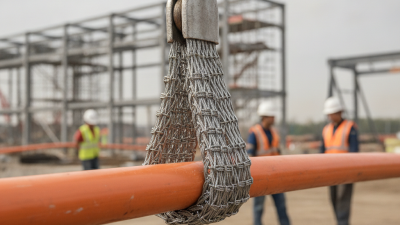
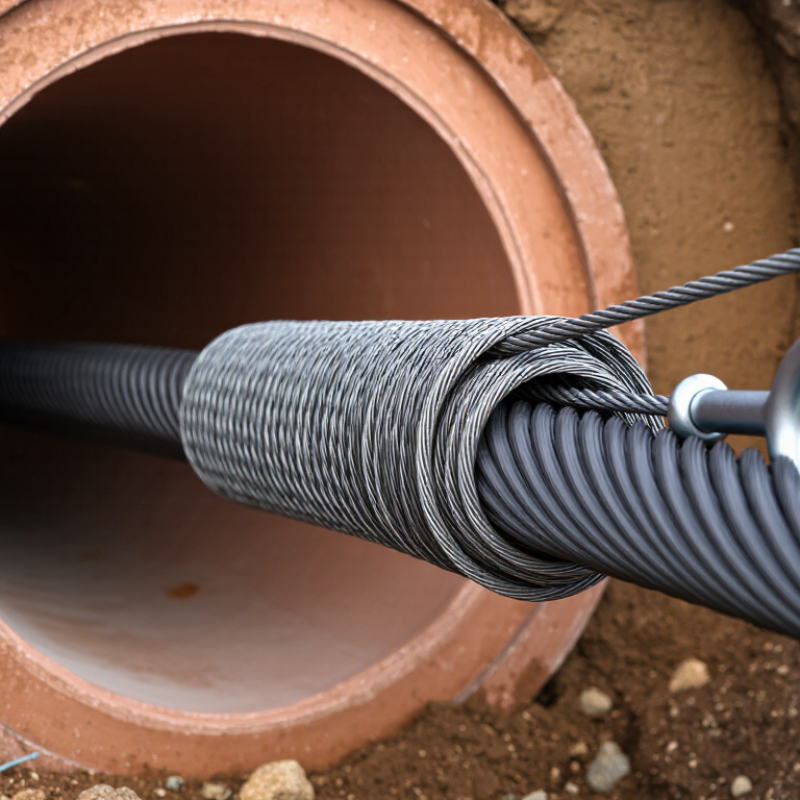
An Underground Cable Pulling Sock is a woven mesh grip fitted over a cable end during installation. It connects the cable to a pulling line, helping crews guide it through underground duct and conduit. As pulling tension increases, the mesh tightens around the cable. A correctly matched sock distributes the load across its covered section rather than concentrating force at one small point.

On site, the details matter. The sock must fit the cable’s diameter and suit the planned pull. Installers should check the mesh, end connection, and cable jacket before work begins. A loose fit can slip. A damaged strand deserves attention. The pulling setup, cable limits, and manufacturer’s instructions all matter too; the sock alone cannot prevent every installation problem.

This guide explains how an Underground Cable Pulling Sock works, where it fits in a pulling setup, and what to check before use. It also considers common selection and inspection mistakes. One detail needs verification: no source was provided for a named industry expert’s quotation, so attributing a sentence to a person here would risk inventing a claim. For a reliable expert quote, use a traceable interview or published technical source. Field experience is valuable. So is checking the source.
What Is an Underground Cable Pulling Sock?

Definition and Purpose of an Underground Cable Pulling Sock

An underground cable pulling sock is a temporary mesh grip fitted over a cable end before the cable is drawn through a buried duct or conduit. Its woven sleeve tightens around the cable under tension, connecting it to a pulling rope. Many designs have an eye for attaching a link or swivel. The sock does not power the pull. It helps transfer force across more of the cable end than a knot or improvised attachment would.

Fit matters. The grip should suit the cable’s outside diameter, construction, and permitted pulling load. A loose sock may slip, while a poorly fitted one can mark the outer jacket. Before pulling, check the mesh for damage, confirm the eye is secure, and prepare the cable end as specified. Bends, grit, and standing water inside a duct can increase resistance. A suitable sock cannot compensate for excessive tension or a blocked route. Not magic. It is one connection tool among several, and the duct path is easy to underestimate.
What Is an Underground Cable Pulling Sock?

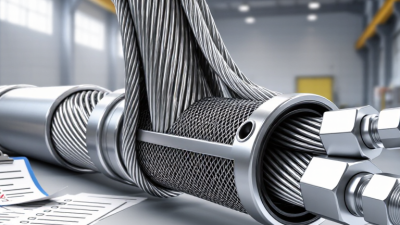
A cable pulling sock is a woven-wire mesh grip fitted over a cable end. When tension is applied through its pulling eye, the mesh tightens around the cable jacket to help transfer the pulling load as the cable is drawn through an underground duct or conduit.

The chart shows the typical order of use, not measured force, duration, or performance. Follow the sock manufacturer’s instructions and ensure the grip is correctly sized for the cable.

Key Components and How the Sock Grips a Cable

An underground cable pulling sock is a flexible mesh grip fitted over a cable end before a pull through conduit or a trench. Its main parts are the woven grip body, a closed or looped pulling eye, and an open entry that lets the cable slide inside. Some designs include a reinforced eye or a short protective sleeve near the cable end. Details vary, so check the rated load and cable-size range before use.

The mesh is often made from interlaced metal wires. As pulling force reaches the eye, the mesh lengthens and tightens around the cable jacket. This spreads contact along the cable instead of concentrating force at one small clamp point. The sock should feel snug, not loose or sharply pinched. A grip that is too large may creep during a pull around a bend; one that is too small may be hard to fit or stress the jacket. Inspect for broken wires, align the eye with the pulling line, and seat the cable to the specified depth. Even a good fit is not a guarantee. Dirt, moisture, jacket damage, or a sudden snag can affect grip, so test the setup under light tension before pulling.

What Is an Underground Cable Pulling Sock? - Key Components and How the Sock Grips a Cable

Component or Feature What It Is How It Works During a Pull Practical Consideration
Mesh body A flexible tubular sleeve made from interlaced high-strength strands, commonly steel wire or synthetic fibers, depending on the sock design. The mesh surrounds the cable and distributes pulling force over a section of its outer surface. Choose a design suited to the cable’s outside diameter, construction, and installation conditions.
Cable entry end The open end through which the cable is inserted into the sock. As the sock is moved over the cable, the mesh expands enough to admit it; tension on the pulling end then helps the mesh contract around it. Insert the cable to the depth specified for the sock, and check that the mesh is not twisted or bunched.
Grip section The portion of the woven sleeve that contacts and encircles the cable jacket. When pulling tension is applied, the woven strands tend to elongate and narrow, tightening around the cable. This action creates a distributed friction grip rather than relying on teeth or a rigid clamp. A suitable fit and adequate contact length help the sock hold; a loose or incorrectly sized sock may slip.
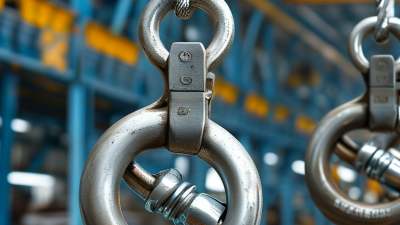
Pulling eye or attachment point A loop or eye at the pulling end, formed or attached as part of the assembly. Connects the sock to a pulling line, swivel, or other compatible pulling equipment so force can be transferred to the mesh. Use compatible, properly rated connections, and inspect the eye and connection before use.
Strand weave The pattern and arrangement of strands that form the sleeve; designs vary by application and load requirements. The interlaced strands share tension around the sleeve and help it conform to the cable as the pulling force increases. Do not assume that all mesh patterns have the same capacity or are appropriate for every cable type.
Cable jacket interface The contact area between the sock’s inner mesh and the cable’s outer jacket. Friction at this interface helps resist relative movement while the sock transfers the pulling load. Keep the jacket clean and undamaged, and follow the cable and sock manufacturers’ guidance for allowable pulling loads.
Overall sizing and load rating Specifications that indicate the cable diameter range and the sock’s rated working capacity. Correct sizing allows the sleeve to seat and tighten as intended; the rating defines the limits for safe use when applied according to instructions. Verify cable diameter, sock condition, connection ratings, and the planned pulling load before installation.

How to Attach and Use a Cable Pulling Sock

What Is an Underground Cable Pulling Sock?

An underground cable pulling sock is a flexible, braided mesh sleeve that grips a cable during installation. Pulling tension tightens the mesh around the cable jacket, helping crews move it through conduit or a duct. The sock does not make a cable stronger. Check the cable and sock ratings before work begins.

How to Attach and Use a Cable Pulling Sock

Choose a sock that matches the cable’s diameter and the expected pulling load. Inspect the mesh, eye, and connection point for cuts, distortion, or corrosion. Slide the sock over a clean, dry cable end, leaving enough room for the mesh to expand evenly. No twisting.

Pull the sleeve gently toward the cable end so it grips firmly. Connect its eye to a rated pulling rope, often through a suitable swivel. Keep the connection aligned with the cable to reduce snagging. It is easy to rush this part. Check that no jacket is folded or trapped beneath the braid.

Before pulling, confirm the route is clear and the conduit entrance has no sharp edges. Use steady tension, and keep hands away from moving rope and equipment. One person should watch the cable at the entry point and signal if it catches. Stop if the sock slips, the jacket deforms, or resistance rises unexpectedly. Recheck the setup rather than forcing the cable through.

Common Applications in Underground Cable Installation

An underground cable pulling sock is a flexible mesh grip fitted over a cable end. As the pulling line tightens, the mesh grips the cable jacket and transfers pulling force along a wider area than a small clamp would. The fit matters. Crews select a sock to match the cable’s outside diameter, jacket, and expected load; a loose or poorly matched grip can slip or damage the sheath. The sock helps move cable through ducts, conduit, and cable trays, but it cannot prevent damage from excessive tension, sharp bends, or high sidewall pressure.

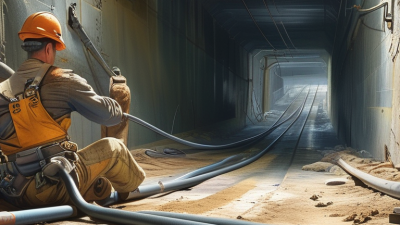
Common applications include duct banks beneath roads, utility runs between manholes, building service entrances, and cable routes inside substations. In crowded ducts, a sock can help guide a cable past bends while workers monitor pulling tension and cable movement. IEEE 1185-2019 addresses cable-installation factors such as pulling tension and bend radius. The U.S. Department of Energy’s 2023 National Transmission Needs Study projects that, in a high-clean-energy scenario, interregional transfer capacity may need to reach 2.4 times its 2020 level by 2035. That projection is not an underground-cable forecast, but it signals growing transmission demands. Site conditions still decide whether a pulling sock is suitable. A careful fit check is easy to overlook, and it deserves more attention.

How to Select and Inspect a Pulling Sock Safely

An underground cable pulling sock is a braided mesh grip that transfers pulling force to a cable jacket.

Choose one by cable outside diameter, grip length, end fitting, and rated pulling capacity. The mesh should sit snugly without crushing the jacket or slipping when tension rises.

Check the cable maker’s maximum pulling tension and the sock’s documented working load; do not treat a lifting rating as a pulling rating. Fit matters. A sock that looks close enough may still load the jacket unevenly.

Inspect it before each pull under good light. Look for broken or flattened wires, corrosion, frayed mesh, stretched loops, loose fittings, and sharp burrs. Reject damaged gear; do not improvise repairs with tape or wire.

Confirm that the grip is fully seated, the pulling eye is compatible, and the cable path has no snagging edges.

BLS recorded 1,075 fatal work injuries in construction and extraction occupations in 2023, in its Census of Fatal Occupational Injuries. That broad figure is not specific to cable pulling, but it underscores why routine checks matter.

A practical detail is easy to miss: dirt can hide small wire breaks. Clean the mesh enough to inspect it, then check again after a hard or interrupted pull.