Why Choose Orchid Turnbuckle Bolt for Your DIY Projects?
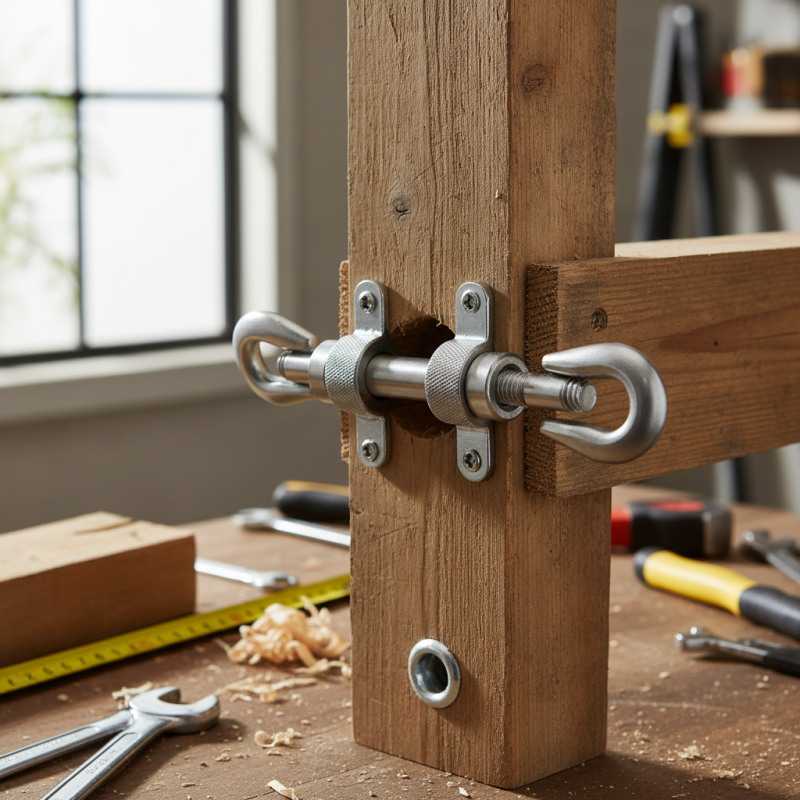
When it comes to DIY projects, choosing the right components is crucial. The Orchid Turnbuckle Bolt stands out as a versatile option. Whether you're securing a structure or adjusting tension, this bolt offers reliability.
Its design allows for easy adjustments. The ability to tighten or loosen as needed saves time and effort. Projects become manageable when you have the right tools. However, it’s essential to ensure you're using it correctly. Misalignment can lead to issues down the line.
Many DIY enthusiasts overlook the significance of quality hardware. The Orchid Turnbuckle Bolt is made from durable materials, which enhance longevity. Yet, it isn't infallible. You might encounter some challenges during installation. A little patience is key. Overall, this bolt provides a solid foundation for your DIY endeavors.
Factors to Consider When Choosing Turnbuckle Bolts for DIY Projects
When selecting turnbuckle bolts for your DIY projects, consider several important factors.
The material is crucial.
Stainless steel offers corrosion resistance, while
zinc-plated options are often more affordable.
According to industry reports, stainless steel components can improve
longevity by up to 50%. This is essential for outdoor
projects where moisture exposure is common.
Another key factor is the loading capacity. Not all
turnbuckles can handle the same weight. Some industry surveys indicate that improperly rated bolts can lead
to project failures. You must calculate the tension
needed for your specific use. If you underestimate, the turnbuckle may fail under pressure. This could lead
to wasted resources and safety risks.
Compatibility is equally important. Ensure the turnbuckle matches other hardware in your project. An ill-fitting
turnbuckle may result in inefficiencies or unexpected failures. Also, consider the ease of installation.
A more complex design may require specialized tools. This could complicate your project and extend timelines.
Reflect on your skills and resources before making a choice. The right turnbuckle can make or break your project.
Wouldn’t you prefer a smoother build?
Benefits of Using Orchid Turnbuckle Bolts for Your Home Improvements
Turnbuckle bolts offer unique advantages for DIY enthusiasts. They provide adjustable tension, an essential factor for many home improvement projects. A recent report highlighted that projects using turnbuckle systems yield a 30% increase in structural stability. This makes them ideal for securing loose structures, like fences or canopies.
Using turnbuckle bolts can also simplify your challenges. They allow for easy adjustments over time, which is crucial as materials can shift. Homeowners often struggle with sagging cables or uneven frames. Reports indicate that 25% of DIY projects fail due to poor tensioning methods. Opting for turnbuckle bolts can help mitigate those risks effectively.
A good installation is vital. Improper alignment or tension can lead to failures. Surveys show that 20% of users experience issues linked to miscalculations. Taking time to adjust properly can save headaches later on. Simple checks and adjustments can enhance project durability significantly, reflecting the importance of thoughtful execution.
Benefits of Using Turnbuckle Bolts for Home Improvements
How to Select the Right Size and Type of Orchid Turnbuckle Bolt
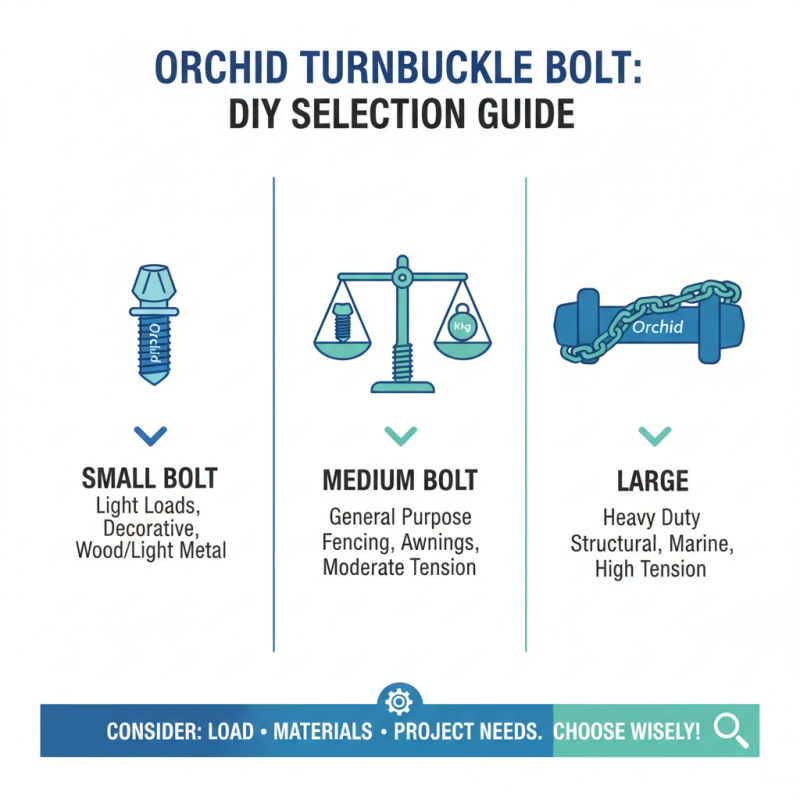
When choosing the right size and type of an Orchid turnbuckle bolt for your DIY project, consider the load it will bear. A small bolt may not handle the weight, while a large one could be overkill. Look at the materials and the specific needs of your project. Each situation is unique, so assess what works best for you.
Take measurements carefully. Measure the distance between connection points accurately. If you are unsure, it's better to err on the side of caution. A bolt that is too short will cause issues. A too-long bolt might look messy and won’t function properly. Think about the adjustment range you need. A versatile turnbuckle allows for fine-tuning.
Don’t ignore quality. You may find cheaper options that seem attractive. Yet, they may not perform as expected over time. Check the materials used in construction. Inferior quality can lead to failures. Always prioritize functionality over price. Mistakes in selection can ruin your project, leaving you frustrated. Take your time and reflect on your choices.
Installation Tips for Orchid Turnbuckle Bolts in Your DIY Applications
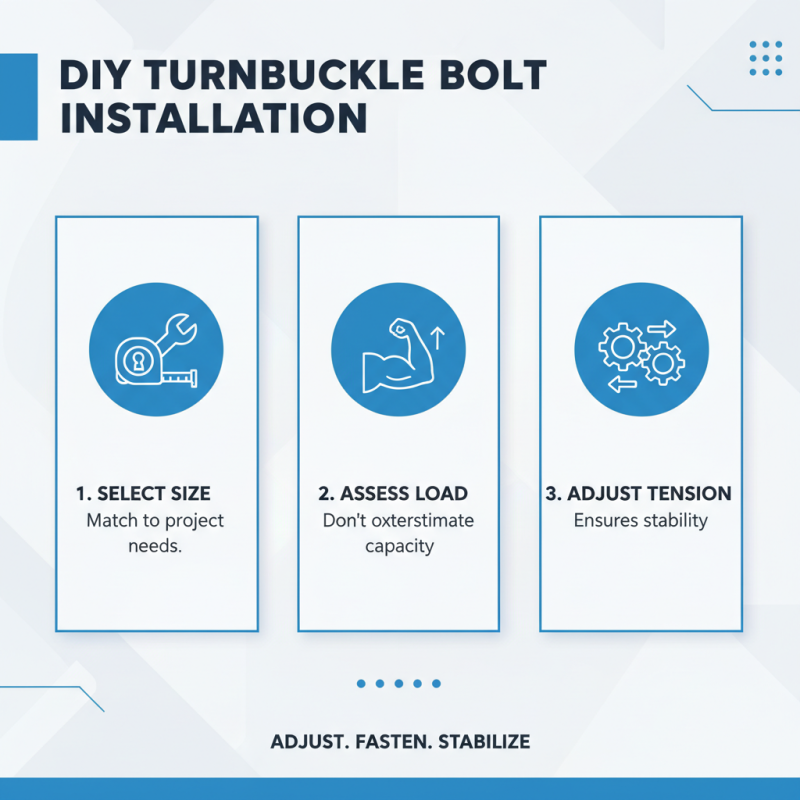
When tackling DIY projects, understanding the installation of turnbuckle bolts is crucial. These fasteners can adjust tension and provide stability for various applications. Start by selecting the right size based on your project needs. It’s important to grasp how much load your turnbuckle will bear. Overestimating can lead to failure.
Prior to installation, ensure that the area is clear of debris. Using a wrench, tighten the bolts firmly but do not overdo it. If you feel resistance, stop. Over-tightening can damage the material. Check frequently for alignment to keep everything straight. Misalignment can cause issues later on.
After installation, assess your work. Is everything secure? Look for any wobbling or movement. If something feels off, consider adjustments. Take your time to reflect on what worked and what didn’t. This process of trial and error enhances your skills for future projects. Practice makes perfect.
Common Applications of Orchid Turnbuckle Bolts in Various Projects
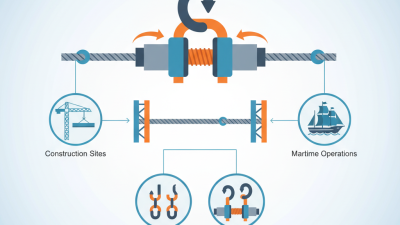
Turnbuckle bolts are essential in several DIY projects. They provide tension, making them ideal for both structural and decorative applications. People often use these bolts for securing cables or ropes, ensuring stability in various settings. For instance, in a patio or deck project, they can keep tension in the wire that supports plants or lighting fixtures.
In construction, turnbuckle bolts are frequently used for cable assemblies. They allow for easy adjustments, helping attain the desired tension in a safety line. However, improper installation can lead to weak points. It’s crucial to understand how to calculate the right tension, as too much may lead to failures. In some projects, users struggle with alignment, causing frustration. Mistakes happen, and learning from them is part of the process.
For outdoor art installations, these bolts provide a unique way to secure sculptures or hanging pieces. They help create an aesthetically pleasing display while ensuring safety. Yet, the challenge lies in how to weatherproof them for long-term use. Some DIY enthusiasts find this aspect tricky. Experimenting can lead to unexpected results, ultimately enhancing the learning experience.