Why Choose Stainless Steel Cord Grip for Your Needs?
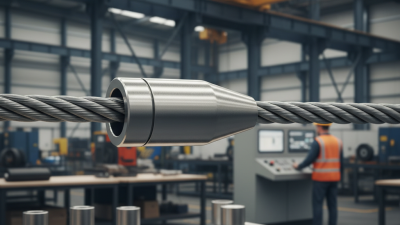
The choice of materials in industrial applications can greatly impact performance and durability. This is where the Stainless Steel Cord Grip stands out. It combines strength with versatility, making it ideal for various environments.
Stainless Steel Cord Grips are built to withstand harsh conditions. They resist corrosion, which is crucial in many industries. With a solid grip, these components ensure safety and reliability.
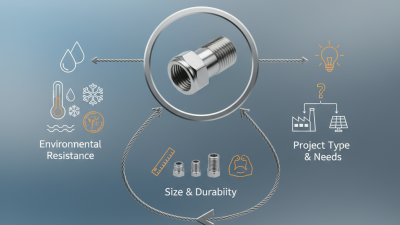
Yet, not every option fits every need. It is essential to analyze your specific requirements before selecting a cord grip. Consider factors like load, environment, and long-term use. A thoughtful choice leads to improved efficiency and reduced maintenance costs in the long run.
Benefits of Stainless Steel Cord Grips for Electrical Applications
Stainless steel cord grips offer unique advantages for electrical applications. They provide robust strain relief, which prevents damage to electrical wires and cables. According to a recent industry report by the National Electrical Manufacturers Association (NEMA), over 30% of electrical failures are due to cable stress. Using stainless steel can significantly reduce this risk.
These cord grips are resistant to corrosion and environmental factors. This resistance extends their lifespan and maintains performance, even in harsh conditions. Data from the International Electrotechnical Commission (IEC) shows that stainless steel components have a failure rate of only 2% over ten years, compared to 10% for plastic alternatives.
Beyond durability, stainless steel cord grips maintain electrical conductivity and can handle significant loads. They can support a variety of cable types and widths, making them versatile. Anecdotal evidence suggests electricians prefer them for their reliability in critical installations. However, they may require proper installation techniques to prevent potential issues. Inadequate installation can lead to vulnerabilities, reminding us of the importance of skilled technicians.
Why Choose Stainless Steel Cord Grip for Your Needs?
| Feature |
Description |
Benefits |
| Durability |
Resistant to corrosion and wear |
Longer life span and reduced maintenance costs |
| Temperature Resistance |
Capable of withstanding high temperatures |
Reliable in extreme environments |
| Versatility |
Applicable in various electrical setups |
Flexibility for diverse projects |
| Safety |
Prevents electrical shock and connections failure |
Enhanced protection for users |
| Aesthetic Appeal |
Modern and sleek appearance |
Improves overall project aesthetics |
Durability and Corrosion Resistance of Stainless Steel Materials
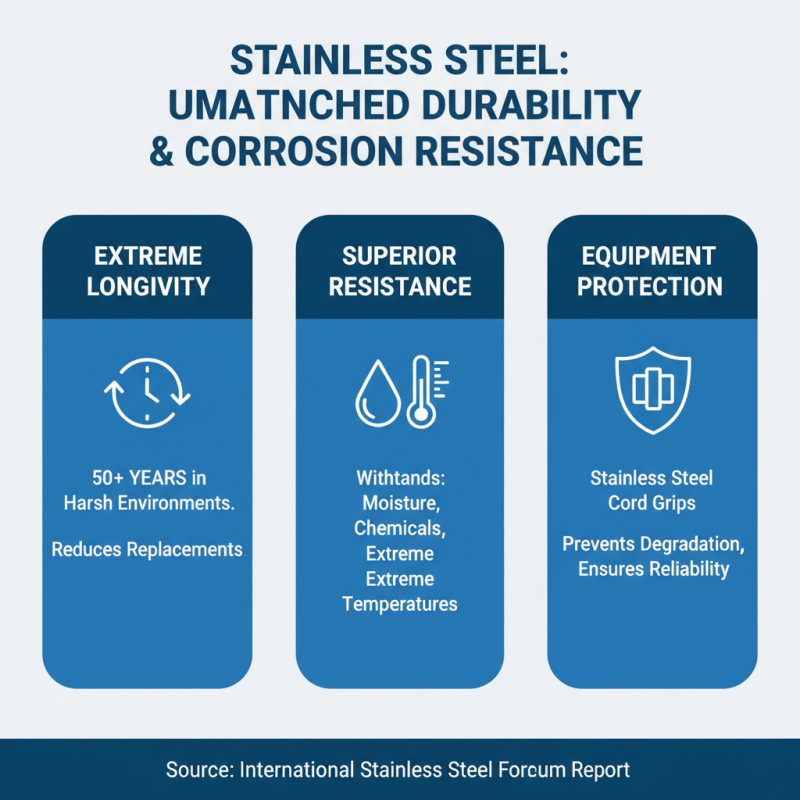
Stainless steel is well-known for its durability and corrosion resistance. According to a report by the International Stainless Steel Forum, stainless steel can last over 50 years in harsh environments. This longevity greatly reduces the need for regular replacements or maintenance. Using stainless steel cord grips ensures that your equipment can withstand exposure to moisture, chemicals, and extreme temperatures without degrading.
One practical tip is choosing the right grade of stainless steel. For marine environments, consider using grade 316. It offers superior corrosion resistance compared to other grades, especially when dealing with saltwater. Keep in mind that the initial investment in stainless steel may be higher. However, the long-term savings in maintenance and replacement costs can be significant.
Another important consideration is the installation process. Improperly installed cord grips can lead to failures. Ensure that you follow best practices for installation, such as using the correct tools and techniques for your specific application. This attention to detail can enhance the lifespan and performance of your stainless steel fittings. Sometimes, re-evaluating your installation methods or material choice leads to better outcomes.
How Stainless Steel Cord Grips Enhance Safety in Wiring Systems
Stainless steel cord grips play a crucial role in enhancing safety within wiring systems. According to industry reports, improper wiring can lead to electrical fires in 23,000 homes each year in the U.S. alone. Poor grip quality may lead to loose connections, which can increase electrical resistance and generate heat. This is where stainless steel cord grips shine.
These grips provide superior corrosion resistance compared to other materials. The National Electrical Manufacturers Association reports that 94% of failures in electrical components can be traced back to material degradation. Stainless steel's durability ensures long-lasting performance, reducing the likelihood of unexpected outages or failures in critical systems. Additionally, their robust design helps maintain the integrity of wiring, even under extreme conditions.
Implementing stainless steel cord grips can be a game-changer. However, it’s vital to ensure they are correctly installed. Misalignment or improper tension can lead to failures, potentially compromising safety. Regular inspections are necessary to prevent these issues. Investing in high-quality materials is essential, but ongoing maintenance cannot be overlooked.
Why Choose Stainless Steel Cord Grip for Your Needs?
Versatility of Stainless Steel Cord Grips in Various Industries
Stainless steel cord grips find extensive application across various industries due to their unique properties. In the electrical sector, their resistance to corrosion ensures reliable protection for cables in harsh environments. According to industry reports, around 30% of electrical failures stem from improper cable management. Using durable cord grips mitigates such risks significantly.
In the telecommunications field, stainless steel cord grips provide support and stability for critical installations. The low maintenance requirements save companies time and money. Data suggests that maintenance costs can be reduced by as much as 25% with proper cable management practices. Ensuring the right grip type for varying cable sizes enhances performance and safety.
Tips: Always check the corrosion resistance rating before purchase. This advice cannot be overstated, especially in coastal areas. When selecting cord grips, consider the specific weight and strain of your cables. Understanding these factors can prevent future issues. Even minor discrepancies in choice can lead to failures.
Installation Tips for Stainless Steel Cord Grips to Ensure Effectiveness
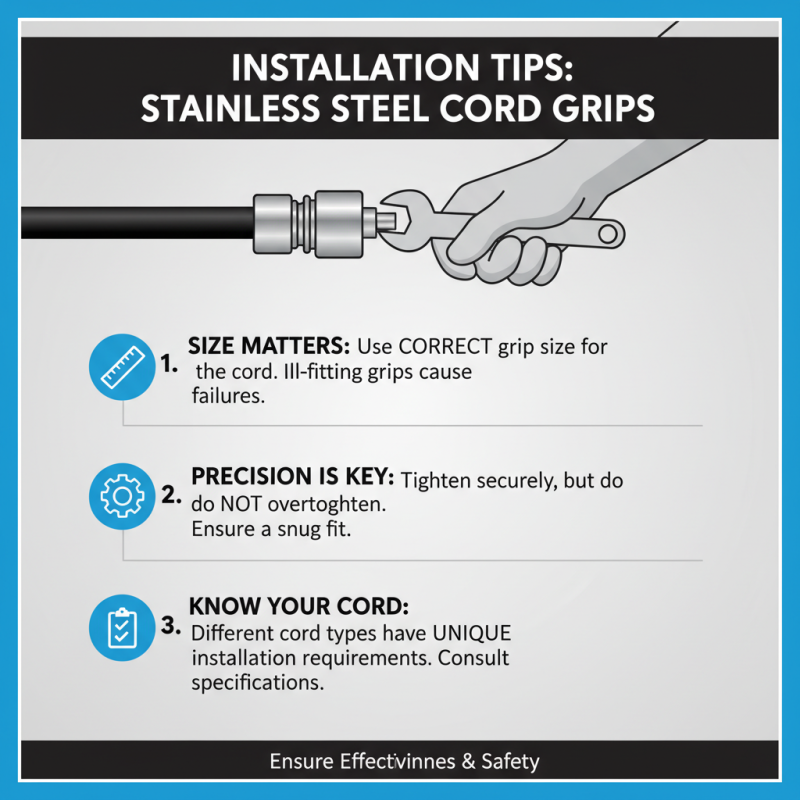
When it comes to installing stainless steel cord grips, precision is key. Ensure that the grip is appropriately sized for the cord you are using. An ill-fitting grip can lead to failures or safety hazards. Familiarize yourself with the specific requirements for the cord type, as different cords have distinct installation needs.
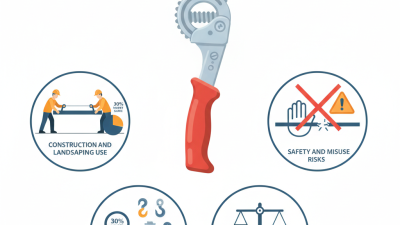
One important tip is to follow the manufacturer's guidelines closely. Proper torque settings during installation are crucial for maintaining the integrity of your grip. Use a torque wrench for accuracy. Over-tightening can damage both the grip and the cord.
Moreover, always inspect the installation area for any debris or contaminants. A clean surface ensures a better seal and performance. Regular maintenance checks will help identify any wear or tear early, allowing for timely replacements. Remember, a small oversight can lead to significant issues down the line.