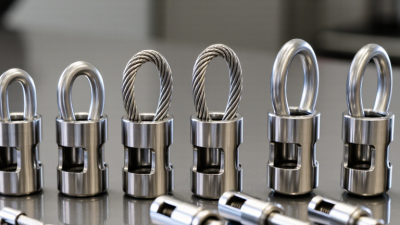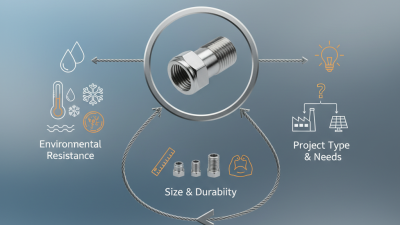
Global electricity demand is entering a stronger growth cycle. The International Energy Agency’s Electricity 2024 report projected around 4% annual demand growth through 2026. Data centers, renewable projects, factories, and transport electrification are increasing cable-entry requirements. Reliable accessories now matter more than their small size suggests.
A Split Cord Grip helps protect cables where they enter equipment, enclosures, panels, and outdoor systems. It can reduce bending stress, limit dust and moisture entry, and support cleaner installation work. The right design depends on cable diameter, jacket material, thread type, sealing range, temperature, and enclosure conditions. Small details matter.
They often decide performance.
For global buyers, China offers broad manufacturing capacity and flexible customization. However, the lowest quotation may hide inconsistent clamping force, weak materials, or unclear inspection records. A dependable supplier should provide dimensional drawings, material specifications, production samples, batch traceability, and practical test evidence. Claims should be checked against applicable standards, including relevant IEC, UL, or regional requirements. Certification alone does not guarantee every product configuration.
Market research from Grand View Research and MarketsandMarkets continues to show expanding demand across cable management and electrical enclosure applications. These reports describe wider market trends, not direct proof of any supplier’s quality. That distinction is important. Buyers should compare sealing performance, IP test results, corrosion resistance, packaging, lead time, and after-sales response. Factory audits and sample validation remain useful, even when a catalog looks professional.
No supplier is perfect. A serious partner admits product limits and improves them. This guide examines how to identify China’s best Split Cord Grip supplier through engineering capability, quality control, compliance awareness, and long-term delivery reliability.
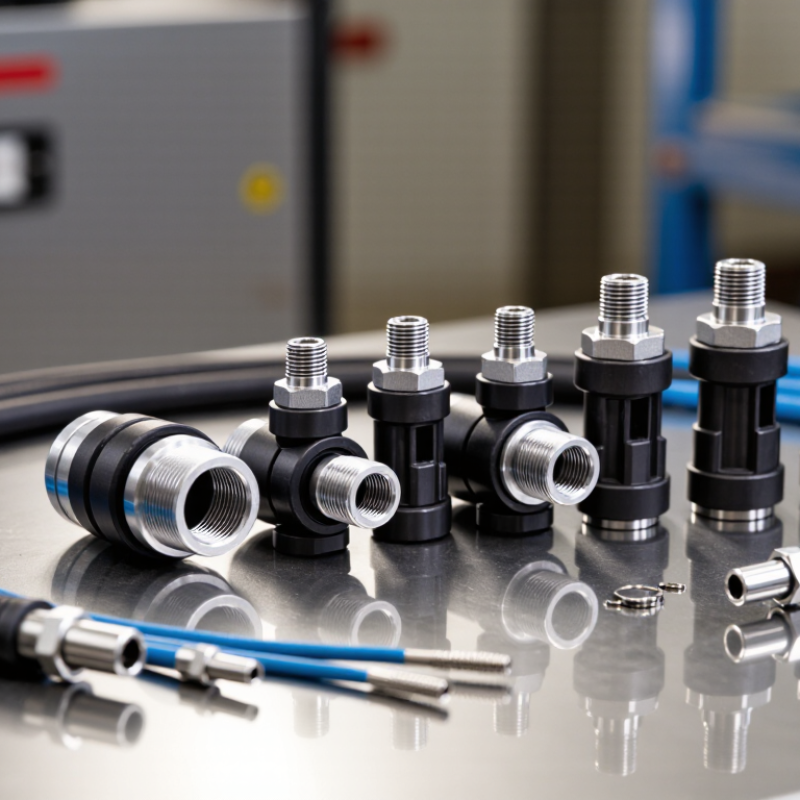
A split cord grip is a cable support device with a separable mesh or body. It can be installed around an existing cable without removing the connector. This feature saves time during maintenance and reduces unnecessary rewiring. The grip usually includes a flexible braided section, a split closure, and an end fitting. When tightened, the mesh gathers around the cable and distributes pulling force across many strands.
It works by transferring cable tension to the grip, rather than to terminals or internal conductors. A properly selected model also limits sharp bending near the entry point. During installation, technicians should check cable diameter, material, working load, and attachment style. The closure must sit evenly. Uneven tightening can create pressure points. Small details matter.
From practical inspection experience, many failures begin with incorrect sizing. A grip that feels tight may still slip under vibration. A loose grip may allow movement and abrasion. Reliable suppliers should provide dimensional drawings, load data, material details, and sample testing. Factory inspection can also verify braid quality, closure strength, and fitting consistency. However, published data is not enough by itself. Real installation conditions may differ from laboratory tests. Buyers should review temperature, moisture, movement, and cable weight before placing a large order. A thoughtful supplier will discuss these limits instead of promising that one design fits every project.
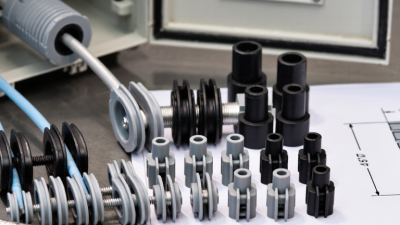
High-quality split cord grips should make installation secure, clean, and repeatable. In field applications, I look for a flexible split design that opens without removing the cable connector. This saves time inside crowded control panels. The grip must match the cable’s outer diameter closely. A loose fit can reduce strain relief and allow moisture or dust to enter.
Strong materials matter. Nickel-plated brass offers durability, while engineering polymers can reduce weight and resist corrosion. The split seal should compress evenly around the cable, without sharp edges or visible gaps. Reliable products also provide stable thread dimensions, smooth cable entry, and clear size markings. Small details make a difference. A textured surface can improve tightening by hand.
A dependable supplier should provide material data, dimensional drawings, test records, and practical installation guidance. These documents help buyers compare products instead of trusting attractive photographs. I also recommend checking performance across heat, vibration, and repeated bending. No cord grip is perfect. A catalog size may still fail when the cable jacket is unusually soft or oval. Sample testing remains worthwhile, especially for export projects with different enclosure designs and operating conditions. Clear inspection standards and responsive technical support show real manufacturing experience.
The chart highlights protection levels commonly used when evaluating cable-entry components. Under IEC 60529, level 6 represents dust-tight protection, while level 8 represents protection against continuous water immersion under conditions specified by the manufacturer. Buyers should also verify material compatibility, strain relief performance, sealing range, and documented test conditions.
Why Choose a Chinese Split Cord Grip Supplier?
Chinese suppliers combine mature metalworking, injection molding, and cable-accessory production in one manufacturing network. MarketsandMarkets estimated the global cable glands market at about USD 2.7 billion in 2023, with continued growth expected through 2028. This demand encourages factories to improve tooling, testing, and production consistency. In practice, buyers can request stainless steel, nylon, or nickel-plated brass grips with tailored thread sizes and sealing ranges. Samples often move quickly because nearby component suppliers reduce waiting time. Speed matters during installation changes.
Quality still requires evidence. A capable supplier should provide material certificates, dimensional inspection records, torque results, and pull-out test data. IEC 62444 offers a recognized framework for cable gland performance, including mechanical retention and environmental protection. SGS’s 2023 global inspection data reported recurring manufacturing risks involving documentation gaps and inconsistent process control. That is why an experienced buyer should audit production records, not trust polished photographs. Ask for batch traceability. Check the seal by hand.
Cost is another reason to consider China, but the lowest quotation can be misleading. Tooling changes, packaging, inspection, and replacement terms affect total cost. A supplier with ISO 9001-based procedures may offer better repeatability, although certification alone proves little. I would still test pilot samples under vibration, moisture, and temperature cycling. Small weaknesses appear there. Some suppliers may communicate imperfectly, and drawings can be misunderstood. Clear technical files, signed samples, and measured tolerances reduce that risk.
| Evaluation Dimension | Typical Capability of an Established Chinese Split Cord Grip Supplier | Common Alternative Sourcing Scenario | Value for Global Buyers |
|---|---|---|---|
| Product Structure | Split cord grips are available in designs that can be installed around an existing cable without removing the connector. The grip normally includes a split body, hardware, and a strain-relief element. | Non-split grips generally require the cable end or connector to be removed before installation. | Suitable for maintenance, retrofit, and replacement work where cable disconnection is undesirable. |
| Material Options | Common options include stainless steel, galvanized steel, nickel-plated copper, and other application-specific metal components. Material selection should be confirmed against the quotation and technical drawing. | Some suppliers offer a narrower material range or standardize on one metal finish. | Buyers can match corrosion resistance, mechanical strength, appearance, and project cost to the application. |
| Cable Diameter Range | Application-specific Typical catalog ranges may cover small control cables through larger power and industrial cables. The exact gripping range must be selected from the product datasheet. |
Stock availability may be limited to a smaller number of fixed sizes. | More size choices help reduce the need for adapters and improve cable retention. |
| Customization | Customization may include cable range, thread type, split configuration, material, surface finish, mounting dimensions, packaging, and private-label documentation. | Standard products may be available more quickly but provide fewer design changes. | Useful for OEM equipment, project-specific assemblies, and regional installation requirements. |
| Manufacturing Flexibility | Chinese industrial suppliers commonly combine stamping, wire forming, machining, surface treatment, assembly, and packaging through coordinated production resources. | Single-process suppliers may depend more heavily on external subcontractors for additional operations. | Integrated coordination can simplify technical communication and reduce the number of purchasing interfaces. |
| Quality Control | Recommended controls include incoming material inspection, dimensional checks, thread verification, visual inspection, load or pull testing, and final sampling before shipment. | Inspection depth varies by supplier and may require a buyer-defined inspection plan. | Clear inspection criteria improve consistency between production batches. |
| Standards and Compliance | Verify per project Suppliers may provide material certificates, inspection reports, declarations, and test records when requested. Applicable requirements depend on the installation environment and destination market. |
Documentation may be limited to a commercial invoice and packing list unless additional records are arranged. | Early compliance review helps prevent delays during customer approval, customs clearance, or site acceptance. |
| Sampling and Prototyping | Samples can normally be evaluated for fit, cable retention, thread compatibility, finish, and installation method before volume production. | Sample availability may depend on existing inventory or require a new production setup. | Pre-production testing reduces the risk of ordering an unsuitable size or configuration. |
| Minimum Order Quantity | Quotation-dependent MOQ commonly varies according to material, tooling, customization, packaging, and whether the item is stocked or made to order. |
Distributors may support smaller quantities but may have less flexibility for product modification. | Direct supplier discussions can help balance trial quantities, unit price, and customization requirements. |
| Lead-Time Planning | Stock items generally have shorter processing times than customized products. Tooling, surface treatment, inspection, and export preparation can extend the schedule. | Local stock may provide faster delivery for standard items, while special sizes may take longer to source. | Buyers can reduce schedule risk by approving drawings and samples before placing a production order. |
| Export Packaging | Common export practices include individual or grouped packing, moisture protection where required, carton labeling, palletization, and packing lists matched to shipping documents. | Domestic packaging may require additional preparation for international transport. | Suitable packaging helps protect metal parts from scratches, deformation, and moisture during transit. |
| Logistics Support | Suppliers experienced in export sales may support sea freight, air freight, courier shipment, and document coordination through the buyer's nominated forwarder or a logistics partner. | Smaller domestic-oriented suppliers may offer limited international shipping support. | Flexible shipping arrangements make it easier to select the best balance between freight cost and delivery speed. |
| Cost Structure | Direct sourcing can offer competitive pricing when order volume, packaging, specifications, and shipping terms are clearly defined. | Intermediary distribution can add warehousing, handling, and resale margins but may reduce communication time for standard items. | Comparing total landed cost—not only unit price—supports a more accurate purchasing decision. |
| Recommended Buyer Verification | Confirm drawings, cable diameter range, thread standard, material grade, finish, load requirements, inspection method, packaging, Incoterms, and documentation before approval. | Relying only on photographs or a general product description can leave important technical details unverified. | A written technical checklist reduces specification errors and improves supplier accountability. |
Note: Actual dimensions, materials, load ratings, certifications, pricing, MOQ, and lead times vary by product configuration and project requirements. Buyers should confirm all technical and commercial details through the supplier’s current drawings, datasheets, samples, and formal quotation.
A strong split cord grip supplier should prove performance, not only offer a low quotation. I examine material certificates, thread dimensions, sealing range, and strain-relief test records. IEC 60529 defines IP protection levels, but an IP rating alone does not confirm long-term durability. Ask for test conditions, sample age, and failure limits. Small details matter. A grip that feels tight indoors may loosen after heat, vibration, or repeated cable movement.
Market estimates differ, yet the 2024 MarketsandMarkets cable glands report places the global market in the multi-billion-dollar range, with steady growth through 2029. That growth attracts capable factories and weak intermediaries. I compare production photographs, inspection procedures, batch traceability, and response times. The 2022 ISO Survey recorded more than 1.2 million ISO 9001 certificates worldwide. Certification helps, but it is not proof of product consistency. Verify the certificate scope and issuing body.
For Chinese suppliers, request three samples from separate batches. Measure thread fit with a gauge, then check sealing around the actual cable diameter. Review salt-spray, tensile, and temperature results when the installation requires them. I would also inspect packaging: mixed sizes, unclear labels, or damp cartons often reveal poor process control. No checklist is perfect. A factory may pass documents yet miss a practical installation issue. A video audit and a controlled trial order can expose that gap before volume purchasing.
Choosing a China-based split cord grip supplier requires more than comparing unit prices. The ISO Survey 2022 recorded over 1.2 million ISO 9001 certificates worldwide, but certification alone cannot prove product consistency. Request drawings, material declarations, inspection procedures, and recent batch records. Confirm thread dimensions, cable range, strain-relief performance, and compatibility with the intended enclosure. Small samples can hide production variation.
Quality control should follow recognized technical references. IEC 62444 covers cable gland requirements, while IEC 60529 supports verification of enclosure ingress protection. Ask for torque tests, pull-out tests, IP test reports, and corrosion evaluations. Review the laboratory’s accreditation and test dates. Inspect thread finish and sealing rings under magnification. Keep retained samples from each lot. This feels slow, but it protects later claims. One weakness remains: supplier reports may describe ideal samples, not ordinary production.
Export planning needs equal attention. UNCTAD’s Review of Maritime Transport 2023 states that around 80% of global merchandise trade by volume moves by sea. Moisture barriers, shock-resistant cartons, and clear lot labels therefore matter. Confirm carton dimensions, gross weight, HS classification, commercial invoices, packing lists, and destination documentation before shipment. Align payment terms and Incoterms with actual responsibilities. A pre-shipment inspection is useful, yet it is not infallible. I would also test random cartons after arrival, because transport vibration can expose weaknesses missed at the factory.