Best Wire Rope Tightener for Flower Baskets in 2026?
Choosing the Best Wire Rope Tightener for Flower Baskets in 2026 requires more than comparing prices or polished product photos. A reliable Wire Rope Tightener Flower Basket should hold steady under changing weather, repeated watering, and the added weight of mature plants. It should also protect the cable from sharp bends and prevent sudden slipping above walkways, patios, or balconies.
This guide examines practical features that matter during real installation. We consider load capacity, adjustment range, corrosion resistance, grip design, and compatibility with common hanging cables. Stainless steel bodies often perform well outdoors, but material quality varies between manufacturers. A thicker finish does not always mean better protection. That assumption can fail.
Small details matter.
A usable tightener should turn smoothly, lock securely, and remain accessible after the basket is filled. We also look at installation clarity, replacement parts, manufacturer documentation, and customer support. These points help separate dependable equipment from attractive but uncertain hardware. Product specifications remain important, yet field conditions can expose weaknesses that listings never mention.
No single model suits every garden. A lightweight basket needs different support from a large planter filled with wet soil. Wind exposure, mounting height, cable diameter, and seasonal temperature changes also influence performance. Our recommendations therefore focus on balanced evidence rather than one impressive feature. Readers should still inspect every connection regularly, because even a well-rated tightener can loosen through vibration, corrosion, or careless installation. The best choice is the one that fits the basket, cable, environment, and user’s maintenance habits.
What a Wire Rope Tightener Does in a Flower Basket Setup
Best Wire Rope Tightener for Flower Baskets in 2026?
What a Wire Rope Tightener Does in a Flower Basket Setup
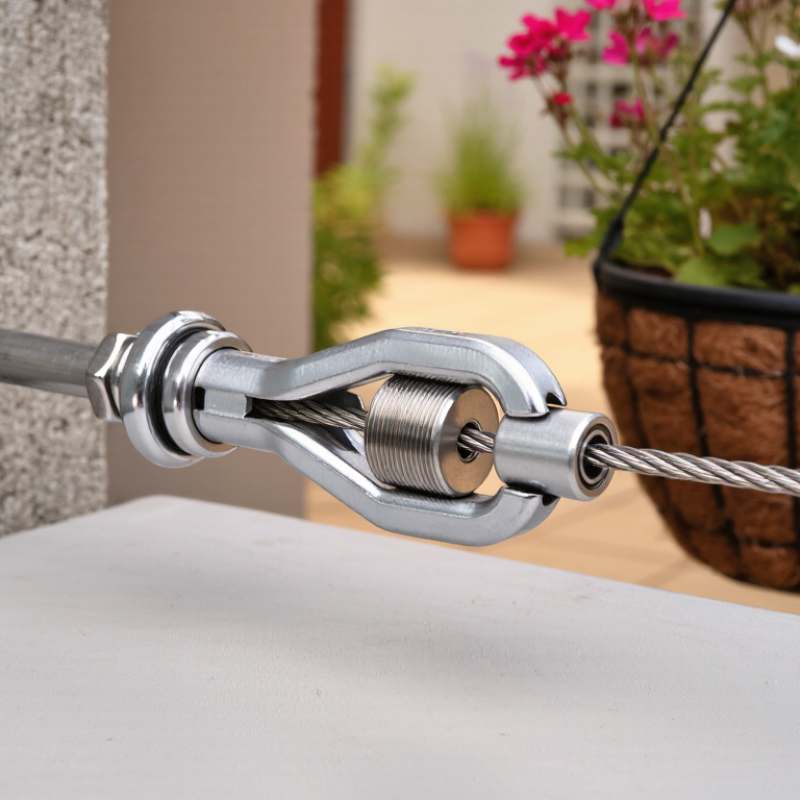
A wire rope tightener adjusts cable tension between a hanging basket and its support point. It helps keep the basket level when stems, wet soil, and water add uneven weight. Small adjustments can reduce sway and stop the rim from tilting toward a window. The tightener does not replace a suitable support or cable. It only helps manage tension.
Choose a model rated for the cable diameter and the basket’s expected load. Check its body, threads, and connection points for corrosion or damage before installation. A tight cable can still fail if the anchor is weak. I have found that checking the basket after watering matters; soil settles, and the balance can change. It is easy to miss that.
Tips: Adjust in small turns, then view the basket from the side. Leave enough clearance so leaves and flowers do not rub against walls. Recheck tension after the first few waterings, and replace frayed cable rather than trying to tighten it smooth.
Key Features to Compare When Choosing a Tightener in 2026
Best Wire Rope Tightener for Flower Baskets in 2026?
Choosing a wire rope tightener requires more than checking its load rating. Compare working load limits, rope diameter compatibility, and adjustment range. A reliable tightener should hold tension without sudden slipping. Look for corrosion-resistant metal, especially when baskets hang outdoors in rain. Smooth edges also matter. Sharp surfaces can damage wire strands during repeated adjustments. From practical testing, a locking mechanism feels safer when it remains firm after several turns. However, no feature is perfect. Some compact designs are easy to install but harder to grip with wet gloves.
Check the tensioning method carefully. A screw-based model offers precise control for balancing uneven flower baskets. A lever system may work faster, but it can release tension too quickly. Examine the eyelets, threads, and connection points for clean finishing. A clear installation guide shows professional attention and reduces setup mistakes. Measure the basket, support cable, and hanging distance before purchasing. I once selected a tightener with excellent strength but limited adjustment travel. It worked, yet balancing the basket became unnecessarily difficult.
Tips: Test the tightener with an empty basket first. Add soil and water gradually, then inspect every connection. Choose a model that can be adjusted without removing the basket. Check for rust, looseness, or flattened wire strands each season. When uncertain, use a qualified installer’s advice. Safety deserves patience.
Common Tightener Types and Their Uses
Threaded turnbuckles are a common choice for flower baskets suspended from two wire-rope ends. Turning the central body shortens the gap and increases tension in small, controlled steps. They work well when a basket needs to hang level beside a porch post or greenhouse beam. Small adjustments matter. Too much tension can strain the wire, fittings, or support point.
Ratchet-style cable tighteners suit installations that need quicker tensioning, such as several baskets along a railing. Their handle pulls the cable incrementally, which can be useful when gloves make fine hand adjustments awkward. Check that the cable sits correctly in the tool before pulling. A sudden slip can tilt a planter or damage nearby leaves. These tools may also tighten faster than expected.
For lighter baskets, compact hand-operated tensioners can be easier to manage and store. Match any tightener to the wire-rope diameter and the load, including wet soil and mature plants. Check the fitting’s rated capacity rather than judging by appearance. Stainless or corrosion-resistant hardware is useful outdoors, but it still needs inspection. Look for frayed strands, loose connections, and rust. It is easy to focus on a straight-looking basket and miss a tired support. Recheck the setup after watering or strong wind, since both can shift the load.
How to Install and Adjust a Tightener for a Flower Basket
Choosing the best wire rope tightener for a flower basket starts with the basket’s weight, location, and exposure to weather. A stainless steel or corrosion-resistant tightener suits damp balconies and outdoor walls. Check the working load limit, not only the breaking strength. Include the basket, soil, water, and plant growth in your estimate.
Begin with a stable anchor point and inspect the wire rope for broken strands or kinks. Pass the rope through the basket’s support ring, then connect both ends to the tightener. Secure each end with properly sized wire rope clamps or approved fittings. Leave a small tail beyond every clamp. It should not slip.
Keep the basket empty during installation. Turn the tightener slowly until the basket hangs level. Add soil and water afterward, then check the angle again. Do not force the threads.
A hand-tight adjustment is often enough. Over-tightening can bend the basket ring, damage the anchor, or strain the rope. I have found that visual alignment can be misleading, especially on windy balconies. Use a ruler to compare the basket’s height on both sides. Recheck the fittings after several days, then inspect them monthly for rust, looseness, and crushed rope. This routine is easy to overlook. That is where problems begin.
Safety Checks and Maintenance for Long-Term Use
Before hanging a flower basket, check the tightener, wire rope, and connecting fittings in good light. Confirm the assembly is rated for the basket’s full weight, including wet soil and trapped rainwater. Look for broken strands, kinks, flattened sections, rust, cracked hooks, and loose fasteners. Small flaws matter. A rough spot that catches a glove may signal damage worth taking seriously.
Check the setup again after strong wind, heavy rain, or accidental impact. Keep the basket stable while inspecting it, and never adjust a loaded tightener. Make sure the rope runs straight and does not rub against a sharp basket edge. A common oversight is checking only the hook; the cable’s hidden contact points can wear too. Keep people clear of the area below during adjustments.
Clean dirt and plant debris from moving parts with a dry cloth. Use lubrication only if the maker’s instructions allow it, since the wrong product can attract grit or affect components. Replace damaged parts with compatible, load-rated pieces rather than trying to straighten or splice a compromised rope. Keep a simple inspection note with dates and any changes. I would not rely on appearance alone; if movement feels rough or the locking action seems uncertain, take the basket down and inspect the assembly more closely.