What Is a Heavy Duty Cable Sock?
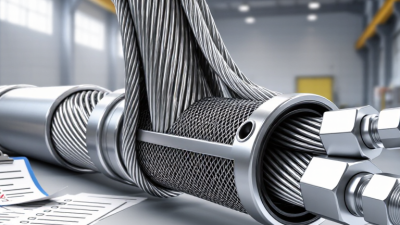
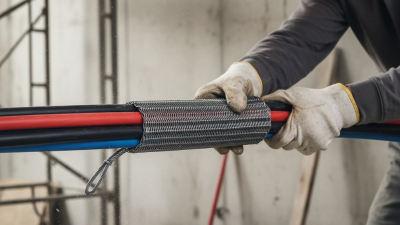
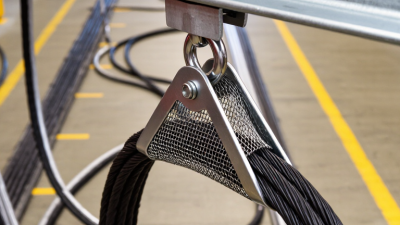
A Heavy Duty Cable Sock is a woven mesh grip designed to hold a cable during pulling, positioning, or support work. Its flexible body slips over the cable, while tension helps the mesh tighten around the outer jacket. Many models include a pulling eye or loop for connection to suitable equipment. The exact design varies, so the name alone does not confirm its capacity or intended use.
This guide explains how cable socks work, where crews commonly use them, and what to check before selecting one. Cable diameter, grip length, jacket condition, and the manufacturer’s rated load all matter. A sock that is too loose may shift; one that is too short may concentrate pressure. It is not magic. Careful inspection still counts. Look for broken strands, damaged eyes, corrosion, or deformation, and follow the product instructions for installation and loading. A practical detail can be easy to miss: a secure grip does not automatically mean the cable itself can withstand the pulling force. The following sections will cover sizing, materials, safe handling, and common selection mistakes, while noting when manufacturer guidance or qualified technical advice is needed.
What Is a Heavy-Duty Cable Sock?
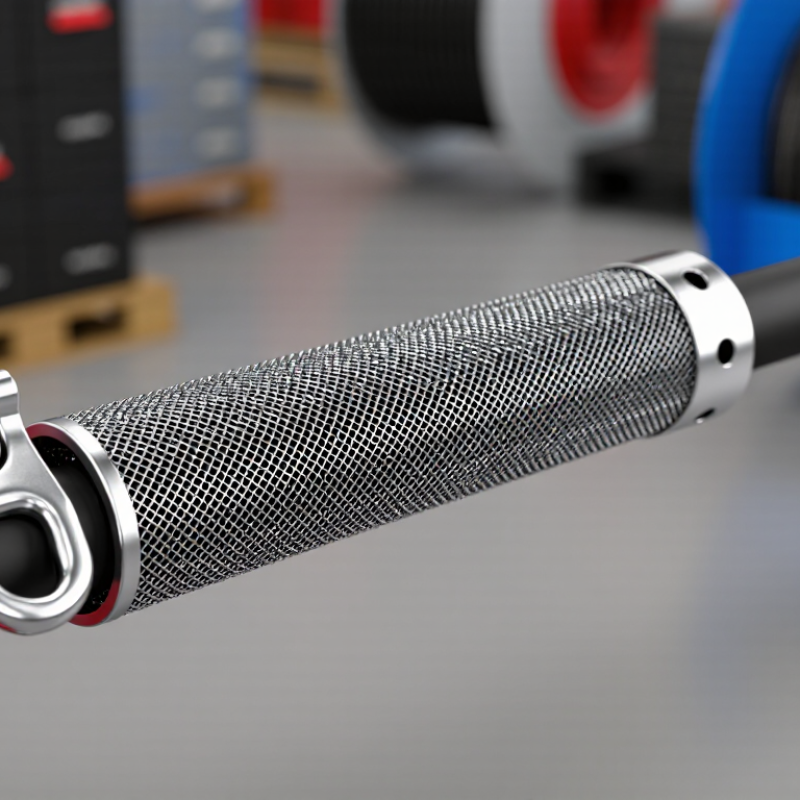
A heavy-duty cable sock is a woven mesh grip that holds a cable during a pull. The mesh tightens around the cable as tension is applied, spreading the load across a section of its outer surface. A pulling eye or loop connects the sock to a rope or pulling line. The exact design varies, so “heavy-duty” alone does not confirm that a grip suits a particular job.
Fit matters. Check the sock’s rated pulling load, cable diameter range, grip length, and connection type before use. The cable should sit inside the mesh without sharp folds or loose sections. For example, a grip that bunches near the cable end may not distribute tension as intended.
That matters.
Inspect the mesh, eye, and cable jacket for wear or damage, and follow the maker’s installation instructions. Keep people clear of a tensioned pulling line, since a failed connection can move suddenly.
A cable sock is useful, but it is not a cure for poor setup. It may not prevent jacket damage if the cable rubs against a rough edge or bends too tightly. I would also avoid assuming that a larger-looking grip is automatically stronger. Match the grip to the cable and the planned pull, and pause if the fit feels uncertain. That extra check can be easy to skip.
How Its Mesh Structure Grips and Supports a Cable
A heavy duty cable sock is a woven sleeve fitted around a cable to help hold and guide it during a pull. Its open mesh is more than a cover. As tension reaches the pulling eye, the weave tightens around the cable. The strands share the load across a longer section instead of pressing at one small point. That matters.
The mesh can flex around modest changes in cable diameter, while its crossings create many contact points along the jacket. This distributed grip helps reduce slipping when the sock is correctly sized and installed. It also supports the cable as it moves through a route, though it cannot prevent damage caused by sharp edges, excessive bending, or an overloaded pull. The jacket should sit smoothly inside the sleeve, without twists or trapped slack. A poor fit can leave gaps or concentrate pressure.
Details vary by construction and intended load. Check the maker’s rated capacity and cable-size range, then inspect the mesh, eye, and cable jacket before use. Frayed strands or a distorted eye deserve attention. A cable sock is not a substitute for sound pulling practice. Even a strong weave can grip unevenly if the cable is greasy, badly positioned, or poorly matched to the sleeve.
Which Materials and Features Make It Heavy-Duty
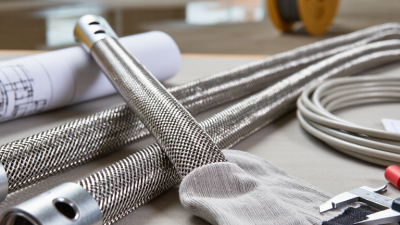
A heavy-duty cable sock earns its name through material strength, braid density, and dependable load transfer. Common constructions use galvanized or stainless-steel wire, woven into a close mesh that grips the cable jacket across a broad area. Stainless steel resists corrosion in damp or coastal work; galvanized wire can suit many general industrial settings. The eye or pulling loop also matters. Reinforced, smoothly finished eyes reduce local stress where the pulling connection bears against the sock. Small detail, real consequence.
Check fit and rated capacity, not appearance alone. A loose sock can slip; one that is too tight may damage the jacket. IEC 60228:2023 covers conductor nominal cross-sectional areas from 0.5 to 2,500 mm², but conductor size does not determine the sock’s fit: measure the cable’s outside diameter. ISO 2307:2019 describes tests for rope breaking force and elongation. It is a useful reference for understanding strength testing, not a cable-sock rating standard. Ask for a stated working-load limit and test basis for the actual sock. There is no universal safe load. And, honestly, a thick-looking braid can still be the wrong choice if its eye, fit, or documented capacity is inadequate.
What Makes a Cable Sock Heavy-Duty?
Typical tensile-strength ranges for materials used in load-bearing applications. Higher material strength can support a robust mesh, but a finished cable sock’s safe working load depends on its construction, termination, and manufacturer rating.
Ranges are approximate material-level values in megapascals (MPa); actual values vary by grade and product. They are not cable-sock load ratings.
What Types Are Available and Where They Are Used
A heavy-duty cable sock is a woven metal-mesh grip that holds a cable during pulling or support. Its mesh tightens around the cable under tension, spreading the load across a longer section than a clamp might. The right type depends on cable diameter, surface, route, and pulling force.
Closed-end socks cover the cable tip and suit straightforward pulls through conduit or ducts. Open-ended grips allow a cable to pass through, which helps when positioning a grip along an accessible section. Split, lace-up socks wrap around installed cable without removing its end connection. Some models have one pulling eye; others use two eyes or a flexible eye for different rigging arrangements. Fit matters. A grip that is too loose can slip, while an undersized one may damage the jacket.
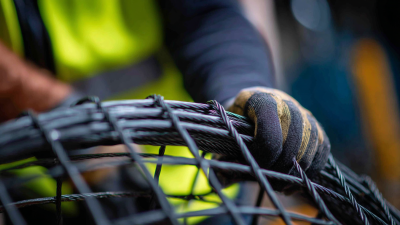
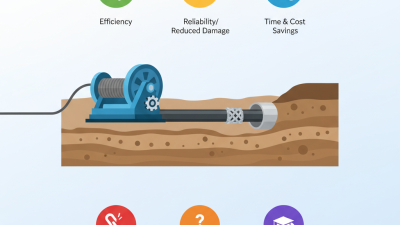
On building sites, crews use cable socks to draw power or communications cables through long conduit runs. Utility teams may use them when replacing heavy cable in underground ducts. In plants, a grip can support a cable temporarily while workers route it through trays or around equipment. Inspect the mesh, eye, and cable jacket before each pull, and check that the rated capacity matches the setup. A strong sock cannot correct a poor alignment. In practice, choosing the right size can take more care than expected.