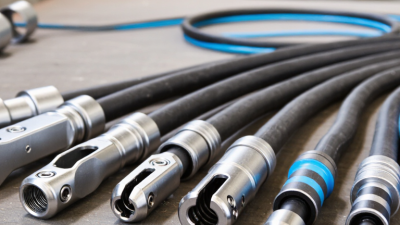
Choosing a Wire Rope Cable Grip Sleeve in 2026 starts with the rope itself. Measure its diameter, inspect its construction, and confirm the sleeve is designed for that specific cable type. A sleeve that looks right on a workbench may still fit poorly under load. Small details matter: strand pattern, grip length, material, and the termination method can all affect performance.
A verified quotation from a named Wire Rope Cable Grip Sleeve specialist was not supplied, so I won’t invent one or attach an unverified claim to an expert. That matters. Product selection should rest on traceable specifications and hands-on inspection, not a quotation that merely sounds authoritative. Look for clear manufacturer guidance on compatible rope sizes, installation, inspection, and stated working limits. If those details are missing, pause and ask for them.
The right choice is rarely the most impressive-looking sleeve. It is the one that fits the cable, suits the application, and can be installed and checked correctly. Check the fit. Check the finish. Check the documentation. Even then, selection is not the whole job: installation quality and regular inspection matter too. This guide will explain what to compare, which questions to ask suppliers, and where a quick visual judgment can mislead. One honest caveat: product labels do not replace application-specific engineering advice.
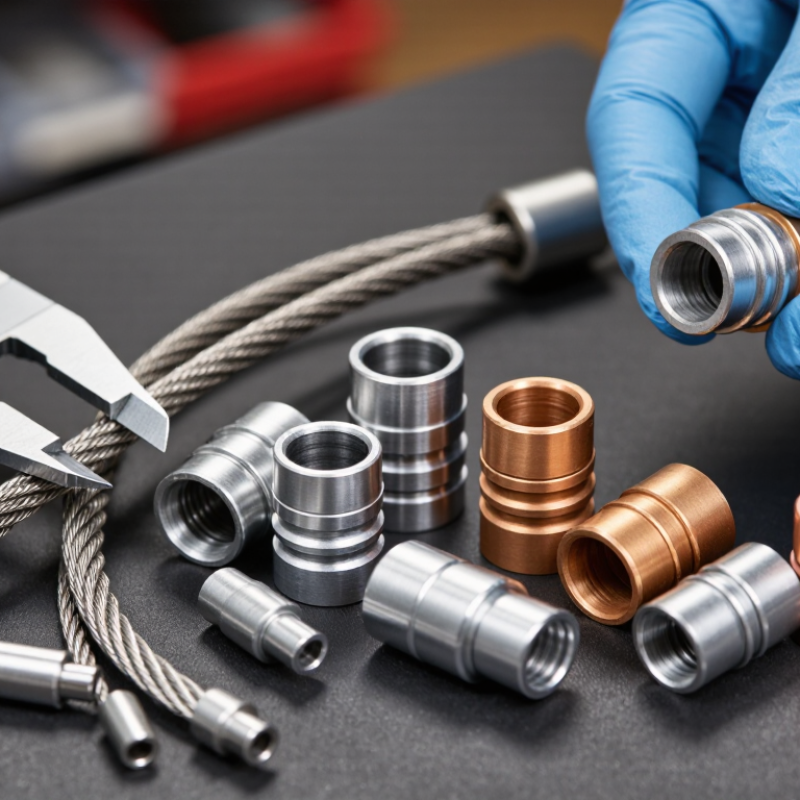
Choosing a wire rope cable grip sleeve starts with the rope itself. Measure its actual diameter with calipers, not a worn label, and check its construction, core, and material. A 6x19 rope may behave differently from a compacted or rotation-resistant rope, even at the same diameter. Confirm that the sleeve is designed for that exact rope type and installation method. Close is not exact.
Then assess the load. Record the working load, peak forces, and how the load is applied. Sudden starts, swinging loads, and repeated bending can increase stress beyond a simple static estimate. The sleeve’s rated capacity must suit the complete assembly, including the rope and termination. Do not treat a sleeve rating as the capacity of the finished connection. Check the supplier’s technical data, and have a qualified professional verify the design when failure could cause injury.
Operating conditions matter, too. Salt spray, moisture, grit, heat, and chemicals can affect rope and sleeve materials differently. Consider whether the connection will flex, rub against an edge, or remain exposed outdoors. Inspect the finished assembly for correct seating, deformation, corrosion, and broken wires. I would not assume a clean-looking sleeve is sound; hidden wear can be easy to miss. Leave room for doubt, and replace parts when their condition or compatibility cannot be confirmed.
How to Choose a Wire Rope Cable Grip Sleeve in 2026
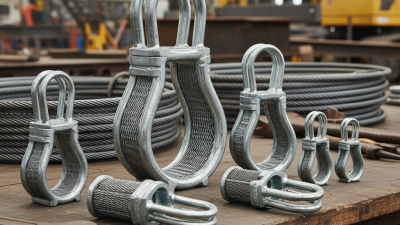
A sleeve’s shape and installation method should match the job. Swage sleeves are compressed around the rope with a suitable tool and die. Hand-formed sleeves may suit specific grip designs, but they are not interchangeable with swage fittings. Check the sleeve’s rated use and installation instructions before selecting one. A neat-looking fit is not proof of a secure termination.
Material matters. Aluminum sleeves are lightweight, while stainless steel can resist corrosion in wet settings. Galvanized steel may suit general outdoor use, but damaged coatings can expose the metal. Compare the sleeve material with the rope material and surrounding environment to reduce corrosion risks. Then verify rope diameter, construction, and coating. A sleeve made for one diameter or strand pattern may not seat correctly on another. Small differences matter.
Tips: Measure the bare rope where the sleeve will sit. Confirm compatibility with the rope maker’s specifications, and use the matching die when swaging. Inspect for cracks, distortion, or slippage after installation. If the fit feels uncertain, pause and recheck; guessing is not a test.
Compare common sleeve materials by approximate density. Density is a material property, not a measure of sleeve strength or cable compatibility.
Aluminum sleeves are lightweight; copper and stainless steel sleeves are denser. Sleeve type, material, and size must suit the wire rope’s diameter and construction, as well as the intended termination method. Use sleeves and installation tooling specified for the cable, and follow the manufacturer’s instructions. Material densities are approximate and vary by alloy.
How to Choose a Wire Rope Cable Grip Sleeve in 2026
Verify dimensions before comparing prices. Measure the rope diameter with calipers, then confirm the sleeve’s compatible range and finished eye dimensions. A sleeve that looks close may still crimp unevenly. Check the specified tooling and installation method, too. Do not substitute a hammer or improvised press for approved equipment.
Check the working load limit for the complete assembly, not just the sleeve. The rope construction, termination, and installation all affect capacity. Ask for traceable test documentation and clear marking. ASME B30.9 provides requirements for sling design, use, and inspection; confirm which edition and provisions apply to your assembly. A catalog figure alone is not enough.
Inspect the finished connection for cracks, distortion, slippage, and sharp edges that could damage nearby equipment. OSHA’s 29 CFR 1910.184 gives wire-rope sling removal criteria, including ten broken wires in one rope lay, or five in one strand. These are sling criteria, not automatic acceptance limits for every grip sleeve. Follow the sleeve manufacturer’s inspection instructions and applicable standards. A neat fit is not proof. I would still pause if the documentation does not identify the rope size, rated capacity, and inspection basis.
How to Choose a Wire Rope Cable Grip Sleeve in 2026
Assess the sleeve as part of the full rope assembly, not as a standalone fitting. Confirm the rope diameter, construction, and material match the sleeve’s documented compatibility range. Then consider how it will be installed. Is there enough clearance for the specified tool and a clean, straight rope end? Some fittings require a particular compression method; others use a different securing process. Follow the supplier’s instructions, and avoid improvising with tools that can crush or nick the wire. Small defects matter.
Plan inspection before installation. A sleeve hidden behind a guard or buried in a tight fitting may be difficult to check later. Look for clear access to the sleeve and rope exit points. During checks, watch for movement, cracks, corrosion, flattened areas, or broken wires near the fitting. Record what you see, especially if the assembly faces vibration, salt air, or repeated loading. Check it again after unusual shock or overload. Keep it clean and dry when practical, and replace damaged parts rather than trying to reshape them. Honestly, inspection schedules are easy to postpone; a simple written interval makes that less likely. The right interval depends on use and exposure, so confirm it with qualified guidance for the application.
For a 2026 compatibility check, start with the wire rope’s measured diameter, not its label. A caliper gives a clearer reading than a quick visual guess. Then confirm the rope construction, such as strand count and core type, against the sleeve’s stated compatibility. A sleeve that fits loosely may slip; one forced onto the rope can damage wires.
Check the sleeve material against the rope material and working environment. Salt spray, moisture, heat, and abrasion can change what is suitable. Verify the connection method and the rated load for the complete assembly, including fittings and the rope itself. Do not treat a sleeve’s appearance or size as proof of capacity. Small details matter.
Before installation, compare the part specifications with the rope supplier’s guidance, and use the specified tooling and procedure. Afterward, look for cracked metal, uneven compression, exposed wire ends, or movement at the connection. A clean-looking finish is reassuring, but it is not a load test. I would also record the sleeve size and rope details; it is easy to forget which combination was checked. If any specification is missing or unclear, pause and confirm compatibility rather than guessing.