Choosing a Flower Basket Turnbuckle in 2026 calls for more than matching its finish to a basket. The right fitting depends on how it will be used, what it must support, and where it will sit. A small patio planter and a suspended display in a busy entrance have different needs. Details matter.
Start with the product’s stated working load, dimensions, and adjustment range. Check that the thread direction and end fittings match your connection points. A tape measure can help confirm the available gap, while a close look at the hooks or eyes can reveal whether they suit your existing hardware. Do not judge capacity by appearance alone. A polished metal body may look sturdy, but its finish does not confirm its rating. Ask the supplier for clear specifications when they are missing. I may be cautious here, but guessing is not a useful shortcut.
Material matters, too. Outdoor exposure, moisture, and salty air can affect some metals and finishes over time. Compare the manufacturer’s care guidance with the conditions at your site. Consider whether the turnbuckle can be adjusted after installation and whether it can be inspected without moving the basket. Not every product description makes this easy to tell. That is worth noticing.
This guide explains how to compare common features and spot questions that deserve a closer look. It cannot replace product instructions or a qualified assessment for a demanding installation. Choose on evidence, not just a neat product photo.
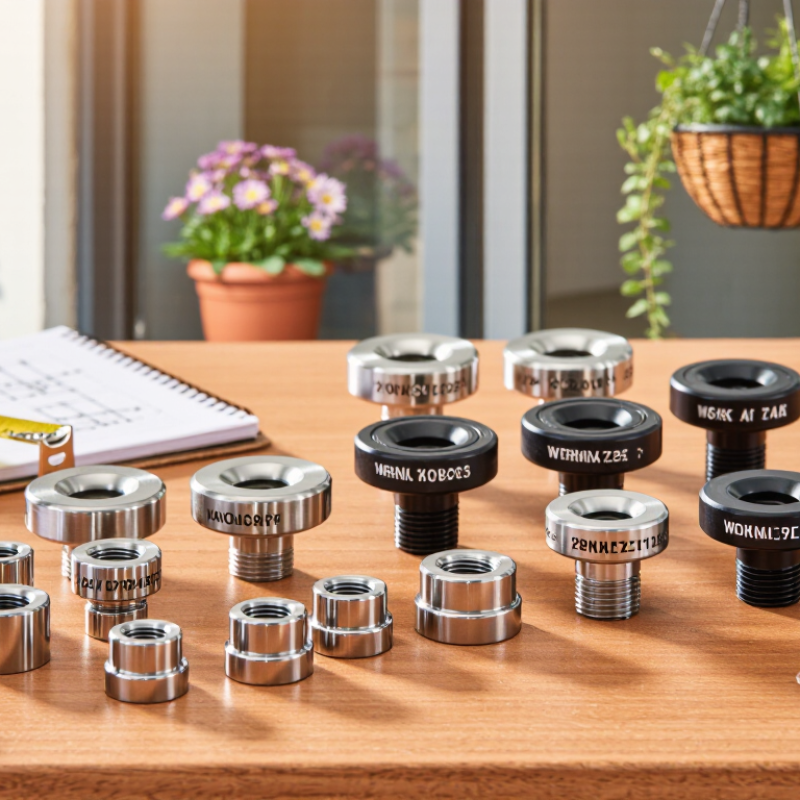
Before choosing a flower basket turnbuckle, define exactly what it will support. A hanging basket on a sheltered porch has different demands from one exposed to gusts or frequent watering. Include the basket, mature plants, wet growing medium, retained water, and any attached hardware in your load estimate. Wet soil can weigh much more than it looks. Do not size the fitting from the empty basket alone.
Estimate the total load, then select a turnbuckle with a clearly stated working load limit above that figure. Account for movement, such as wind rocking the basket or someone adjusting its height. A static estimate may miss these repeated pulls. Check that the hooks, wire, ceiling anchor, and supporting structure are also rated for the load; the turnbuckle is only one part of the system. Never assume a decorative fitting is suitable for overhead support without verified capacity information.
Match the material to the location. Moist air and regular splashing can encourage corrosion, so inspect the threads and end fittings periodically. Stainless steel may suit exposed areas, while protected indoor locations may allow other finishes. Check that the body turns smoothly and that both ends engage securely. Measurements can be awkward around foliage, and estimates are imperfect. Recheck the setup after watering or a strong gust.
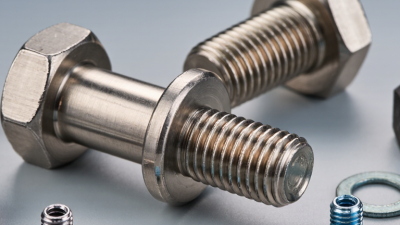
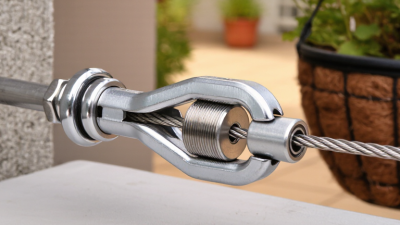
For a flower basket, choose a turnbuckle that suits both the load and the way the basket is supported. An open-body model is easy to inspect and adjust, while a closed-body design helps keep dirt and plant debris away from the threads. Check the manufacturer’s working-load rating, and allow for wet soil, a full water reservoir, and wind. Dry-pot weight alone can be misleading.
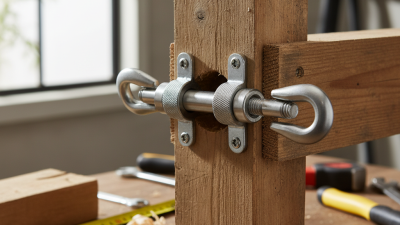
End fittings matter just as much. Eye-and-eye fittings connect neatly to closed rings or shackles; jaw ends can attach around fixed pins. Hooks are quick to fit, but may come loose if the support shifts, so they are not ideal for every suspended basket. Match the fitting to the actual anchor, rather than forcing a connector into place. Small details matter.
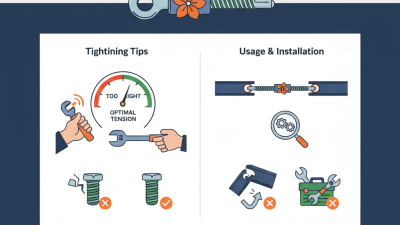
Before installation, confirm that both threaded ends engage properly and remain within the maker’s specified adjustment range. Keep the turnbuckle aligned with the support wire, not twisted sideways. After watering, check the assembly again; baskets can settle as their contents get heavier. It is easy to over-tighten while trying to stop a little sway. A modest amount of movement may be safer than putting unnecessary stress on the fittings.
A flower basket turnbuckle needs to handle outdoor moisture, changing temperatures, and the weight of a planted basket. Stainless steel resists corrosion well in damp or coastal settings, while galvanized steel can be a practical choice for many gardens. Check the product’s rated working load, not just its appearance. Soil and water add weight. Small details matter.
The finish should suit both the climate and nearby hardware. A smooth, corrosion-resistant surface is easier to wipe clean, but even durable finishes can wear where parts rub together. Look for rough patches, flaking, or rust before installation. A decorative finish is not a substitute for a suitable load rating. It is easy to overlook that distinction.
Measure the space between the attachment points, then compare it with the turnbuckle’s closed and extended lengths. Confirm that its end fittings match the hooks or eye bolts already installed. A unit that is too short may not provide enough adjustment; one that is too long can leave the basket hanging lower than expected. Leave room to tighten it without reaching the end of its threads. Fit it carefully. After hanging the basket, check that the turnbuckle stays aligned and recheck it after heavy rain or strong wind. The right size is not always obvious until everything is in place.
| Selection Factor | Option | Typical Fit | What to Check |
|---|---|---|---|
| Material | Stainless steel 304 | Outdoor baskets in ordinary garden or patio conditions. | Check that the body and end fittings are compatible stainless steel components. Rinse off accumulated dirt and salts periodically. |
| Material | Stainless steel 316 | Coastal locations or places exposed to frequent salt spray. | Offers better resistance to chloride-related corrosion than 304, but still requires inspection and cleaning. |
| Material | Galvanized carbon steel | General outdoor use where a protective coating is suitable. | Inspect for damaged or worn coating and corrosion, especially around threads and contact points. |
| Finish | Hot-dip galvanized | Exposed outdoor installations where a durable zinc coating is preferred. | Confirm the finish is suitable for the environment and that threads remain clean and move freely. |
| Finish | Electro-galvanized or zinc-plated | Covered patios or less corrosive settings. | Typically provides less corrosion protection than hot-dip galvanizing; avoid assuming it is suitable for coastal exposure. |
| End fitting | Eye-and-eye | Connections made with compatible closed links, shackles, or fixed attachment points. | Use connectors that fit properly. Do not side-load the turnbuckle or let fittings bear against sharp edges. |
| End fitting | Hook-and-hook | Removable connections where the hooks can be fully seated and secured. | Hooks may disengage if the load shifts or becomes slack. Do not use an open hook where accidental release is possible. |
| Nominal thread size | 1/4 in (about 6.4 mm) | A possible starting point for a small, light basket installation. | Thread diameter alone does not establish capacity. Select only from a product with a stated working load limit suitable for the complete suspended load. |
| Nominal thread size | 5/16 in (about 7.9 mm) | A possible option for a moderate basket installation, if the product rating and attachment points are appropriate. | Confirm thread type, end-fitting size, adjustment range, and the manufacturer’s working load limit. |
| Nominal thread size | 3/8 in (about 9.5 mm) | A possible option for a larger installation when supported by the product rating and structure. | A larger thread does not automatically make an assembly safe; the weakest component determines the system capacity. |
| Adjustment range | Body length and take-up | Any installation that needs height or tension adjustment. | Compare the listed closed and extended lengths with the required setup. Keep adequate thread engagement and do not overextend the body. |
| Load and safety | Manufacturer-rated assembly | All suspended flower baskets, particularly those above people or property. | Include the basket, wet growing medium, retained water, and foreseeable movement. The support structure and every connector must also be suitable; inspect regularly and replace damaged parts. |
A flower basket turnbuckle should match the actual load, not just look sturdy. Check its working load limit on the product marking or technical data sheet, then compare it with the load expected in service. ASME B30.26-2020 covers turnbuckles as rigging hardware and addresses identification and inspection. Its guidance is a useful baseline, but it does not make every fitting interchangeable. The weakest component sets the limit.
Compatibility matters just as much. Match the end fittings—such as eye, hook, or jaw—to the connected hardware, and confirm thread diameter, pitch, and take-up range. A mismatch can leave too little thread engaged or put a side load on the body. Check material and finish for outdoor exposure, too; rain and fertilizer residue can accelerate corrosion. ASTM F1145-20 provides a technical specification for turnbuckles, including material and performance requirements. Still, a standard alone cannot confirm that a particular assembly suits your arrangement.
Tips: Record the load, fitting type, thread size, and adjustment range before ordering. Inspect threads and fittings for wear or distortion before use. Allow for uneven loading and movement; a tidy-looking setup can still be poorly matched. If the load path is unclear, ask a qualified rigging professional to review it.
Before buying, check the basket’s fully loaded weight, including wet soil and water. Choose a turnbuckle with a clearly stated working load limit (WLL) that suits the fitting and its intended use. A decorative fitting may not be rated to support a suspended load. Look for corrosion, bent hooks, cracked welds, damaged threads, or a body that will not turn smoothly. Replace questionable hardware; a fresh coat of paint cannot repair a damaged thread.
The U.S. Bureau of Labor Statistics recorded 885 fatal workplace falls, slips, and trips in 2023. That figure is not specific to flower baskets, but it underscores why secure overhead installations deserve care.
Install the turnbuckle between compatible attachment points, keeping the load aligned with its axis. Tighten gradually, then secure any locking nuts or safety clips provided. Do not force a stiff body with a long tool, and never stand beneath a basket while adjusting it. Check that hooks cannot slip free as the basket sways.
I would also recheck after the first heavy rain; people often underestimate how much saturated soil adds.
Tips: Inspect before each season and after strong wind. Wipe away moisture, clear grit from the threads, and look for rust or loosening. Replace the fitting if you cannot verify its rating or condition. A quick glance helps, but it can miss damage inside the threads.